Tag: Visual Effects

  • Behind the Scenes with Toolbox: Changing the Face of Pune 52

    Pune 52, Toolbox, Visual effects

    DNA’s verdict on Nikhil Mahajan’s debut into the world of feature films, Pune 52 was” Watch to see a Marathi Noir film, but remember this ain’t massy fare!” Many did watch and many spoke about it but we speak about it from our peak into all the behind the scenes action! We’ll get into it but let’s talk about the movie a little first.

    The trailer certainly did the job of catching the public eye and making it stand out from what we are used to seeing the Marathi movie industry. As the very first neo noir ever made in Marathi, the movie revolves around the life of a private detective who makes a living by spying on cheating spouses, his wife, and a client who hires him to catch his cheating husband. The movie is set with the touch of a thriller but it is also quite connected with the drama angle. Set in the year 1992 in Pune’s Karve Nagar neighbourhood in a middle class home that has definitely seen better days, the movie shows the struggles of a middle class detective with a wife who wants more from him and his yearning to do more for a sexy and suave client who is looking to him for help. This movie marks a bold move for the Marathi movie industry entering a whole new genre.


    What did we do for Pune 52

    Setting the environment of the period

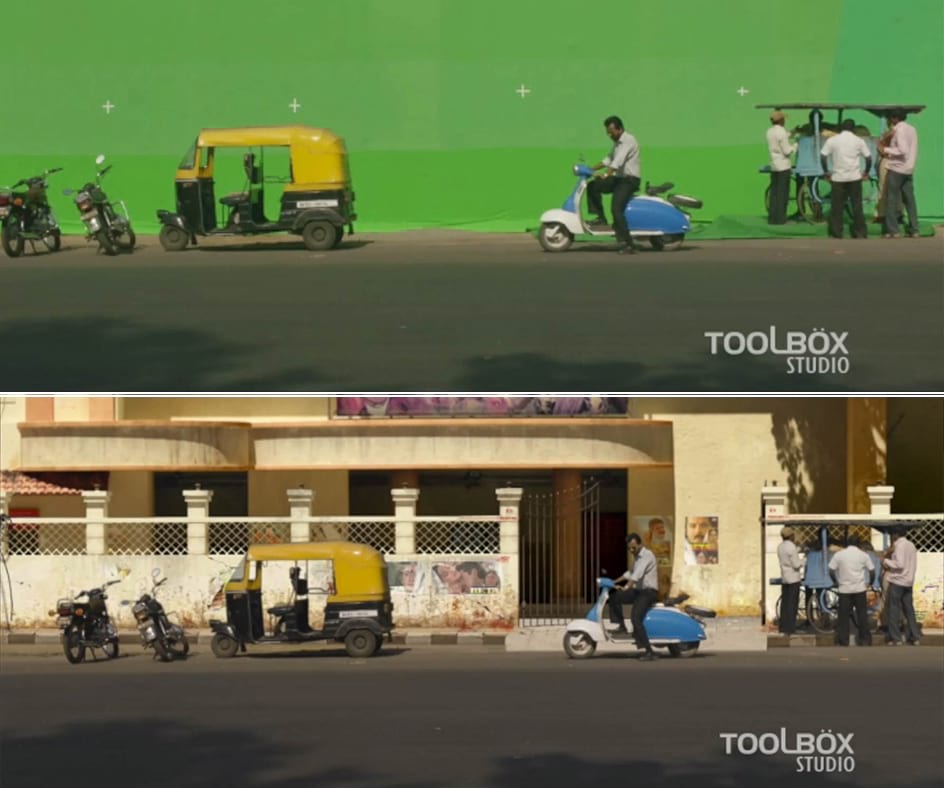
    With the movie focused in 1992, a year after India was linked to the global capital, we needed to recreate some of the landmarks of the time.

    visual effects, Toolbox


    We recreated the Deccan Theatre that was a marked landmark of the time but is no longer a part of the city’s layout.


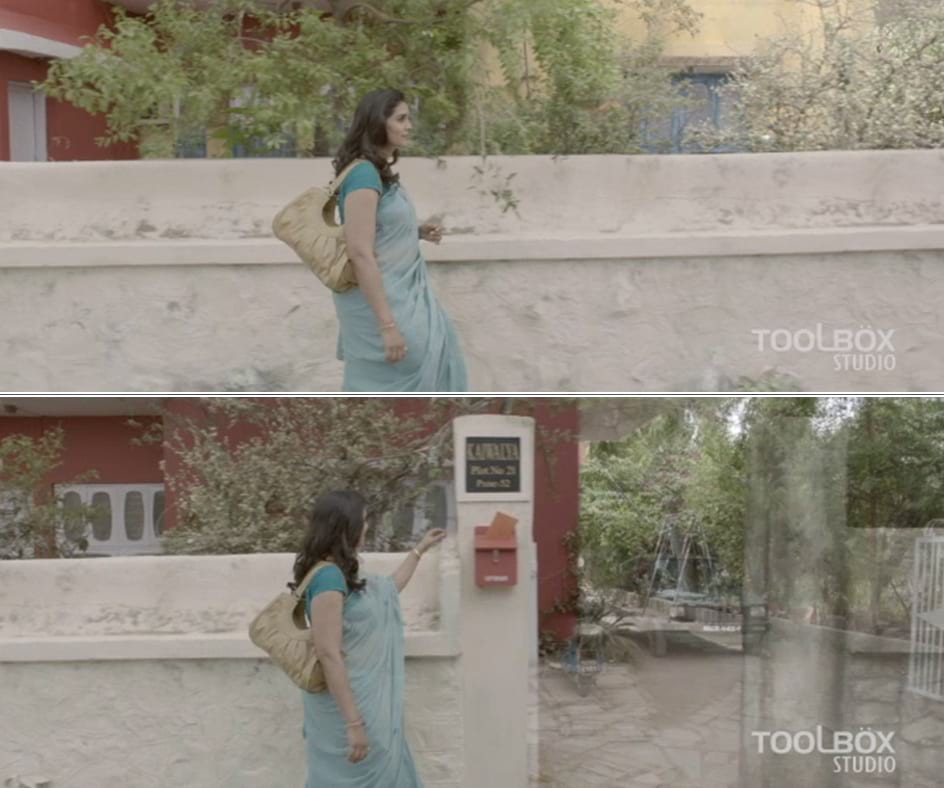
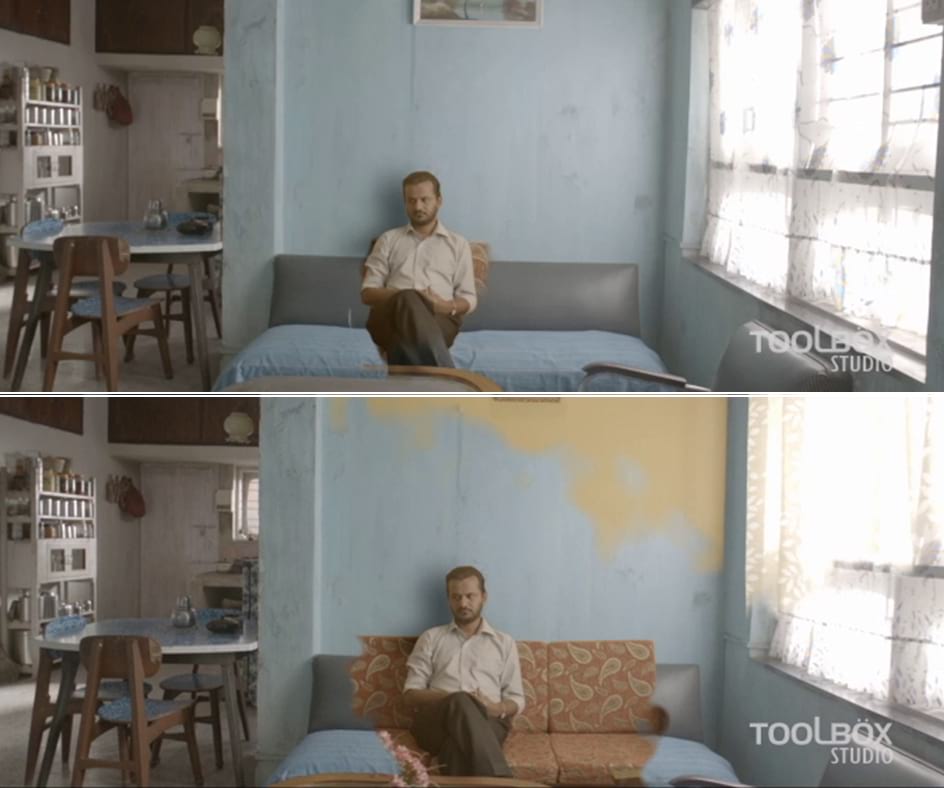
    Transformation of the home

    A large portion of film depends on the tone that home inhabited by the couple.

    visual effects, Toolbox

    visual effects, alt=

    And that is what it looked like in the end!


    We were extremely proud to be a part of a game changer in the Marathi movie industry. Tell what you think of the visual effects in the movie!

  • ILM, Kathleen Kennedy, and Star Wars Episode VII

    star wars, episode 7, visual effects


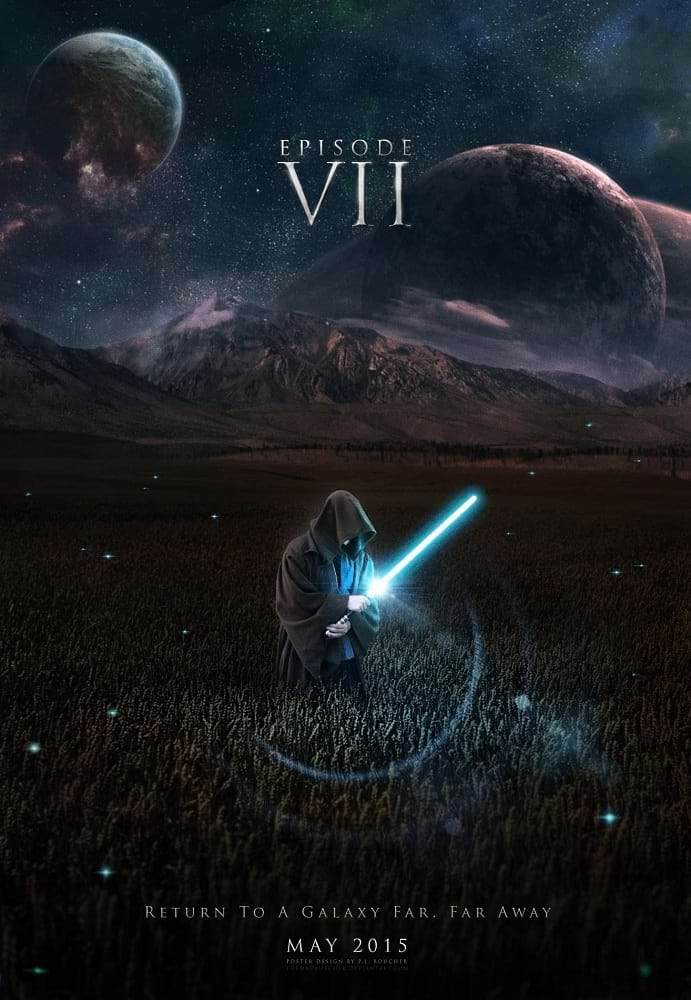
    When the announcement of Disney taking over Lucasfilms and their in-house visual effects team ILM came, it blew socks off the internet. Nobody saw that coming. But then when the announcement of Kathleen Kennedy, renowned for her work on the Star Wars series, as the new president came, there was no surprise at all. And that was followed by the announcement of Star Wars Episode VII, crafted with the expertise of ILM Star Wars visual effects, being released in the month of May 2015 which had every Star Wars fan blessing them to heaven and back.

    Step one was to woo director J.J. Abrams as the hand behind the making of this movie, and since then, many changes have been implemented on how these movies were approached after the original trilogy. Things have just been on the roll since then. One of the biggest complaints that the old-school Star Wars series’ fans had with the visual effects in prequels was that Lucas overused CGI and animation. The puppets and droids were replaced by computer graphics. Even the beloved Yoda puppet was retired. A lot of the action was shot in front of a green screen. But it looks like things are looking up for the old-school fans now. Kennedy’s Star Wars team has brought in a more combined style of practical and CG, bringing more authenticity to this episode. This is what she went on to tell the crowds at the Star Wars celebration Europe, referencing ILM’s work on Star Wars and its contribution to visual effects innovation.

    The conversation we’re having all the time now about ‘Episode VII’ is how much CGI.  We’re looking at what the early Star Wars films did; they used real locations with special effects. So [for ‘Episode VII’] we’re going to find some very cool locations, we’re going to end up using every single tool in the toolbox.

    She also proceeded to say that,

    I was amazed yesterday and looking at what the fans are doing,” referring to some of the presentations and displays of Celebration Europe. “Using model makers, using real droids, taking advantage of the artwork that you can touch and feel, we want to do that in combination with CG effects.

    She also gave the crowds another bit of news to celebrate upon by confirming that Williams would composing the score. There was still more chew upon when she said that they were looking to create some really cool new characters.

    Brennon spoke out about how the practical approach will only make things easier for the visual effects team saying that,

    What it does for us in visual effects is it also gives us something to build upon. It gives us something to ground our visual effects with. Not only in the shots that have practical sets that we’re expanding on, or putting a creature into, it also gives us a really strong aesthetic that we know to follow in shots that are all-CG. 

    If that wasn’t all too much of a surprise, here is another little happening that will blow your mind. Not only has Kathleen got people embracing the new style for the movie, she has also got many to admit that they need to be looking at the privacy details for this movie in a different light. Kathleen said that with a franchise as big and popular as the Star Wars series and with the internet being what it is, it is absolutely impossible to keep the happenings of this movie a secret. She added that ILM Star Wars innovations have also played a role in shaping the visuals for this project, making it even harder to contain the excitement. That is why, under Kennedy’s Star Wars leadership, they are going to be giving the crowds a peak at what is happening every once in a while!

    That is it for today on the visual effects of Star Wars Episode VII. But stay in touch, you will be hearing more from us again and soon!

  • Behind the Scenes with Toolbox: The Making of ‘Baji

    Baji marks the return of Shreyas Talpade in the Marathi film industry after 7 years. Presented by DAR motion pictures and directed by Nikhil Mahajan, the movie is set around the story of a legendry superhero vigilante who fought against the oppression of poor and is remembered till date for his bow, sword, and white stallion. Playing the lead opposite Shreyas Talpade is Amruta Kanvilkar and the antagonist is brought to life by Jitendra Joshi.

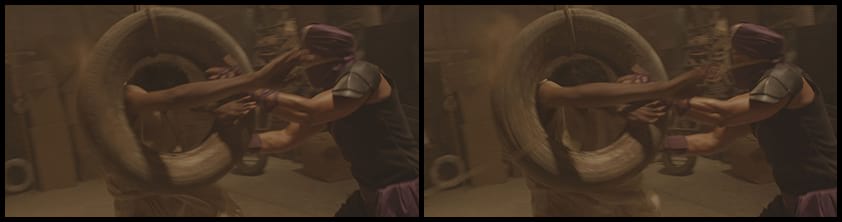
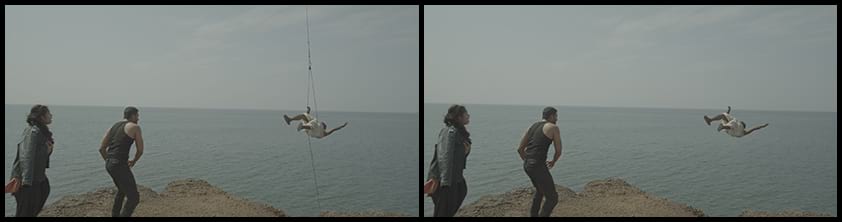
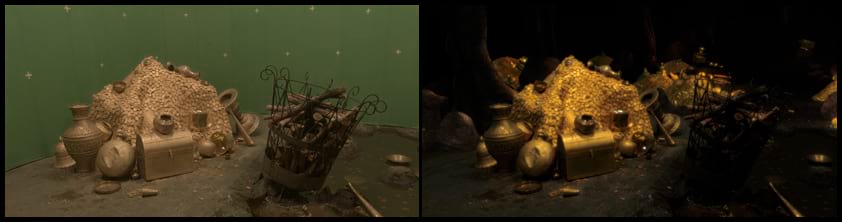
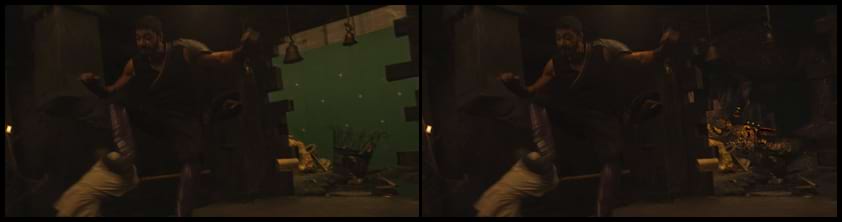
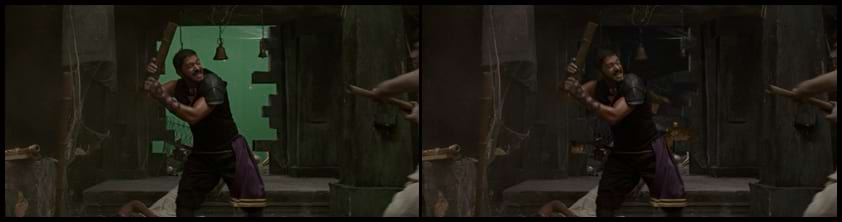
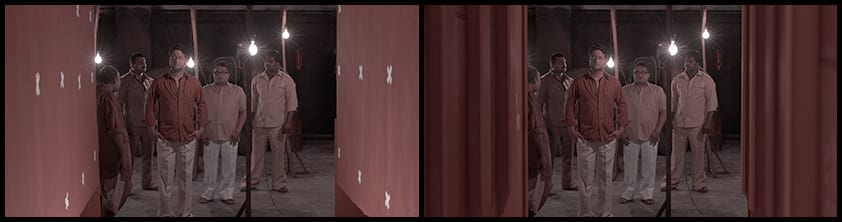
    Baji is the first movie in the history of Marathi of the movie industry to have used the support of a visual effects studio in India to create more than 250 shots in the movie including the title sequence that was built solely by the use of motion graphics. The scope of work for visual effects that included masking of the wire work in the action sequences, creation of CG environments and matte painting insertions was so vast, that it demanded our focus from the very beginning with a supervisor constantly present at the shooting site.

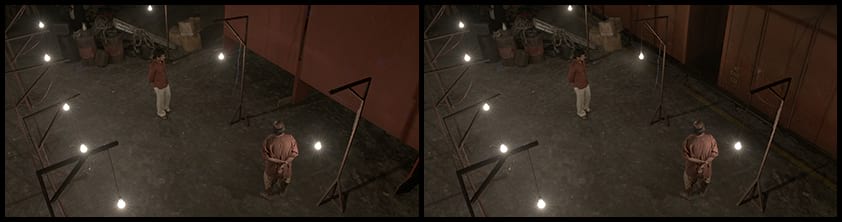
    This blog contains an entire series of before and after images that will take you through some of the contribution that we have made for this marathi movie Baji that we are proud off!

    Action sequences

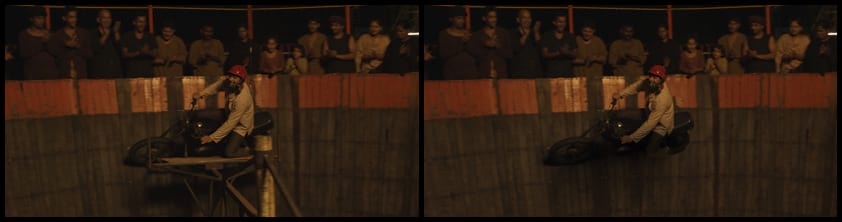
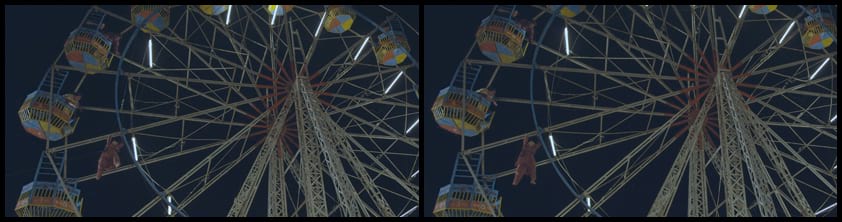
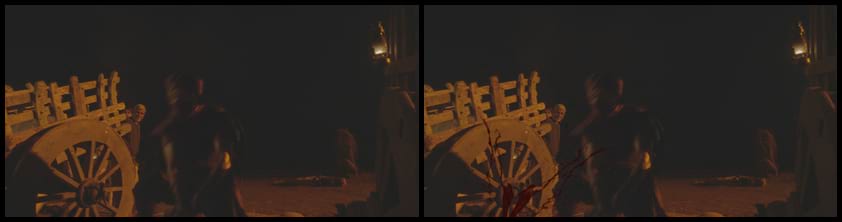
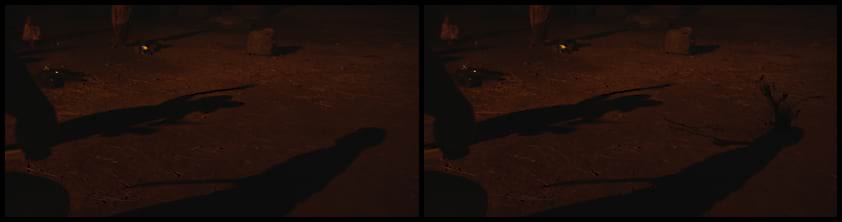
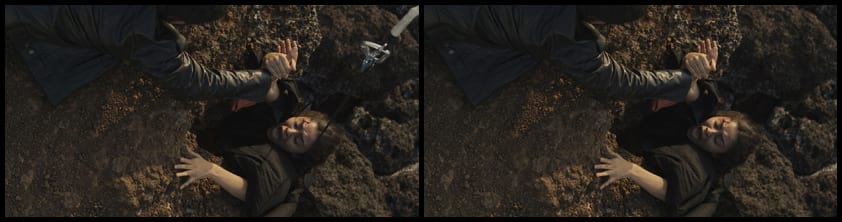
    The nature of the story required for the presence of a number of action sequences where Shreyas as a superhero is pulling of some rather courageous stunts. This required us to mask some of the equipment used along with adding gore wherever needed.

    stunts, wirework, visual effects, Baji stunts, wirework, visual effects, Baji stunts, wirework, visual effects, Baji stunts, wirework, visual effects, Baji stunts, wirework, visual effects, Baji stunts, wirework, visual effects, Baji stunts, wirework, visual effects, Baji stunts, wirework, visual effects, Baji

    CG environment

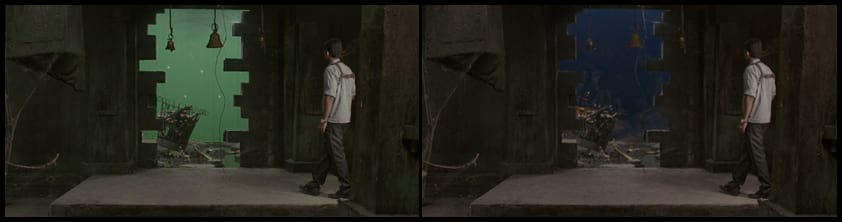
    Certain portions of the movie, needed the generation of complete CG environments. Every shot involving the cave, was shot over a green screen and the cave along with the treasure was later added to it as a CG generated environment.

    CG enivronment, Baji, visual effects CG enivronment, Baji, visual effects CG enivronment, Baji, visual effects CG enivronment, Baji, visual effects CG enivronment, Baji, visual effects

    Another scene that required the support of CG environments is the train yard scene, where the entire train itself is nothing but a CG environment!

    CG enivronment, train, Baji, visual effects CG enivronment, train, Baji, visual effects

    Matte Painting

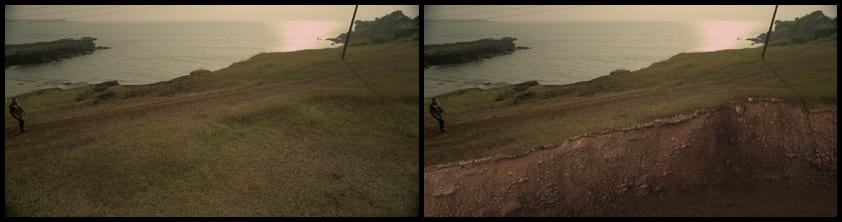
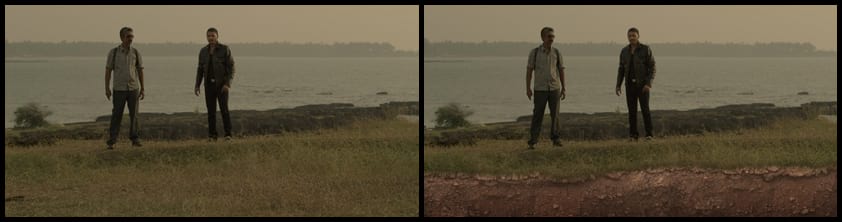
    Last but not the least, something we are rather proud of! The scene over the digging for treasure! They didn’t actually dig a hole that big, the digging site was later added to scene as a matte painting.

    Baji, matte painting, visual effects

    Baji, matte painting, visual effects

    Looks extremely real doesn’t it!


    Do let us know what you think!

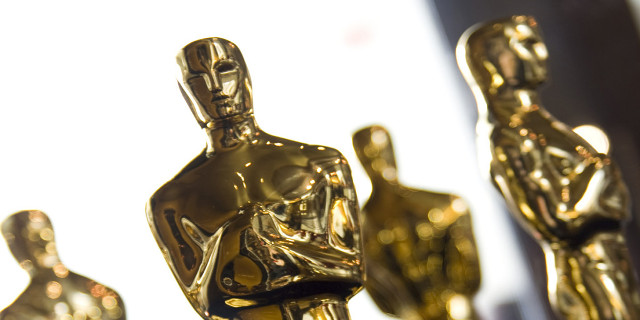
  • Oscar nominees announced! And the VFX nominees are……

    Oscar nominees announced! And the VFX nominees are……

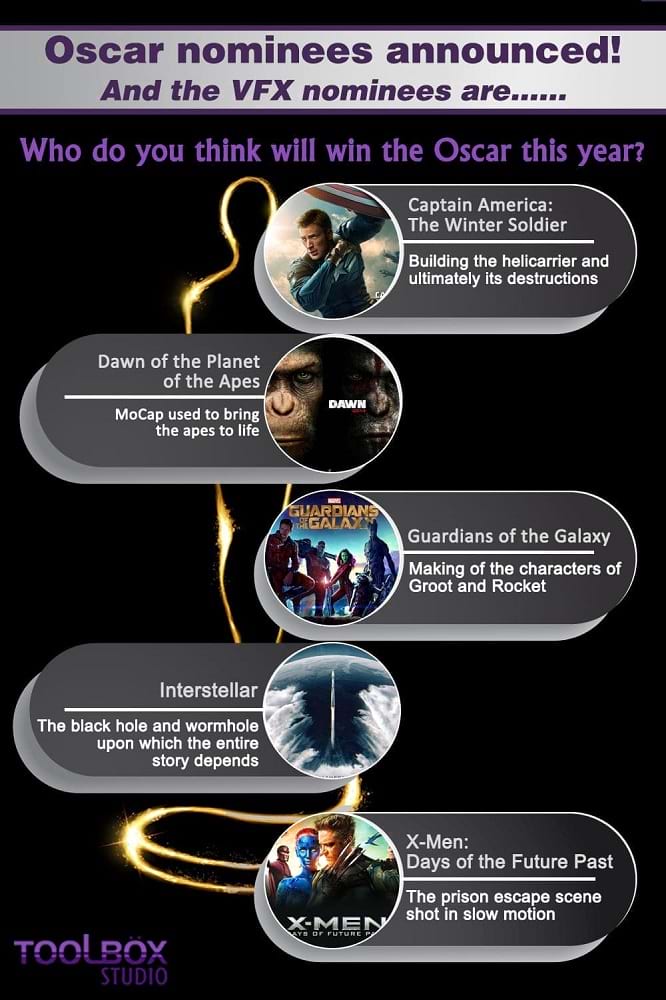
    It is an exciting time! The Oscar awards are right around the corner, and the nominees for the various categories have just been announced. The contenders in the VFX category showcase the power of high-quality animation. As the demand for top-tier visual effects grows, animated video production services continue to push creative boundaries. How do you think the contenders in the VFX category fared?

    Contenders who are now the VFX nominees of the Oscars 2015

    Shall we see who made the cut? In no particular order listed below at the movies that remaining standing.

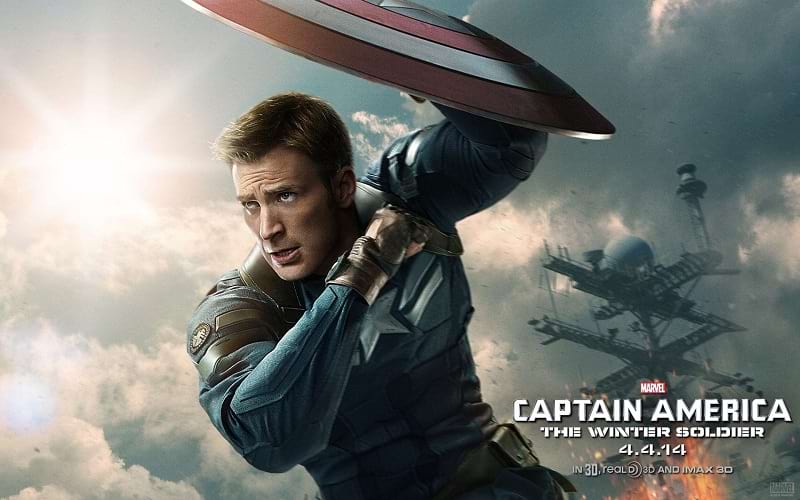
    Captain America: The Winter Soldier

    oscars, visual effects

    As the whole world is threatened again, it falls to Captain America and Black Widow to protect it from the Winter Soldier, a threat that arrived in our present right out of the history books. Of course, the movie and storyline were great, but that is not the only reason it was among the Oscar nominees. While the Winter Soldier posed a significant challenge, the real danger came from the helicarrier—an advanced version of what we saw in The Avengers. Capable of targeting and eliminating millions without even entering Earth’s orbit, its construction and the stunning visual effects played a significant role in securing its nomination. The incredible animated video production services behind the film brought these sequences to life, making the action feel real. V-Ray technology within the dome was crucial in integrating highly complex shots featuring intense battles across the helicarrier.

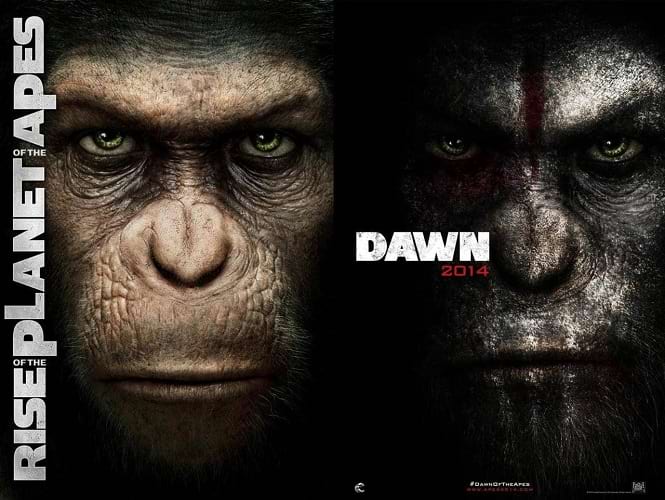
    Dawn of the Planet of the Apes

    oscars, visual effects

    The Dawn of the Planet of the Apes has a story built with complete knowledge they needed to integrate VFX as the foundation. Incorporating the groundbreaking technique of Motion Capture, or MoCap as we call it, gave the team the time to work on the expressions and facial movements of the apes. The combined brilliance of both effects, along with top-tier animated video production services, is why they stand a chance among the Oscar nominees this year.

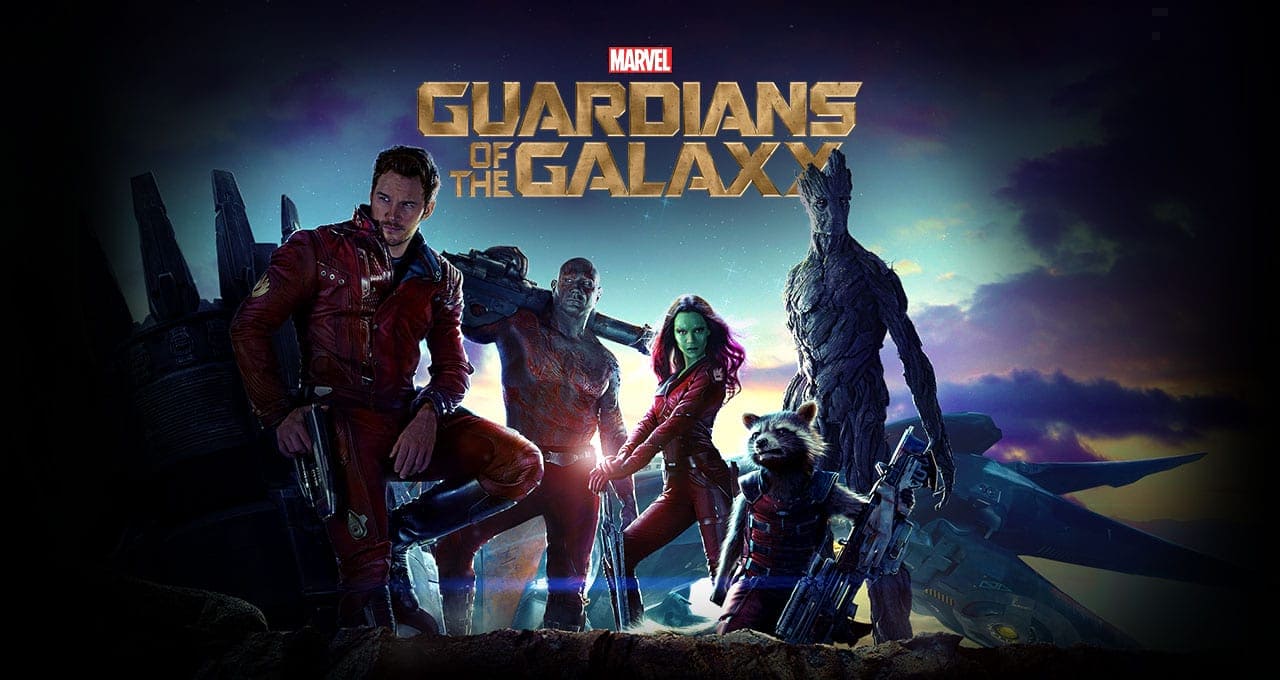
    Guardians of the Galaxy

    oscars, visual effects

    Groot and Rocket! Need we say more! These two characters, who play a great role in saving the universe from the crazed villain, are a testament to the power of animated video production services. Their lifelike expressions and movements were not the result of makeup but of incredible visual effects. Groot’s tree-like facial features were captured using a mime in a blue body suit and a mask resembling his wooden appearance, later enhanced in post-production to achieve his final look. And a genetically modified raccoon that can talk? Of course, Rocket was built from scratch! The level of realism in their movements was an impressive feat, but what truly made them a hit was their emotional and almost human responses, captivating audiences worldwide. It’s no wonder that films featuring such groundbreaking animation techniques often become Oscar nominees!

    Interstellar

    oscars, visual effects

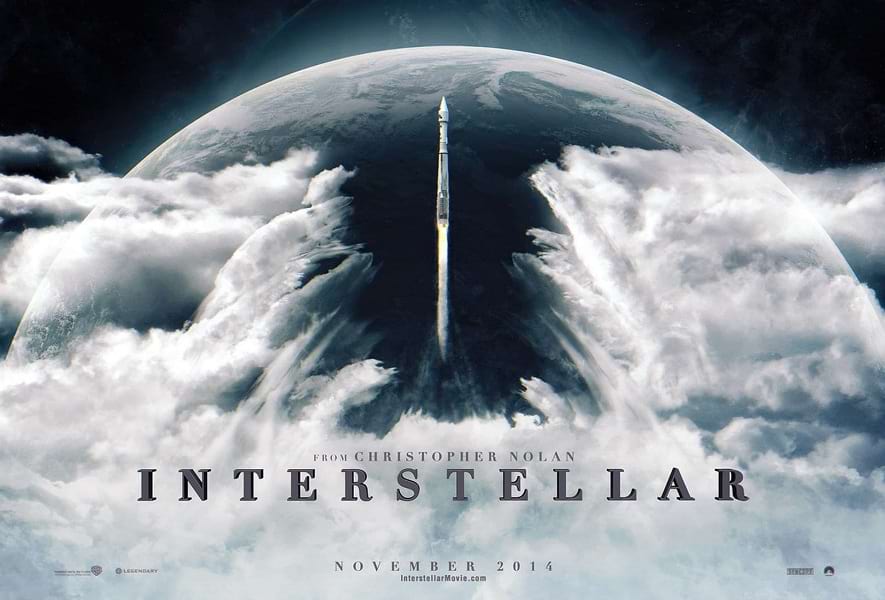
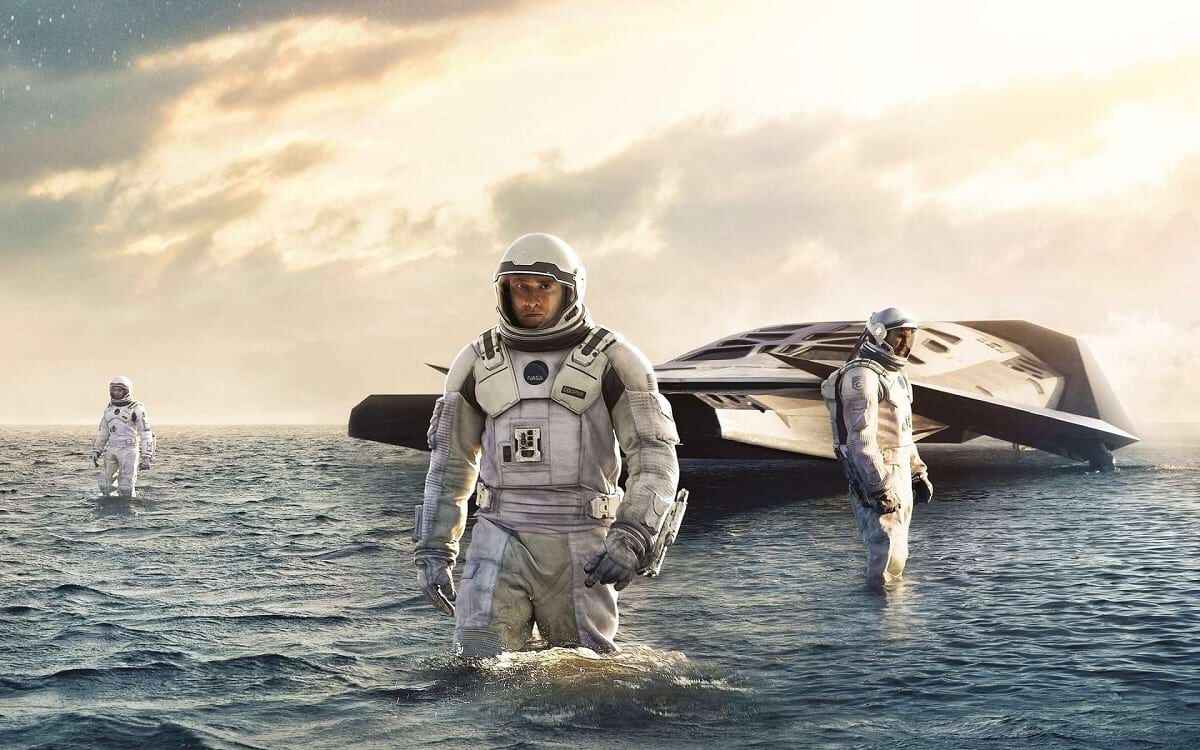
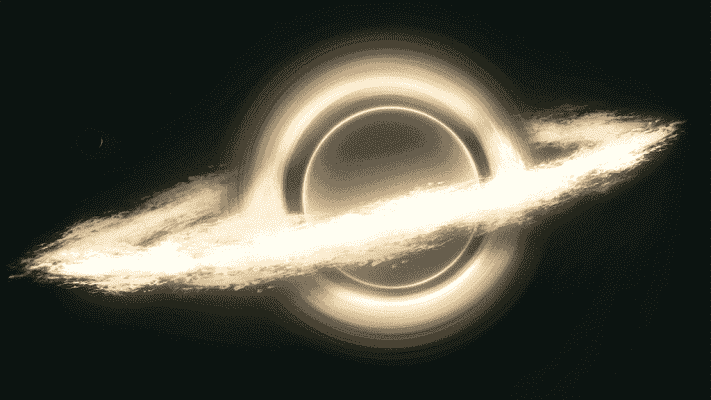
    This movie needs no introduction! The science and depiction of the story are so accurate that they led to a scientific discovery! The awe-inspiring black hole, the wormhole journey, and the breathtaking landscape of the planet they were set to land on—every visual was crafted with stunning precision. The tidal wave scene remains unforgettable, where we all mistook the towering wall of water for mountains. With such groundbreaking visuals, it’s no surprise that Interstellar was among the Oscar nominees. Can anything surpass this masterpiece? We will just have to wait and see!

    X-Men: Days of the Future Past

    oscars, visual effects

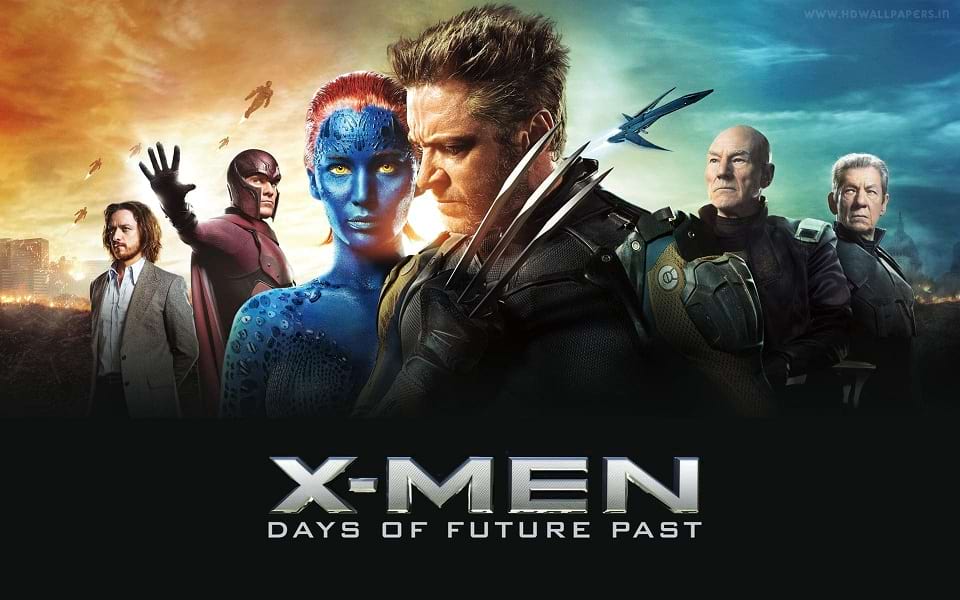
    And the X-Men franchise lives on! Who doesn’t love this series? Many scenes in this instalment deserve special mention, from intense battles against ruthless aliens to high-stakes action sequences. However, the one scene that stands out is the slow-motion prison break—an absolute triumph in visual storytelling. Achieving that cinematic excellence is no easy feat, especially in animated video production services and effects execution. Yet, the team delivered a visually stunning, humorous, and unforgettable moment.

    And the question that now remains is WHO SHALL CLAIM VICTORY? Tell us whom you would vote for in the comments below!

  • 87th Oscar Awards: VFX Contenders in the Race

    oscars, visual effects


    It is that time of the year again. The Oscars are right around the corner and we cannot wait to find out who made the cut this time! Exactly five days from now, is the scheduled bake-off where the experts will see a 10 minute excerpt from each contending movie. Of these 9, only 5 will move on to be the top 5 contenders who get a shot at holding the Oscar.


    Top VFX contenders for Oscar nomination


    In no particular order, here are the movies that have made it this far.


    X-Men: Days of Future Past

    oscars, visual effects

    The X-Men movies have depended upon the use of visual effects for quite some time now and nothing has changed with this part in the series. The movie shows the journey that the characters need to take to change the past so that the human race, mutant or otherwise, can survive in the future. Sounds complicated right. It made sense on screen only because the visual effects rocked!

    Captain America: The Winter Soldier

    oscars, visual effects

    Just as the Steve Rogers struggles to understand the modern world that he has woken up too, he has to team up with the Back Widow. Together it is now up to them to stop an assassin from history known as the Winter Soldier.

    Transformers Age of Extinction

    oscars, visual effects

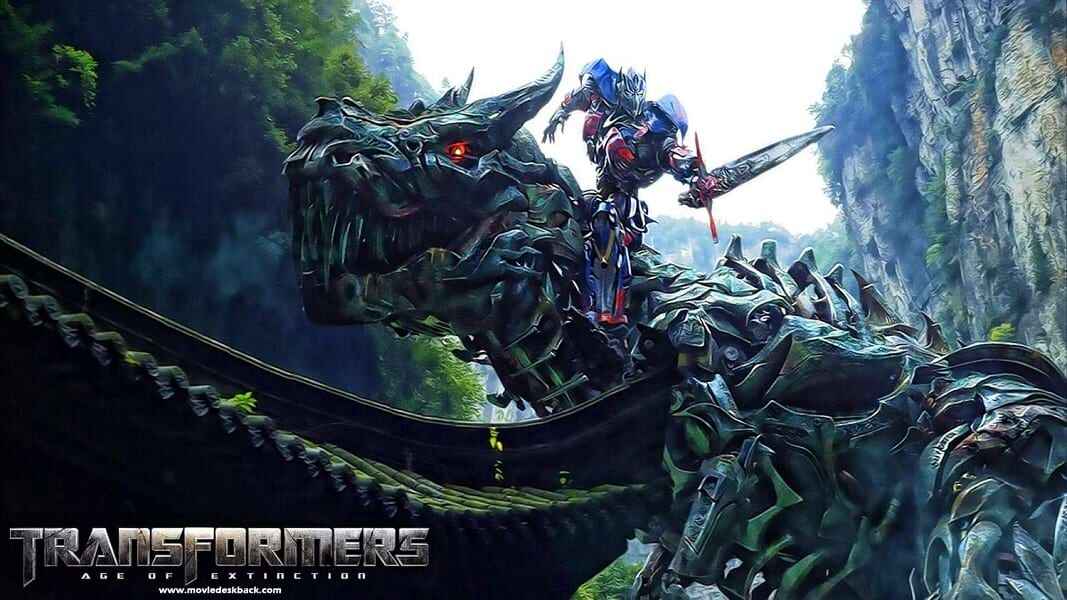
    This last part to be released of the transformers franchise was not received well by the audience. It has the lowest rating any movie has ever gotten by critics and the regular moving going crowd on the rotten tomatoes alike. If there was, anything that people spoke well off was the visual effects in the movie. This movie is certainly not winning the Oscar for anything else so we do hope it at least makes it through to the final five at the very least.

    Dawn of the Planet of Apes

    oscars, visual effects

    When a pandemic disease wipes out the planet, the apes who survive the disease are left to fight the human survivors 10 years later. How do you think this movie would have fared without visual effects supporting it? We never need to think about it because it was simply wonderful with it.

    Guardians of the galaxy

    oscars, visual effects

    When fanatical alien wants to take over the entire universe, it falls in the hands of four criminals to protect the innocents and play guardians for a change. Set in space, this is another movie that would be nothing without VFX.

    Interstellar

    oscars, visual effects

    Set in times when the human species is about to be wiped off the planet earth due a crop failure, the movie is all about how a team of astronauts travel through a wormhole hoping to find a planet that could sustain human life. They not just made the wormhole with the visual effects but the black holes and the planet that they were to reach too! This movie was most certainly a stunner.

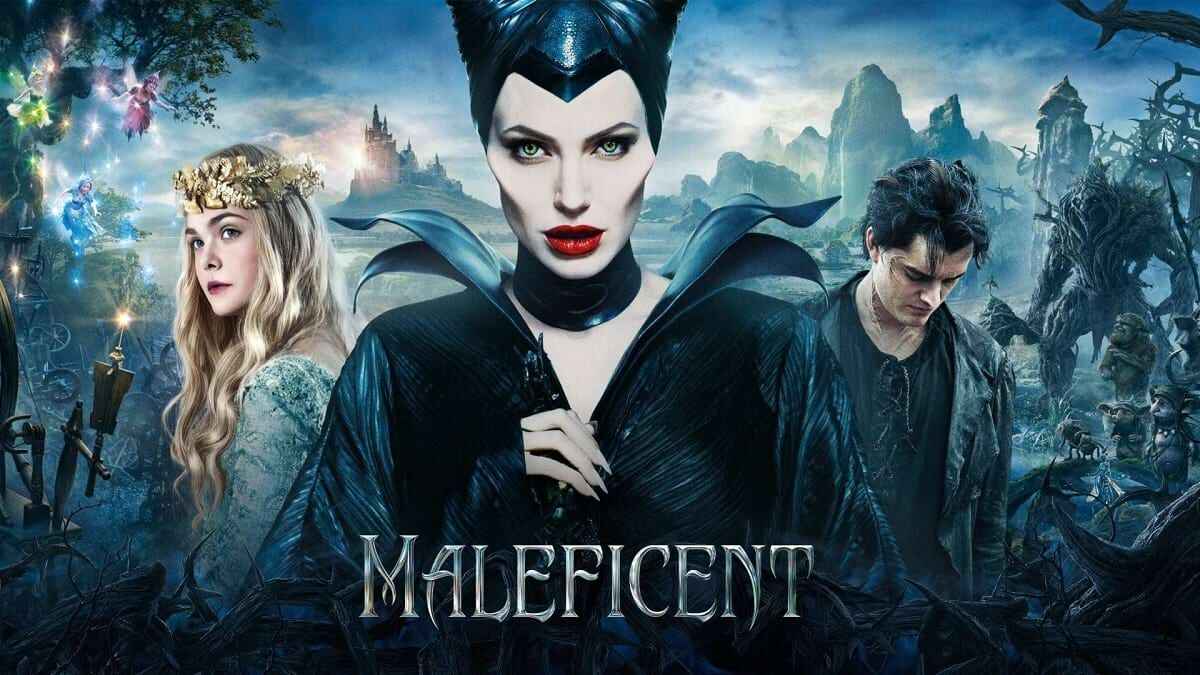
    Maleficent

    maleficent

    Sometimes magic can be the cause of the problem. And that is what happened when a vengeful fairy curses a princess who is the only one who could bring peace to the land. And we don’t need to tell you how good the visual effects in this movie was!

    Night in the Museum: Secret of the Tomb

    oscars, visual effects

    Larry needs to save the magic that brings the museum to life after dark. As he does it, he also brings together beloved old and new characters. Do you think one will make it through?

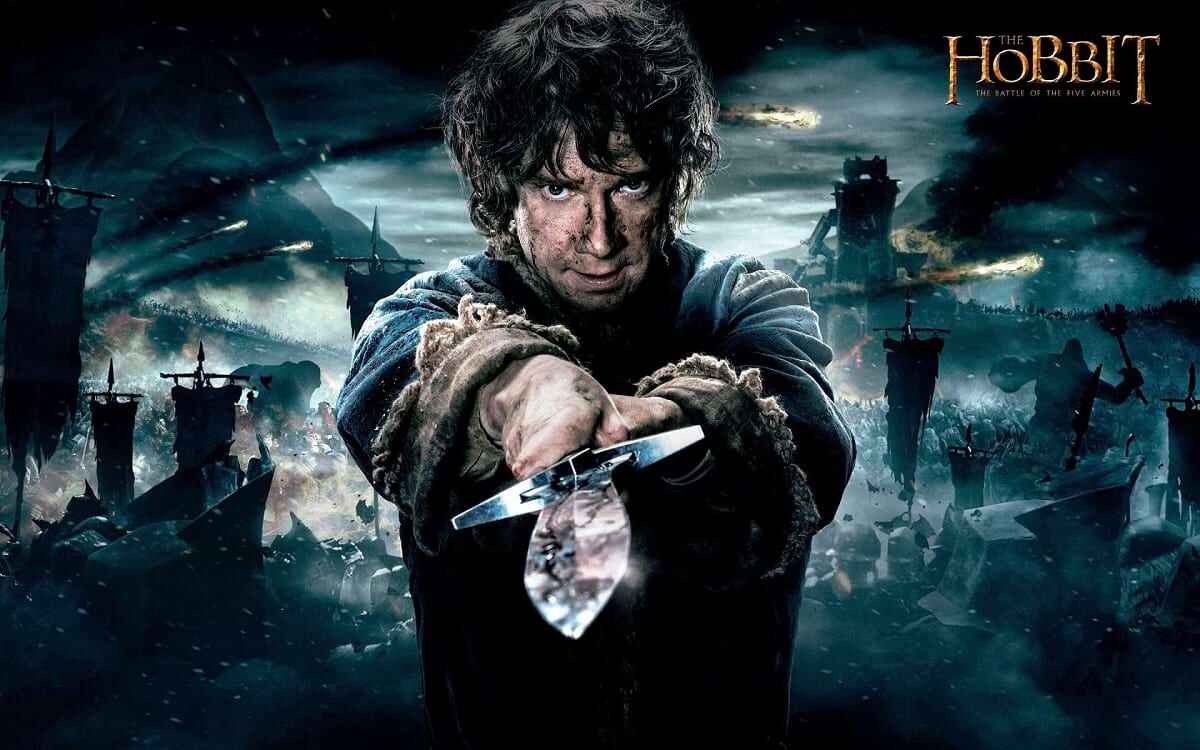
    The Hobbit: The Battle of the Five Armies

    oscars, visual effects

    After they won the Lonely Mountain back, it was time to protect it against the darkness! What did you think of the Hobbit?


    Many say that the one movie they are sure will make it through is Interstellar and the remaining four spots shall be a battle to the death! Do you agree with them? We can’t wait for the 10th of January to find out who the five nominees will be!

  • What makes the Visual Effects in Interstellar so real?

    Interstellar, visual effects

    It isn’t the fact that the visual effects was good, it is the fact that it felt so real that made the movie great.

    To explain this statement, we take a short detour into the visual effects that were created for the movie. The story based on the life on a more dystopian earth which is about to see the end of mankind due to the failure of all crops. The leading man Mathew McConaughey and his crew are hired for one last trip into space to locate a planet with living conditions that the human population could survive on. But the humans don’t even have the technology to meet the speed needed to get there in time, forget travelling faster than that! That is where the wormhole and black hole came into the picture. They had to depend on a black hole they dubbed the Gargantua to sling shot them that far through a wormhole. We all know that a black hole is caused by a dying star when the matter is squeezed so much that the gravity created around it is too strong even for light to escape. A wormhole also known as the Einstein-Rosen Bridge is a funnel with two black holes as its mouth. The first step to realism was the effort that was put into creating these natural phenomena. Let us first talk what made them different from anything that was done till date!

    The visual effects created for Interstellar

    Wormhole:

    Creating the wormhole was the first step they took towards the making the visual effects realistic. And the first challenge they faced. Rendering software’s function under the assumption that light travels in a straight line. But that is not how it works in a wormhole. The question they were left with was how does it behave? To solve this trouble, Kip Thorne the genius behind the science in the movie, was asked to give a set equations that would define the real physics. Using these equations, the team prepared a new rendering software that would create the wormhole. The result as we see was spectacular!

    Black hole:

    Finding courage in their success in building the wormhole, the team tried the same approach for building the back hole Gargantua which spins with the speed of light. And the second major trouble reared its head. How does a software that works on the principle of light travelling in straight lines create a phenomenon that is known to eat light and never spit it back out? For this again, another set of guiding equations was needed to create the brand new rendering software was programmed. Nolan thought of selling the idea that black holes were spherical, but the result they got was a disk. Not only did it turn out as a disk, it also showed that the accretion disk due to the wrapping around the black hole instead of being flat turned into an extraordinary halo! Of course they went with that too, realism being the target.

    Time dilation:

    When travelling that large a distance in space generating so much energy, it is obvious that there will be a time dilation, right? What seems like minutes to the crew are actually years on earth. Most science fiction movies tend to forget this fact. But not Interstellar!

    What made the difference?

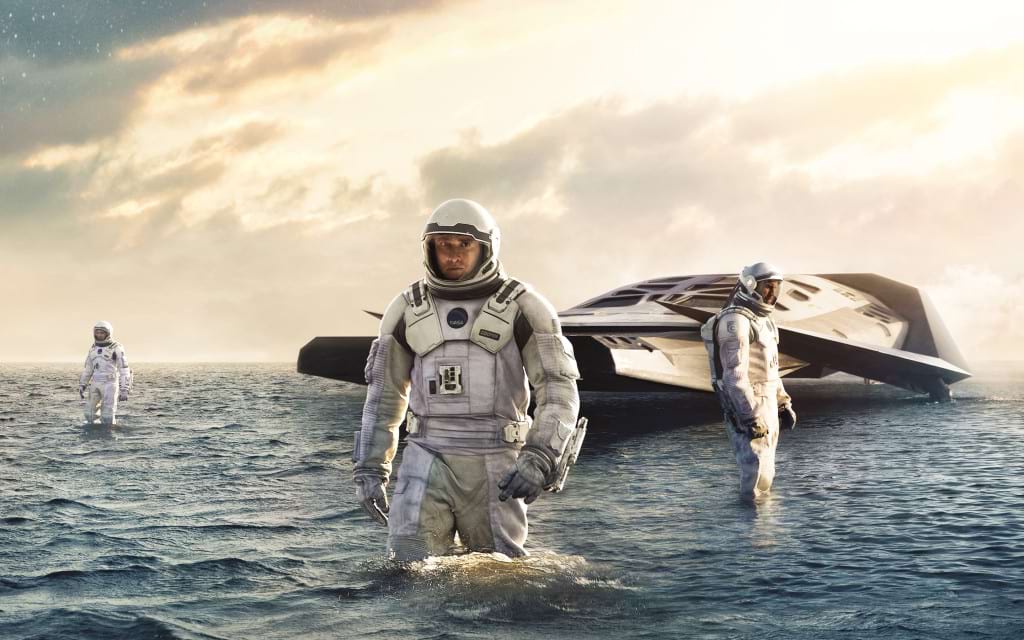
    The science is sound. We know that was the reason Chris Nolan spent so much time with Kip Thorne, to make the visual effects look as close to real as possible. But that wasn’t the only reason why the movie seemed so realistic. The credit also lies with the fact that Chris Nolan may just be averse to the use of green screen. Unlike most other movies where the visual effects is created and added after the movie is made, most of the visual effects for this movie was made beforehand. During the shooting, they built a large screen on which the visual effects was projected using a projector much like the ones in the theatres today. Only they had to mount it on a crane. What the actors saw was not a blank a screen but the actual back drop of where they were in the movie. In certain scenes of the movie, Chris also uses hand held cameras to create a more realistic feel of actually being there. The result was not just that it felt like you were actually there but the situation seemed so much more real to the actors making their reactions real too!

    Is “Interstellar” a True Story?

    “Interstellar” is not a true story. It is a science fiction film directed by Christopher Nolan, released in 2014. While the movie incorporates scientific concepts and theories, it is a work of fiction and does not depict real events.

    However, “Interstellar” is renowned for its stunning visuals and special effects, which contributed to its immersive cinematic experience. The film employed a combination of practical effects, computer-generated imagery (CGI), and intricate visual effects to bring its otherworldly settings and concepts to life.

    The special effects in “Interstellar” were meticulously crafted to create a realistic depiction of space travel, wormholes, black holes, and other cosmic phenomena. The visual effects team utilized advanced CGI techniques and simulations to generate the breathtaking imagery seen throughout the film.

    The collaboration between director Christopher Nolan, cinematographer Hoyte van Hoytema, and the visual effects team resulted in visually striking sequences that showcased the vastness of space and the awe-inspiring wonders of the universe.

    It is worth noting that while the visual effects in “Interstellar” were highly praised, the film also aimed to maintain scientific accuracy wherever possible. The production team consulted with renowned physicist Kip Thorne, who served as a scientific advisor, to ensure that the visuals and concepts remained grounded in scientific plausibility.

    That is why this movie went beyond looking real to actually feeling real.
     

  • The Visual Effects in Interstellar that Lead to a Scientific Discovery

    The Visual Effects in Interstellar that Lead to a Scientific Discovery

    Interstellar visual effects

    “It’s very easy to fall into the trap of breaking the rules of reality,” says Paul Franklin, a senior supervisor of Academy Award-winning effects house Double Negative and the man behind the realistic visual effects of Interstellar.
    The journey Interstellar took its audience on began with a script that Jonathan Nolan penned. When Steven Spielberg stopped directing the movie, Chris Nolan stepped in instead. Known for his mind-bending films, Chris set a new target with this script by aiming to make it as realistic as possible. That’s when Kip Thorne came into the picture to bring scientific accuracy to the film’s interstellar visual effects. Thus, the script began to be rewritten.

    The story finally decided upon was that all the crops fail shortly in a darker and less humane version of our reality, and humankind faces extinction. In a desperate attempt to beat the end of mankind, a former astronaut played by Mathew McConaughey is recruited for one last take off to reach a faraway system that could support human life. And that was the trouble. You see to reach another star system you would have to travel really far away and then travel some more. Even the nearest star system would take many decades to reach and that is at speeds that human technology still doesn’t know how to achieve. To beat these odds, Kip Thorne suggested the use of the phenomena of Einstein-Rosen bridge, more commonly known as the wormhole. How else would they ever have gotten there in time? The more they spoke about it, Chris Nolan was faced with one very daunting question, how were they going to make this work on screen? He had no clue himself but he knew who could make it happen. That is when Kip Thorne meet Paul Franklin. To bring in the element of realism to the visual effects, Paul Franklin asked Kip Thorne to send across a bunch of mathematical equations that explained how the physics actually works. So if the light does not travel in straight lines around the wormhole, then how would it? The equations Kip Throne sent across was more of a heavily researched paper than guidelines but that is what the team needed too! Paul Throne’s team used it to write up a new rendering program that they used to put together the wormhole. The results were so spectacular that after the shooting of the scene, Ann Hathaway actually walked up to them and said that it was so stunning that she almost forget her lines a few times because of it.

    Finding courage in this success, the team tried to replicate the same for the black holes. The most significant trouble with the black holes was that they completely ate away the light around them. Filmmakers use interstellar visual effects and ray tracing to render light and reflections of images. But this functions under the assumption that light travels in a straight line. Paul Throne’s team then wrote an entirely new rendering again. There was also the need to compute the bits of distortion caused by an Einsteinian effect known as gravitational lenses. It took about 100 hours to get some of the frames together. Chris Nolan was wholly taken up with the idea that black holes were spherically in shape, but then Paul Franklin started reading about accretion disks. The team tried out a rather tricky demo. They found that the warping space around the black hole also wrapped the disk, and what they got was an extraordinary glow instead of a Saturn-like ring! The team thought it might be a bug, but Kip Thorne saw that the phenomenon had been accurately visualised!

    That is how the movie visual effects of the movie lead us straight to a scientific discovery! We got a visual stunner to see and Kip Throne got the material he needed to publish two papers!