Tag: rotoscopy future

  • Rotoscopy in Advertising: Creating Eye-catching Visuals

    Rotoscopy in Advertising: Creating Eye-catching Visuals

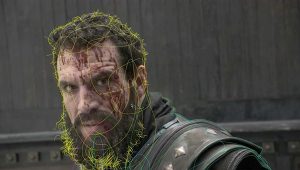
    Welcome to the vibrant and captivating world of advertising, where a remarkable technique is reshaping how brands share their stories – “Rotoscopy in advertising.” But hold on, it’s more than just a technical step; it’s like a magic wand that brings each frame to life with imagination. This special technique, known as “rotoscoping,” involves tracing over real video, bit by bit, to create animations that mix reality with fantasy. As the need for attention-grabbing visuals grows, rotoscopy has become a mighty tool, letting advertisers craft amazing experiences that viewers won’t forget.

    Imagine this technique as a spotlight in a crowd of ads. “Rotoscopy in advertising” is like a captivating spell that grabs your attention and keeps it locked in. Every traced frame, carefully polished through rotoscoping, adds a new brushstroke to the story’s canvas. This lively back-and-forth between real footage and animation turns everyday scenes into extraordinary tales that break the mold of traditional ads.

    Visual Effects: The Heartbeat of Advertising

    In the grand arena of rotoscopy in advertising, visual effects stand tall as the shining armor that transforms mundane concepts into extraordinary narratives. The allure of these effects lies in their ability to awaken emotions, trigger curiosity, and establish a profound connection with the viewer. Visual effects in advertising serve as the brushstrokes that paint vivid stories, enabling brands to etch their message into the canvas of the viewer’s mind.

    The Magnetic Pull of Eye-Catching Visuals

    Amid the cacophony of modern life, catching and holding a viewer’s gaze is no easy feat. It requires an amalgamation of creativity and technical finesse to weave a visual tapestry that commands attention. Eye-catching visuals act as a gravitational force, compelling viewers to pause, engage, and immerse themselves in the story being told. They are the North Star that guides the viewer through the rotoscopy in advertising journey, leaving an indelible mark on their memory.

    Rotoscopy in Advertising: Unveiling The Artistry

    Enter the world of advertising rotoscopy, a technique that bridges the gap between reality and imagination. Rotoscopy is a meticulous process that involves tracing over live-action footage, sculpting ordinary scenes into animated masterpieces. This technique’s genius lies in its ability to seamlessly merge the tangible and the fantastical, resulting in visuals that transcend the ordinary and spark wonder in the viewer’s eyes.

    The Symphony Of Motion Graphics And Rotoscopy In Advertising

    Motion graphics, akin to a conductor orchestrating a symphony, play a pivotal role in the advertising realm. When intertwined with rotoscopy, they form a harmonious duet that transcends the limitations of traditional storytelling. This marriage of art forms births visuals that dance, evolve, and mesmerize, enabling advertisers to convey complex ideas with elegance and precision. The outcome is a visual ballet that evokes emotions and fosters lasting connections.

    Unleashing Creativity: A Palette of Advertising Wonders

    Creative advertising techniques are the cornerstone of crafting narratives that leave an indelible mark. Rotoscopy stands as a versatile tool in this arsenal, empowering advertisers to paint outside the lines of reality. Through this technique, brands can metamorphose a simple product demonstration into a captivating saga of transformation. Rotoscopy lends wings to imaginative narratives, enabling brands to ascend to new heights of creativity and resonance.

    Showcasing Brilliance of Rotoscopy in Advertising: Dazzling Examples

    Automotive Enchantment: Picture a luxury car commercial where the vehicle morphs into a mythical creature, embodying power, elegance, and aspiration through a mesmerizing dance of animation.

    Fashion’s Dynamic Flourish: Imagine a fashion campaign that employs rotoscopy to accentuate the fluidity of fabrics, creating a visual feast that tantalizes the senses and captures the essence of the collection.

    Culinary Delights Unveiled: Rotoscopy can whisk viewers into a culinary reverie, turning a recipe demonstration into an enchanting culinary ballet, where ingredients pirouette and blend in a delectable choreography.

    Technological Marvels in Motion: For technology brands, rotoscopy could ingeniously visualize data coursing through intricate circuitry, epitomizing the product’s capabilities in a captivating dance of technology and imagination.

    Conclusion

    In the intricate tapestry of rotoscopy in advertising, visual effects stand as the pillars of engagement, and rotoscopy emerges as the crown jewel of this mesmerizing realm. By embracing this technique, brands can forge connections through eye-catching visuals that transcend the ordinary, engaging viewers on a profound level. As the march of technology continues, the union of rotoscopy, motion graphics, and creative ingenuity promises an exciting future where advertising is elevated to an art form that seizes attention, ignites emotions, and etches itself into the collective memory of audiences worldwide.

  • The Evolution of Rotoscope Animation

    The Evolution of Rotoscope Animation

    What is Rotoscope & The Evolution of Rotoscope Animation

    When animated and visual effects enabled films were first produced in the early 1900s, the movements of the characters tended to be jerky and stiff. This all changed when rotoscoping techniques were invented by Max Fleischer in 1915. In this article, we look at what is  rotoscope animation and its evloution from its conception to what it has done for the world of animation today.

    What is Rotoscopy?

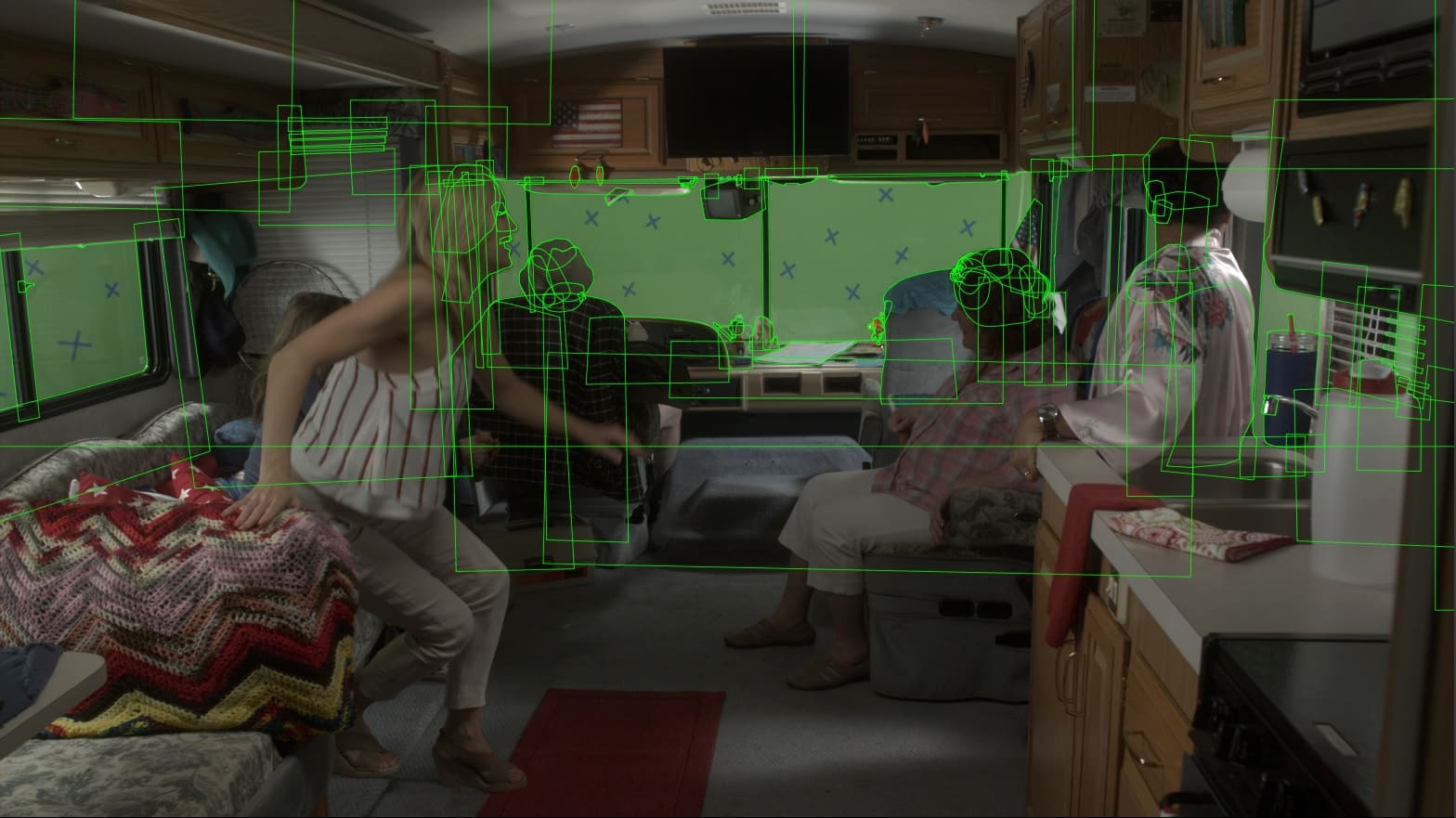
    Rotoscoping is an animation technique used by animators to trace over live action footage, frame by frame, in order to produce realistic looking action. Initially this was done by using a device called a rotoscope where footage was projected on to a glass panel and painstakingly traced over by artists.

    Naturally, this equipment has now been replaced by computers, but the process is still named after the original device. Rotoscoping is also used in the VFX industry where the matte for an element is created manually on a live action plate which is then composited over another background. Rotoscoping in the digital domain is aided by motion-tracking and onion-skinning software.

    The Origins of Rotoscopy

    origin of rotoscopy

    Polish born Max Fleischer was the staff cartoonist for The Brooklyn Daily Eagle. While there, he met John Bray, an early animator who introduced him to the world of cartoons and animation. Believing that the techniques used for animation could be improved upon, Fleisher invented the rotoscope, which used a combination of a projector and an easel. His patent was granted in 1917.

    Fleischer’s first character was a clown based on his brother Dave dressed in a costume. Although the patent was still pending, Fleischer used the technique to animate a series of short cartoons called Out of the Inkwell. Fleischer then founded Fleischer Studios, which gave us legendary cartoons like Betty Boop and Popeye! A notable example of rotoscoping animation used in a feature length animation was Snow White and the Seven Dwarfs. It was met with plenty of resistance from the artists though as they felt that it hindered their work.

    The Evolution of Rotoscope Animation

    Rotoscopy wasn’t just used in animated films either. The Beatles Yellow Submarine notably featured the use of rotoscoping animation techniques in the Lucy in the Sky with Diamonds section in 1968 while Ralph Bakshi famously used roto techniques in films like Wizards (1977), The Lord of the Rings (1978) and American Pop (1981).

    The early methods of rotoscopy were time consuming to say the least and it wasn’t until the late 1990s that rotoscoping went digital thanks to Bob Sabiston, an animator and computer scientist veteran of the Massachusetts Institute of Technology (MIT) Media Lab. He developed a computer-assisted “interpolated rotoscoping” process which he used to create a short movie Snack and Drink. He created the computer program Rotoshop which allowed one animator to do the work of many.

    Director Richard Linklater subsequently employed Sabiston and his proprietary Rotoshop software in the full-length feature movies Waking Life (2001) and A Scanner Darkly (2006) making him the first director to make a whole movie using the rotoscoping technique.

    Benefits of Rotoscope Animation

    Rotoscope animation is a technique that involves tracing over live-action footage frame by frame to create animated sequences. This technique offers several benefits in the world of animation and visual effects. Here are some key advantages of rotoscope animation:

    Realistic Movement:

    Rotoscoping animation allows animators to capture the natural movement and fluidity of real-life actors or objects. By tracing over live-action footage, animators can achieve lifelike animations with accurate proportions, weight, and timing. This technique is particularly useful when animating complex actions or human characters, as it provides a realistic foundation for the animation process.

    Time-saving:

    Rotoscope animation can be a time-saving technique compared to traditional frame-by-frame animation. By using live-action footage as a reference, animators can quickly create the initial keyframes, resulting in a more efficient workflow. Rotoscoping reduces the need for animators to start from scratch, allowing them to focus on refining and enhancing the animation instead.

    Consistency and Accuracy:

    Rotoscope animation ensures consistency and accuracy in the animation process. By tracing over live-action footage, animators can maintain the original performance or movement captured in the reference footage. This technique is beneficial for achieving precise facial expressions, body movements, or intricate actions, ensuring a high level of detail and fidelity in the final animation.

    Integration with Live-Action Footage:

    Rotoscoping allows for seamless integration of animated elements with live-action footage. By tracing over the live-action frames, animators can create animations that perfectly match the movements and perspectives of the actors or objects in the scene. This integration enhances the realism of the final composite and creates a cohesive visual experience for the audience.

    Artistic Interpretation:

    Rotoscope animation provides an opportunity for artistic interpretation. While the initial tracing process captures the realism of the live-action footage, animators can also add their creative touches, exaggerate movements, or stylize the animation. This combination of realism and artistic expression allows for unique and visually appealing animations.

    Rotoscopy Now and the Future

    rotoscope animation

    Rotoscope Animation

    Rotoscopy has now become a creative animation and VFX technique in its own right. Software programs mean there are new ways to carry out the entire rotoscopy process without having to use physical film, thus making it less time consuming. Animators can work in multiple different layers using one layer as the digitised film image and the rest containing the animation or effects that need to be inserted.

    The evolution of smaller and more powerful computers and more complex software applications means desired effects can be achieved with less effort than once required. Colours can be changed and lines blurred using modern graphics software and sophisticated technology can now also track the position of composited objects in each frame taking away much of the physical labour. As software and computer power evolves, so will the art of rotoscopy and what you can do with it.

    However, all these techniques still need skilled artists to ensure that everything is in the right place at the right time. Roto artists, as they are now known as, still need immense amounts of training and discipline to bring the magic to your screens.

    Toolbox Studio thrives on its ability to deliver world-class rotoscope solutions to range of global clients. In the last 10 years, the team has grown to include 50+ inhouse VFX artists who work on industry-standard software. If you have a project that needs these competencies, we can help you achieve that. Get in touch with us now!