Blog

  • What You Need To Know Before You Make Your Corporate Film

    corporate film production - Toolbox Studios

    Key Considerations for Crafting Your Corporate Film

    Corporate Filmmaking has recently gained popularity as a medium to convey a message effectively. The more prominent brands have been using this medium to gain traction in the online world as a means to establish brand identity and boost recall. The online world is less regulated than the traditional means of communication. This trend is now trickling down, and many medium- and small-brand brands are also getting on board. It is more economical, and in today’s world, it has a broader reach. So why not capitalise on it? Understanding the corporate film meaning can greatly help in harnessing the full potential of this powerful marketing tool.

    As corporate filmmaking brands begin to make it, they realise they aren’t prepared for it or have lost the plot somewhere along the way. Having made a few of these ourselves, Toolbox Film Studios now has a list of questions we want brands to answer before we begin production.

    Points That Demand Attention Before The Corporate Film Production


    The closer your corporate film meaning is to the core message, the better results you will achieve. We insist that brands answer these questions to create clarity for us in the making of the video but also for them to leverage the production to gain better results.


    1. What is your core message?

    Every brand has a core message that it wants to send out with corporate filmmaking. This is usually decided upon when the decision to make a corporate video is made. However, the advantage of a corporate video is that it can be a little longer than a regular commercial. We ensure that our clients know that they have the leeway to make some additions to their messaging if they want to here.


    2. Who is your target audience?

    A good production unit understands the importance of this definition to creating a compelling corporate film. We encourage our clients to define these criteria and redefine them again. The more specific these criteria are, the better aligned the corporate filmmaking will be.


    3. What are the beliefs and values that the brand gives importance to?

    The corporate filmmaking usually delivers one specific message, but it must also reflect the brand’s values. The brand must revisit its values and explore them further to ensure that they are conveyed.


    4. What is the take away for a customer?

    A customer has only one reason for looking up information on any medium: to find or suggest a solution. The focus of corporate film production also needs to begin with the customer’s takeaway and consistently reiterate the point.


    5. What is the emotion that you want to evoke in your audience?

    There is a reason why brands are working on humanizing themselves. Emotions make sales better than facts. So what is the emotion that the brand wants to associate this corporate video with? This is another factor needs to be built into the script.


    6. Call to action

    At the end of every pitch, you want your audience to react and do something. Why else would a brand make a corporate film? This is the call to action. The entire corporate filmmaking will revolve around enticing the audience to respond positively to this call to action, which must be finalised before working on the script.


    7. What is your budget?

    Always keep a measure of this. A lot of decisions involving the production will depend on this.


    Have you asked the right questions before entering corporate filmmaking production?

  • 11 Greatest Matte Paintings Of All Time

    Matte paintings (or ‘glass shots’) originated during the early period of the silent era. They gave production units the freedom of never having to leave the studio grounds and still creating films that left the audience in awe.

    For a long time now, many movies have relied on the magic of this art. Matte painting and VFX studios across the world have worked tirelessly towards creating the magic. To pick and choose among them is a tough choice to make but a few of them stand out.

    EXPLORE OUR SPECIALIZED VFX PAINT POSTPRODUCTION SOLUTIONS

    Here’s a comprehensive list of the best we’ve seen till date. Top 11 matte painting examples we’ve seen on screen.

    Top 11 Matte Paintings WE’VE Seen On Screen

    Mary Poppins 1964
    Mary Poppins

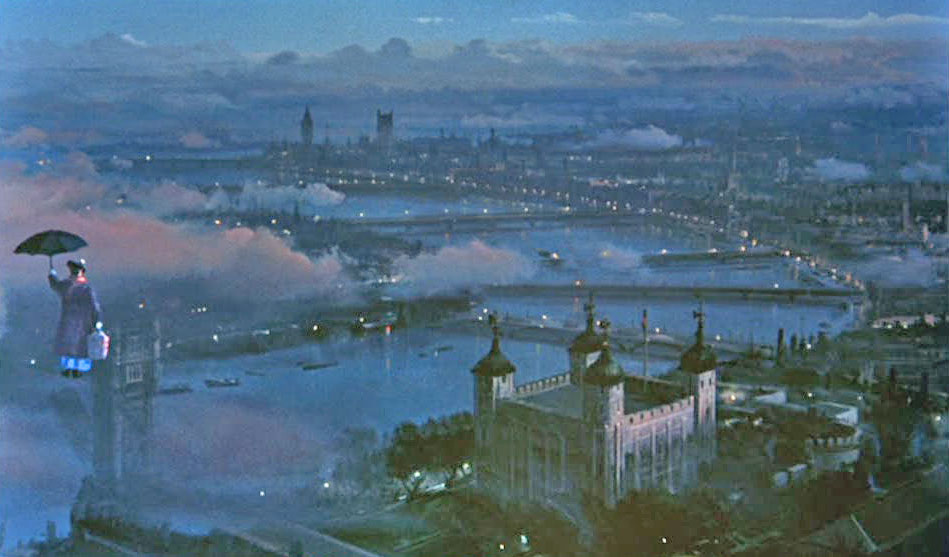
    An academy award winner for the best visual effects, this movie made extensive use of matte paintings. In many shots, the entire background was a full frame of art and the actors were matted into it. Chief artist Peter Ellenshaw was a part of the creative think tank with Walt Disney in many movies but he definitely outdid himself with this one!

    Ghostbuster 2 1989
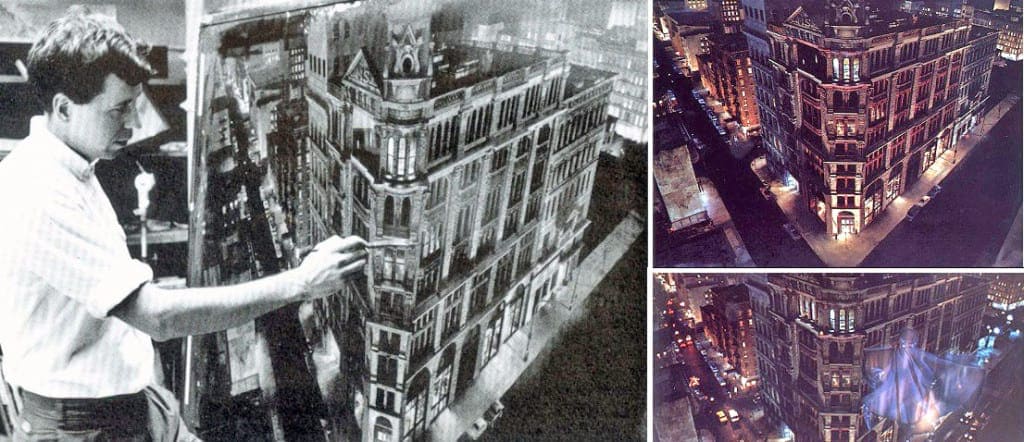
    ghostbusters II

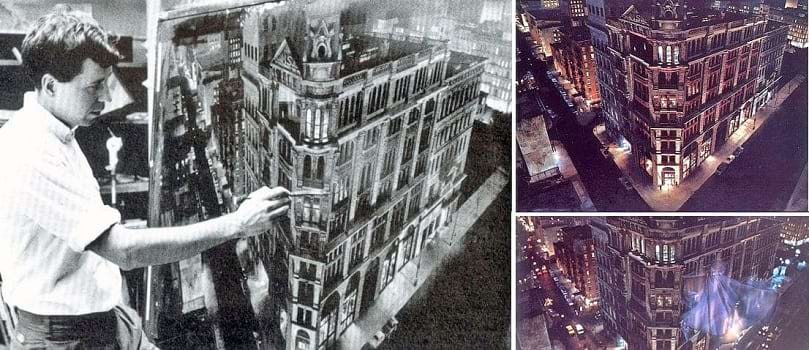
    Mark Sullivan was one of the greatest matte painters that his generation ever saw. Before the art of glass shots gravitated to the computers, he painted this full screen shot of Sigourney Weaver’s apartment and cityscape around it. Only the roadway was left unpainted.

    Earthquake 1974
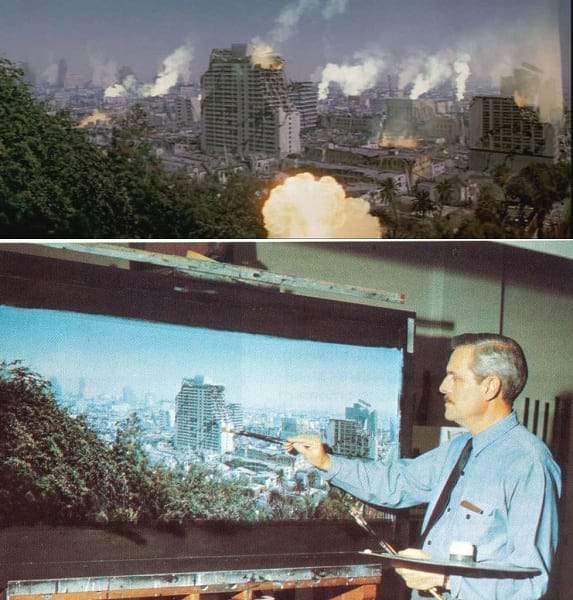
    Earthquake

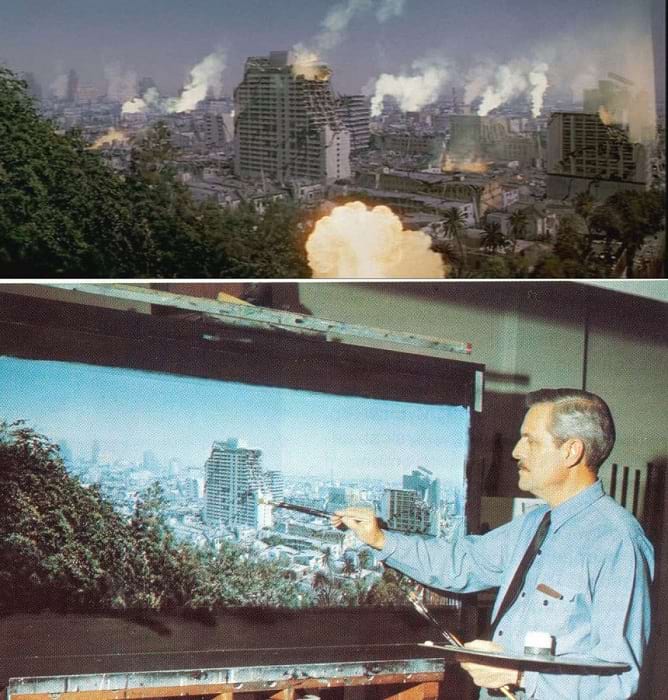
    What makes this movie so special? Well, Albert Whitlock created 22 matte paintings in 12 weeks! What was even more impressive is the fact that this medium budget movie that was made in great haste minted good money at the box office. The effects work did have a few loopholes (which was most likely due to the rushed schedule), but the paintings are definitely noteworthy.

    The distinguishing point in the shot in focus here is the loose and impressionistic brush that was a tried and tested signature of Albert’s style.

    The NeverEnding Story 1984
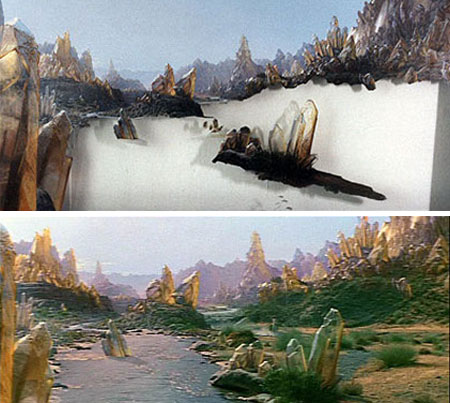
    Never Ending Story

    Whether you took a liking to the movie or not, you just can’t miss this stunning Jim Danforth matte in the middle of all the visual effects. He did a brilliant job with capturing the refractive index of the crystalline substances which is all one large frame. This definitely is one of his best mattes ever.

    Ben Hur 1959
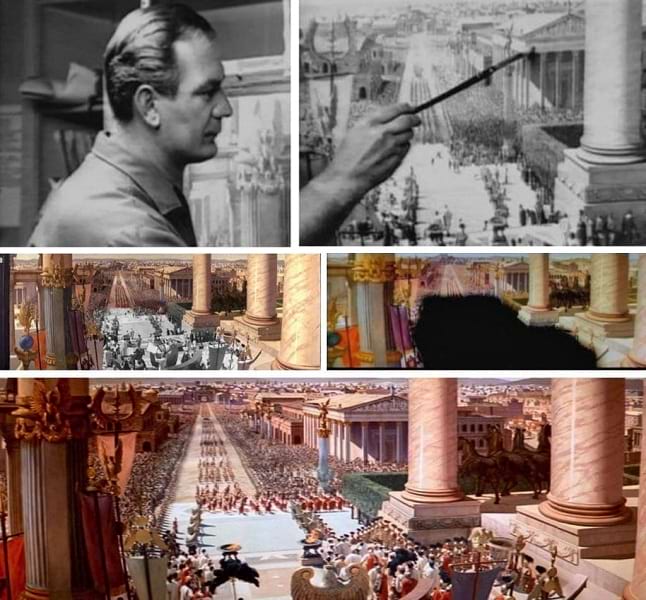
    Ben Hur

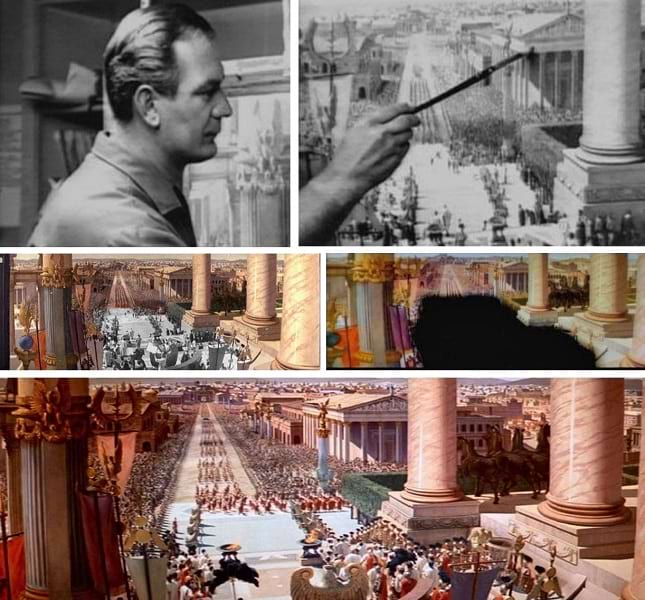
    The mattes in this movie faced a unique challenge. They all had to be painted horizontally (squeezed sideways) which would then be played for the audience in the right ratio after the making. And the beauty of it is that despite all the difficulties, it is still so hard to spot an error.

    Harley Davidson And The Marlboro Man 1991
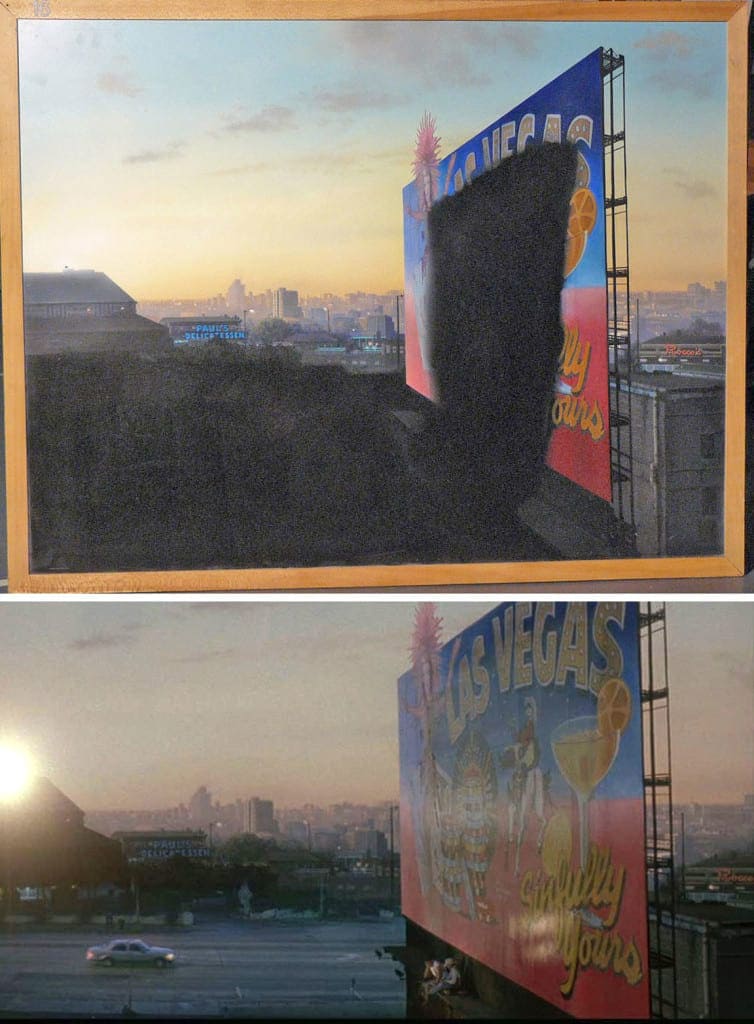
    Harley Davidson Marlboro Man

    This action flick went unnoticed but what we could not ignore was this breathtaking matte painting by Rocco Gioffre. While the element of the men against the billboard and the traffic was streamed individually, the rest of the scene entirely depended on this stunning matte!

    Raiders Of The Lost Ark 1981
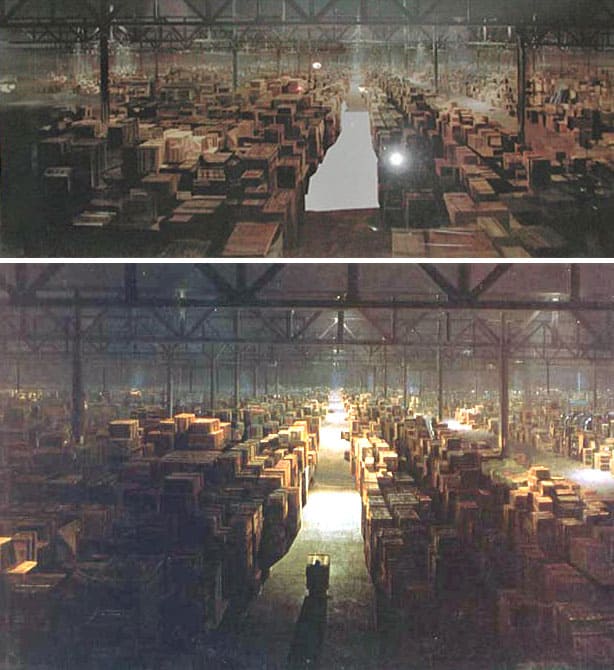
    Raiders of the lost Ark

    Micheal Pangrazio painted this stunning visual from the Raiders of the Lost Ark that become symbolic of the movie. This painting is tremendous for the fact that it is held in the shot for a fairly long time (compared to any other matte). And it is still not an easy feat to tell where the trick lies! Another ‘wow’ fact about it is that it took three months to paint all the boxes and crates. Simply flawless!

    Treasure Island 1950
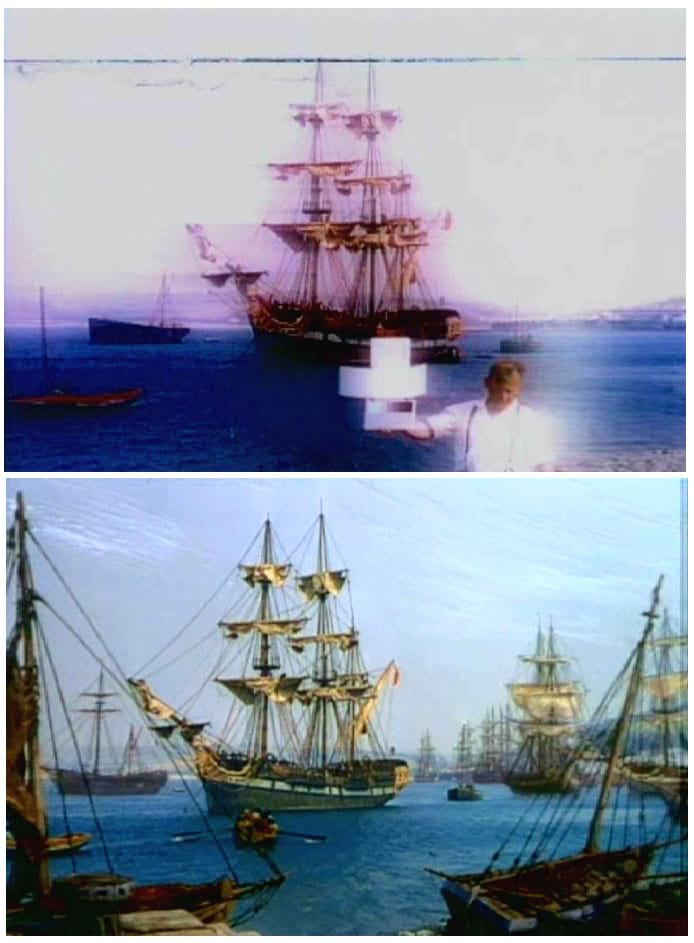
    Treasure Island

    Another exhibition of Peter Ellenshaw’s unbelievable talent, this matte painting of the harbor in this delightful Disney feature is one of the few that will forever remain on the lists of the greatest matte paintings ever made.

    The Red Shoes 1948
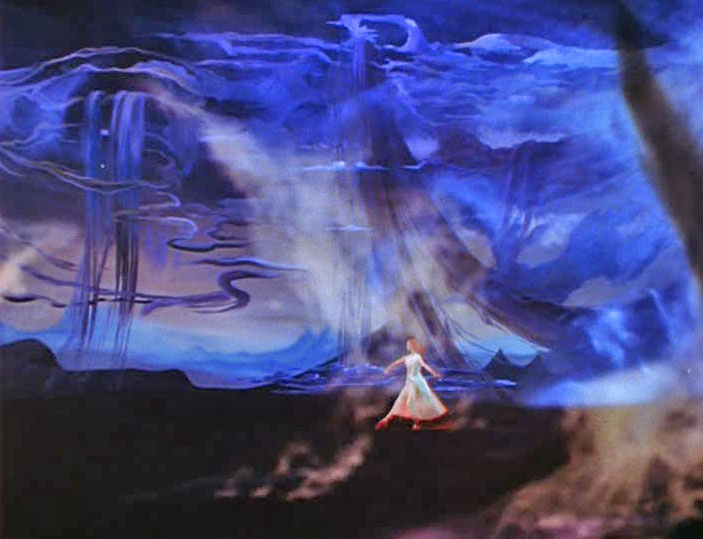
    The Red Shoes

    A lengthy old movie on ballet dancers is nobody’s first choice. But the visuals in the movie make it worth a watch. The many groundbreaking travelling mattes and optical composites are not short of awe inspiring, sometimes supplemented by equally beautifully matte paintings contributed by Joseph Natanson, Ivor Beddoes and Les Bowie.

    Superman 1978
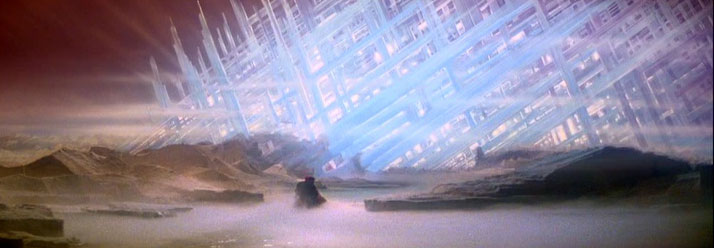
    superman

    Superman was one of those ‘perfect’ superhero movies that had a great mix of live action and visual effects. Les Bowie along with Ray Caple painted this stunning matte of the crystal fortress which is without a doubt one of Caple’s best works ever.

    King Kong 1933
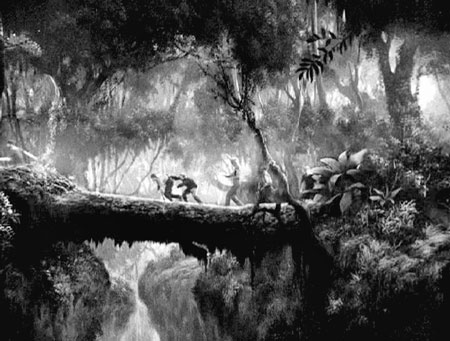
    King Kong

    The Kong movie is packed with a number of matte paintings which have successfully created a mood of mystery, gloom and fear. The chief matte artists Byron Crabbe and Mario Larrinaga gave life to a dark and terrifying jungle in the 1930s and till date there isn’t one that is said to be more terrifying.

    TITANIC (1997)
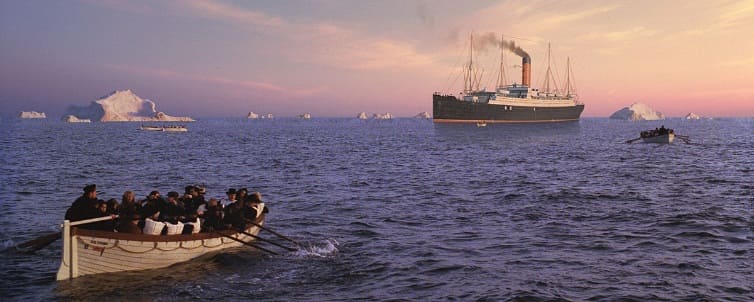
    matte painting - titanic

    The iconic Titanic is amongst the last major examples of oil matte paintings. This shot of the Carpathia was crafted by Chris Evans (the architect behind blockbusters like The Curious Case of Benjamin Button, The Empire Strikes Back and The Green Mile).

    These genius artists and matte painting studios have given us great visuals and virtual worlds to live in. A salute is what they deserve!

    For years, matte painting vfx has been a well-known VFX technique. It simply means that a landscape is used as the background in paintings. You can remove your movie from the confines of the stage by placing a blue or green screen behind your performers. Matte paintings in movies has come a long way today!

    Audiences may believe that the location depicted in the movie is genuine, even though it is really a product of the director’s wild imagination.

    When building a physical set or traveling to a specific location to film is either prohibitively expensive or impossible, it is frequently used to create landscapes, sets, and scenes for movies, television, and print. A thorough understanding of light, exposure, colour theory, and composition are necessary for this technique.

    One of the most common uses of matte painting in VFX is creating a background completely different from the live-action footage. This could be a landscape, cityscape, or even an entire planet. For example, in the movie “Avatar” (2009), the entire planet Pandora was created using matte painting.

    The use of matte paintings also allows filmmakers to create historical or fantasy environments that would be difficult or impossible to film in live-action.

    A glass matte painting is a variation of matte painting. It is a technique where a painting on glass is used to create a background element. The painting is photographed and composited into live-action footage.

    Glass matte paintings were widely used in the past, but with the advent of digital matte painting, the use of matte glass paintings has decreased.

    The Process of Matte Painting in Movies

    The process of creating a matte painting can be divided into several steps. The first step is concept art and pre-visualization, where the artists create rough sketches of the background elements that will be needed for the shot. The second step is camera tracking and layout, where the live-action footage is matched to the background elements that were created in the first step. The third step is painting and compositing, where the final matte painting is created and composited into the live-action footage. The final step is color correction and final adjustments, where the final image is color-corrected and any final adjustments are made.

    Our matte painter can help you achieve the desired results seamlessly!

    And while the modern film production techniques have switched to blue/green screens, matte painting in films is by no means obsolete. In fact, mattes have become the go-to reference for film-related digital creations.

    With the digital evolution, matte paintings are increasingly moving out of the 2D space, with 3D sets and background setups being created using various digital techniques. Take Harry Potter and the Prisoner of Azkaban as an example – multiple 100-foot canvases were seamed together and positioned behind the movie sets to create that feeling of grandeur and a larger-than-life look.

    If you are looking around for matte paintings and need an expert, Toolbox Studio should be your go-to option. Our skilled matte artists will ensure they deliver top-notch matte art to leave your audience mesmerized!

    LET’S DISCUSS HOW OUR VFX PAINT SOLUTIONS CAN ENHANCE YOUR PROJECT

    Images are sourced from here.
  • Milestones In Visual Effects: What Came Before Star Wars

    cover


    Since the Star Wars we have seen many wonders on the big screen. But what happened before?

    Ever since the very first moving picture, Star Wars special effects have amazed the audience. Over time, they have grown from the early basic tricks to computer spectacles. We witness the magic of various advanced techniques like stop-motion and performance capture on the screen almost every day. But where did it all begin? That is what we aim to bring out here.
    Movies That Set The Foundation To The Best Visual Effects Of Today


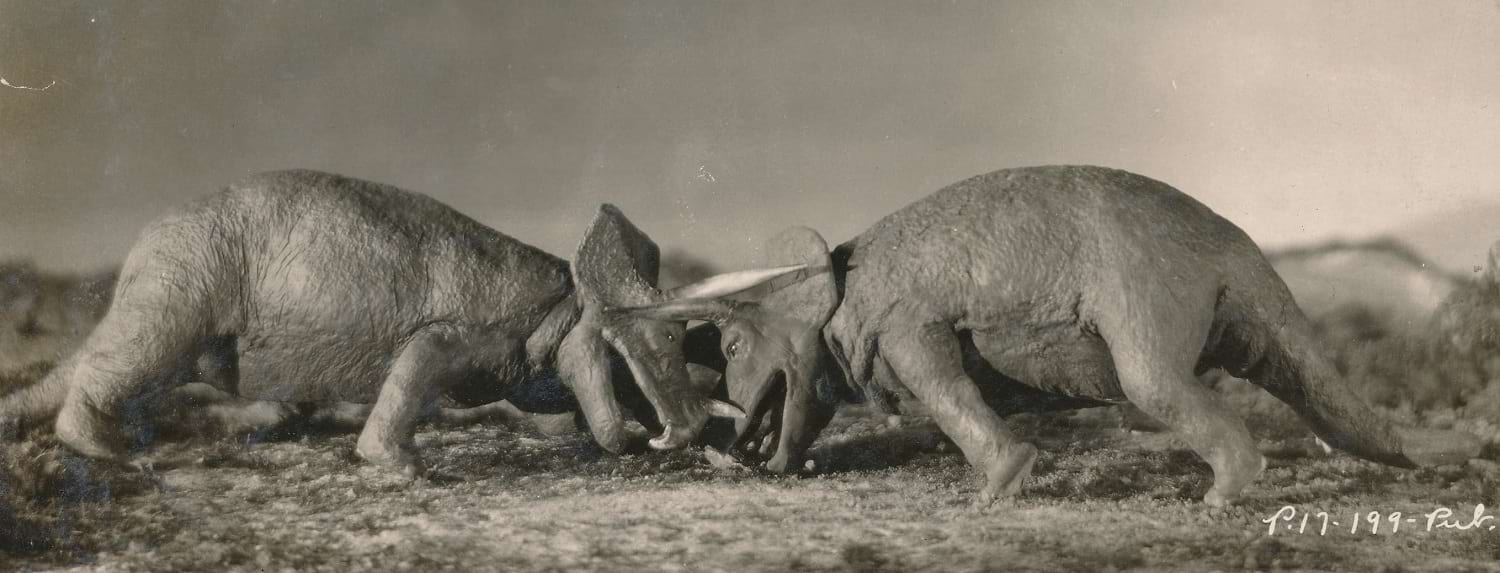
    1. The Lost World: 1925

    Credits: sammoroniesentertainmentfunhouse
    Credits: sammoroniesentertainmentfunhouse

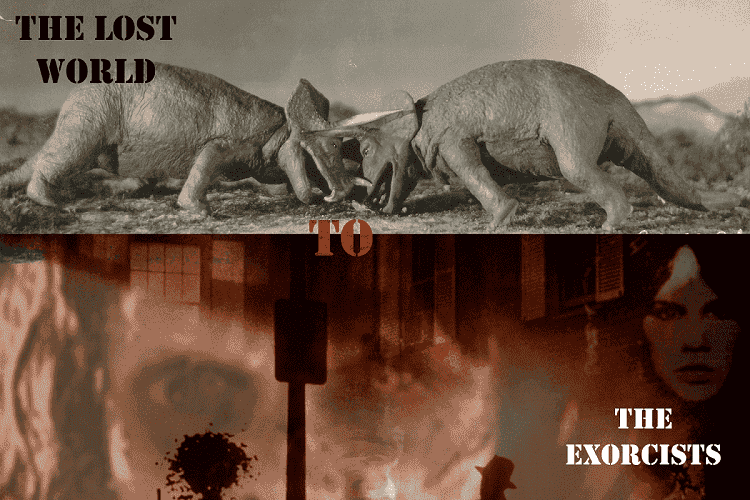
    The Lost World established a new genre of movies of feature length dinosaur oriented sci-fi movies. Following the creation of the life sized giants in this movie many followed like Gojira, Jurassic Park and Godzilla. Wills O’Brian pioneered the first use of the primitive stop motion animation, especially in the scene where the brontosaurus knocking down people with its tail on the streets of London.

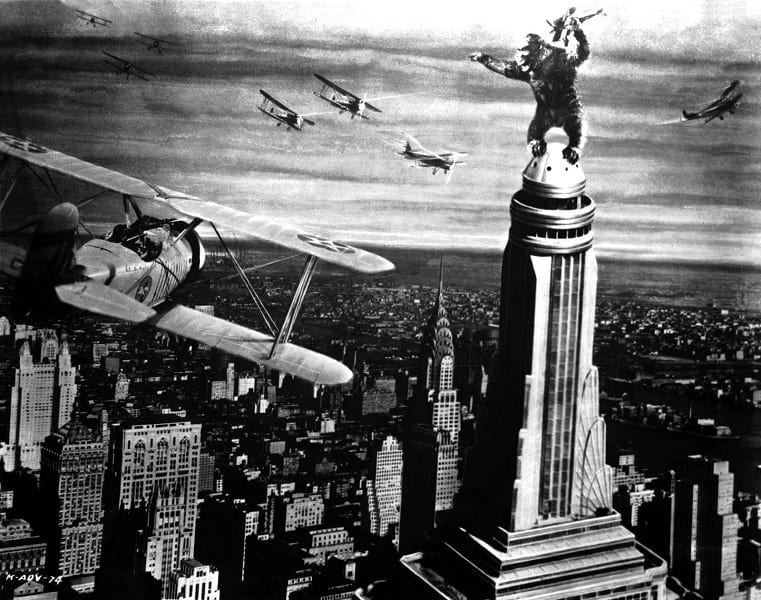
    2. King Kong: 1933

    Credits: 3.bp.blogspot
    Credits: 3.bp.blogspot

    Wills O’Brian’s masterful use of detailed stop-motion animation and the best visual effects on King Kong and the dinosaurs makes this movie still one of the best effects ever created. King Kong also employed a combination of matte paintings, miniatures, rear projection, and stop-motion through many different scenes to create a more realistic effect.

    3. Snow White And The Seven dwarfs: 1937

    Credits: cartoonpapers.com
    Credits: cartoonpapers.com

    Snow white and the seven dwarfs was the ground breaking 83 minute film that was built on hand drawn animation entirely. It was the first ever movie to use rotoscopy for the entire length of the feature.

    4. The Wizard Of Oz: 1939

    Credit: bioskop24
    Credit: bioskop24

    The Wizard of Oz made considerable use of matte painting projections to make the audience believe the actors where in a different location all together. But the best visual effects from the 3 different angles on the twister takes the cake and the cherry on it!

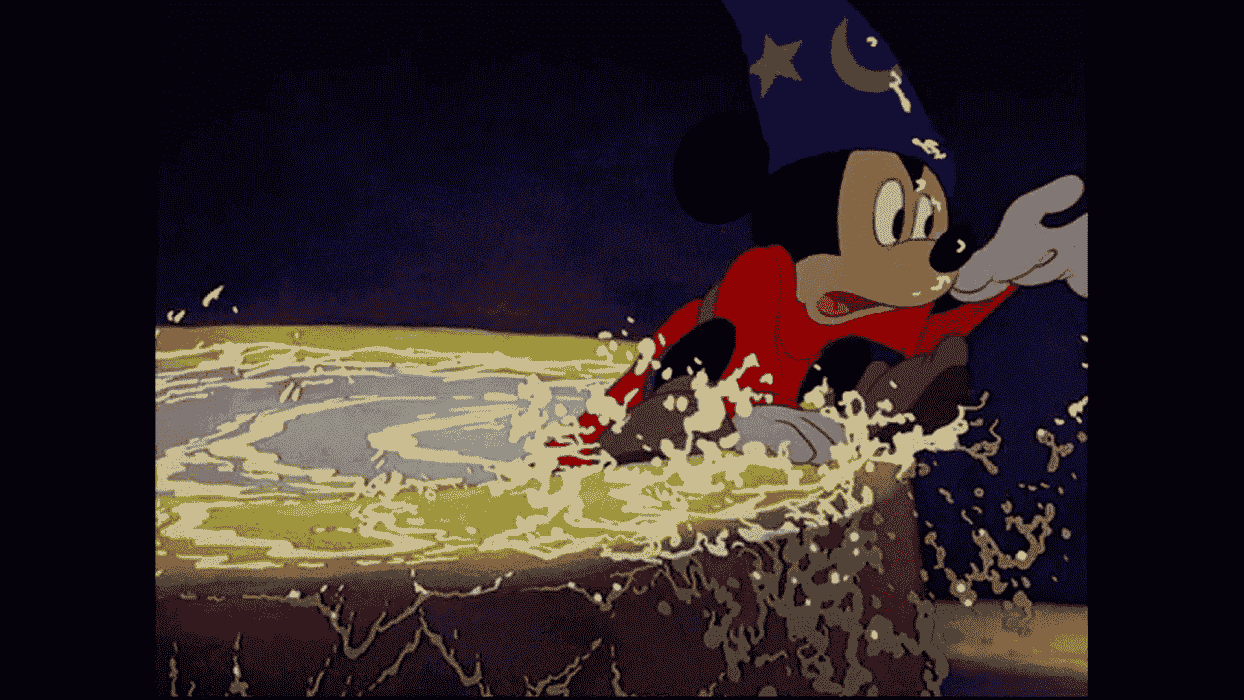
    5. Fantasia: 1940

    fantasia
    Credits: yug.me

    Fantasia was the first artistic animation movie with classical music. This was also the first film ever to use a multi-channel stereo sound called fantasound.

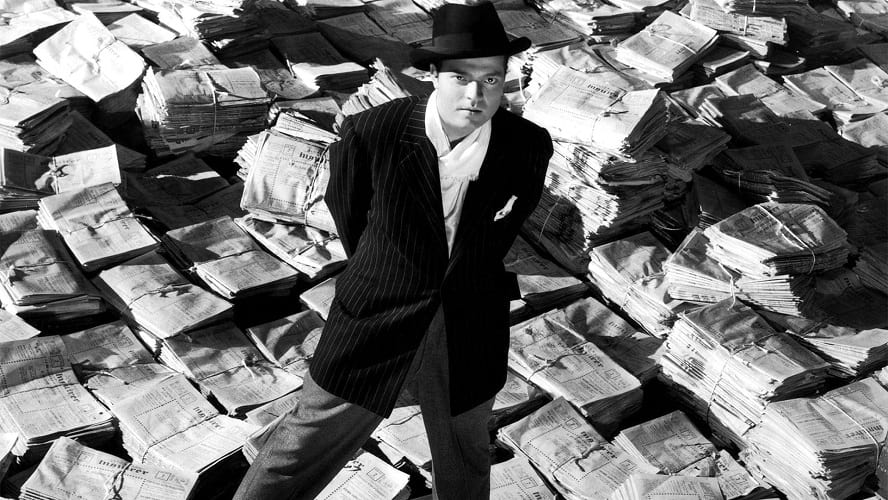
    6. Citizen Kane: 1941

    Credits: kamikong
    Credits: kamikong

    This master piece from Orson Welles used a combination of cinematic and narrative techniques with experimental innovations to create the title character like putting such as putting together puzzle pieces

    7. The Ten commandments: 1956

    Credits: tmbd.org
    Credits: tmbd.org

    When the red sea parted, our jaws dropped! This scene is till date one of the most miraculous and expensive scenes in the making of visual effects. Some of the other scenes in the movie that used special effects are the burning bushes and different plagues. Compositing was also used to multiply the number of extras in the scene.

    8. 2001: A Space odyssey: 1968

    Credits: hdwallpaperbase
    Credits: hdwallpaperbase

    The Star Gate and Star Child sequence, along with other special effects, helped create this movie, which later pioneered several such films in this genre. This was the first movie to have such a realistic image of space. Miniature models of spacecraft, timer or manually guided pre-motion control cameras, rear projection, full-sized props or models, and other early techniques were used.

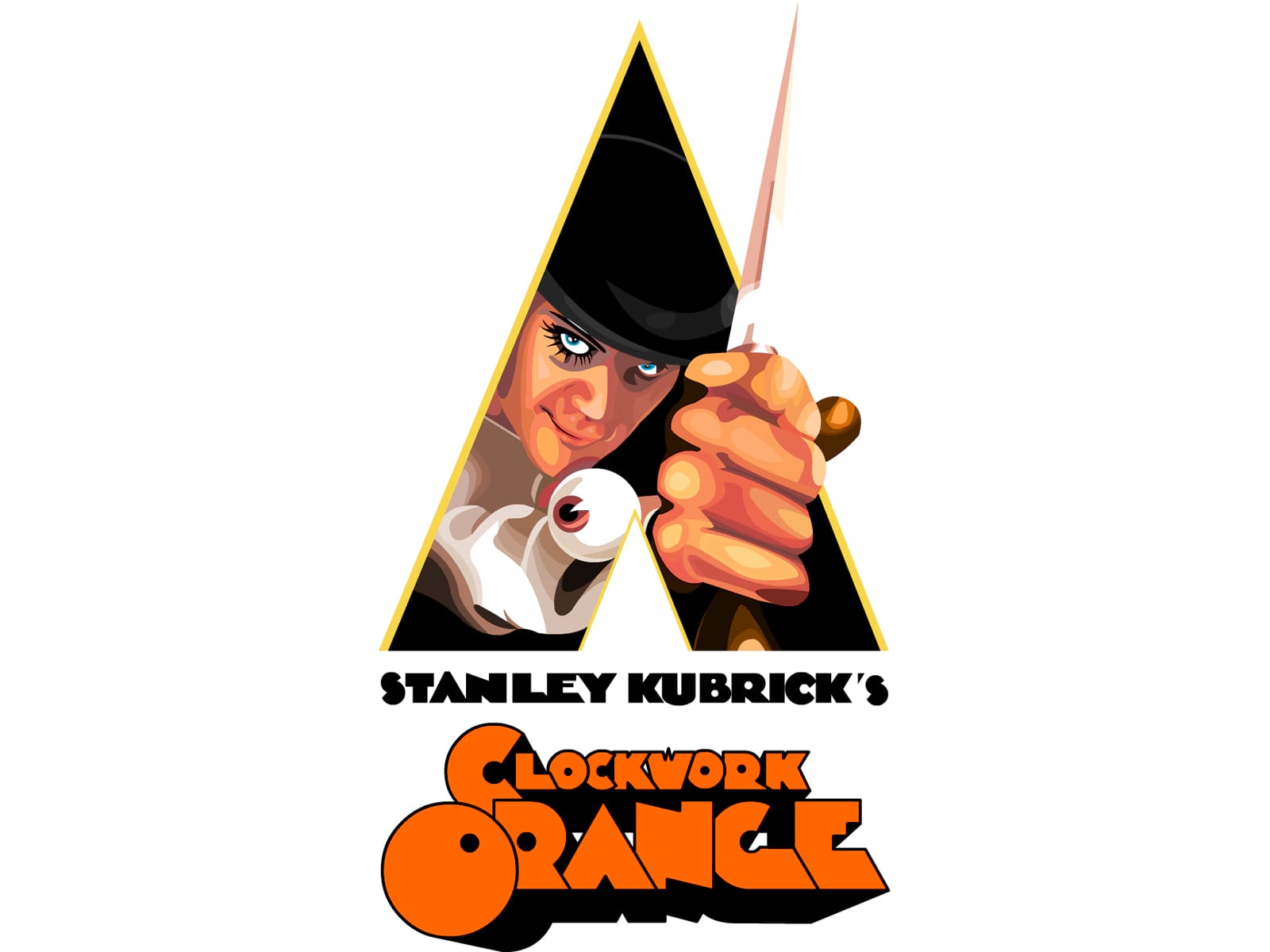
    9. A Clockwork Orange: 1971

    Credits: wallpaper.com
    Credits: wallpaper.com

    A Clockwork Orange was the first movie to use Dolby technology to record sound. A technology that has now become a staple.

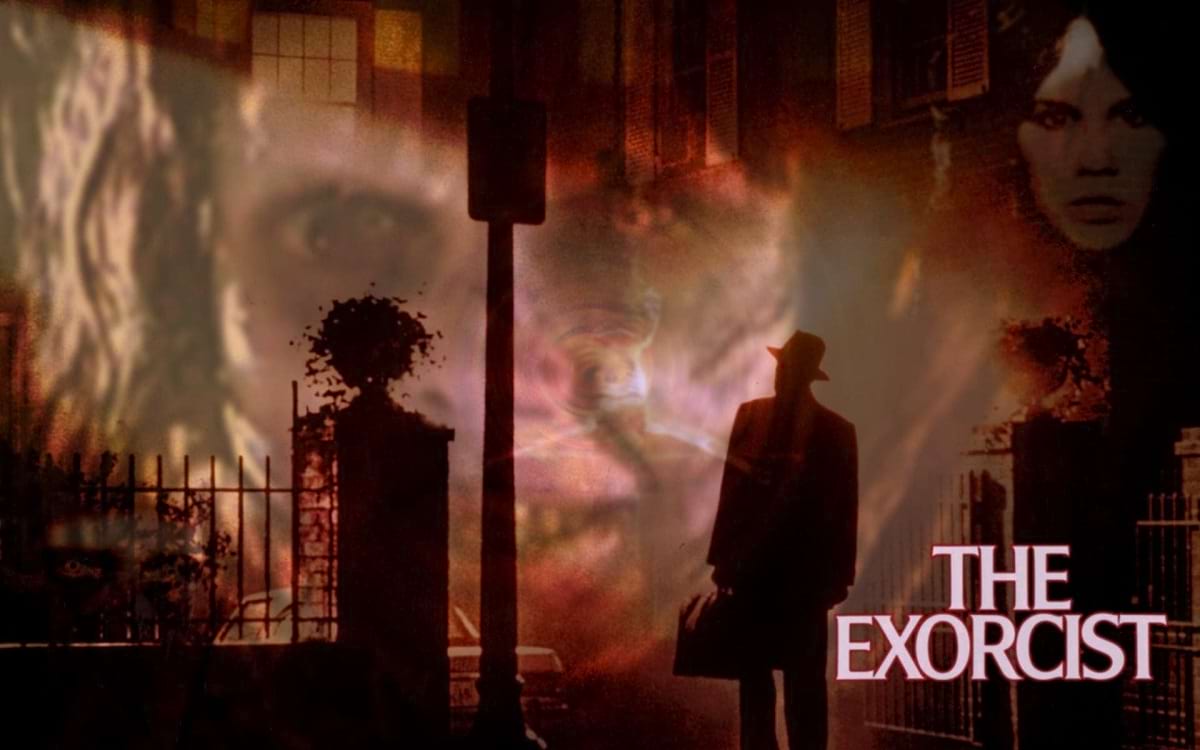
    10. The Exorcist: 1973

    Credits: fanpop.com
    Credits: fanpop.com

    The Exorcist, a horrifying story of a girl possessed by the devil and later the exorcism was a result of some really stunning effects. A lot of the nauseating scenes like the appearance of the words “HELP ME” on the girl’s stomach and also the 360 degree head rotation could not be done without the more basic technology and the ingenuity of the team.


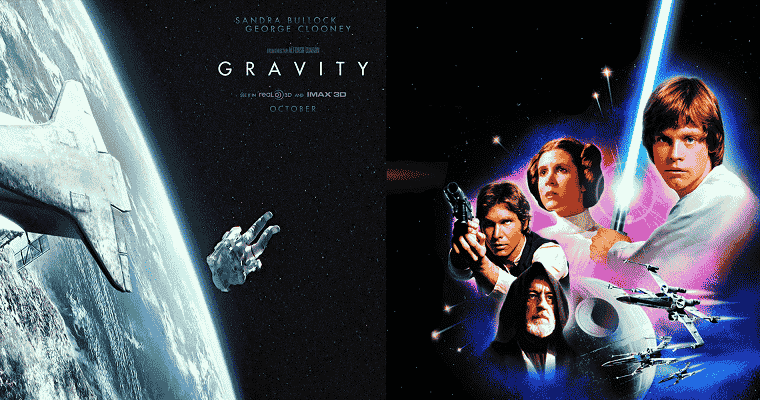
    These 10 wonders paved the way to the development in technology of best visual effects that started a revolution in the form of Star Wars and eventually led to the making of Gravity!


  • From Star Wars to Gravity: Milestones in Special Effect

    cover

    There was once a time when some things simply could not be done. That was before special effects. Advances in this segments demands that we pay a tribute to the milestones that have influenced the special effects. After all, most of the movies of today would be nothing without them. Let’s begin with the Star Wars and trace the path that has led to movies in the league of gravity.


    Most Significant Moments In Special Effects Between Star Wars


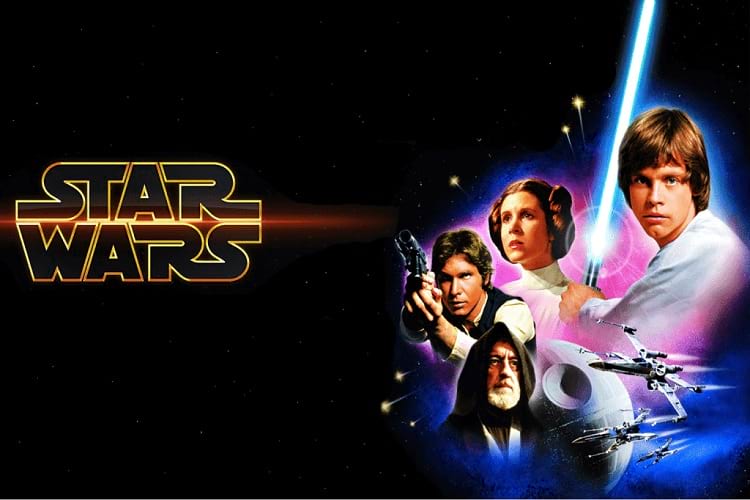
    Star Wars: 1977

    star wars

    All kinds of techniques were refined and motion control cameras were pioneered to lend new degrees of realism, making it possible to create some of the best special effects movies that captivated audiences with their stunning visual innovations.


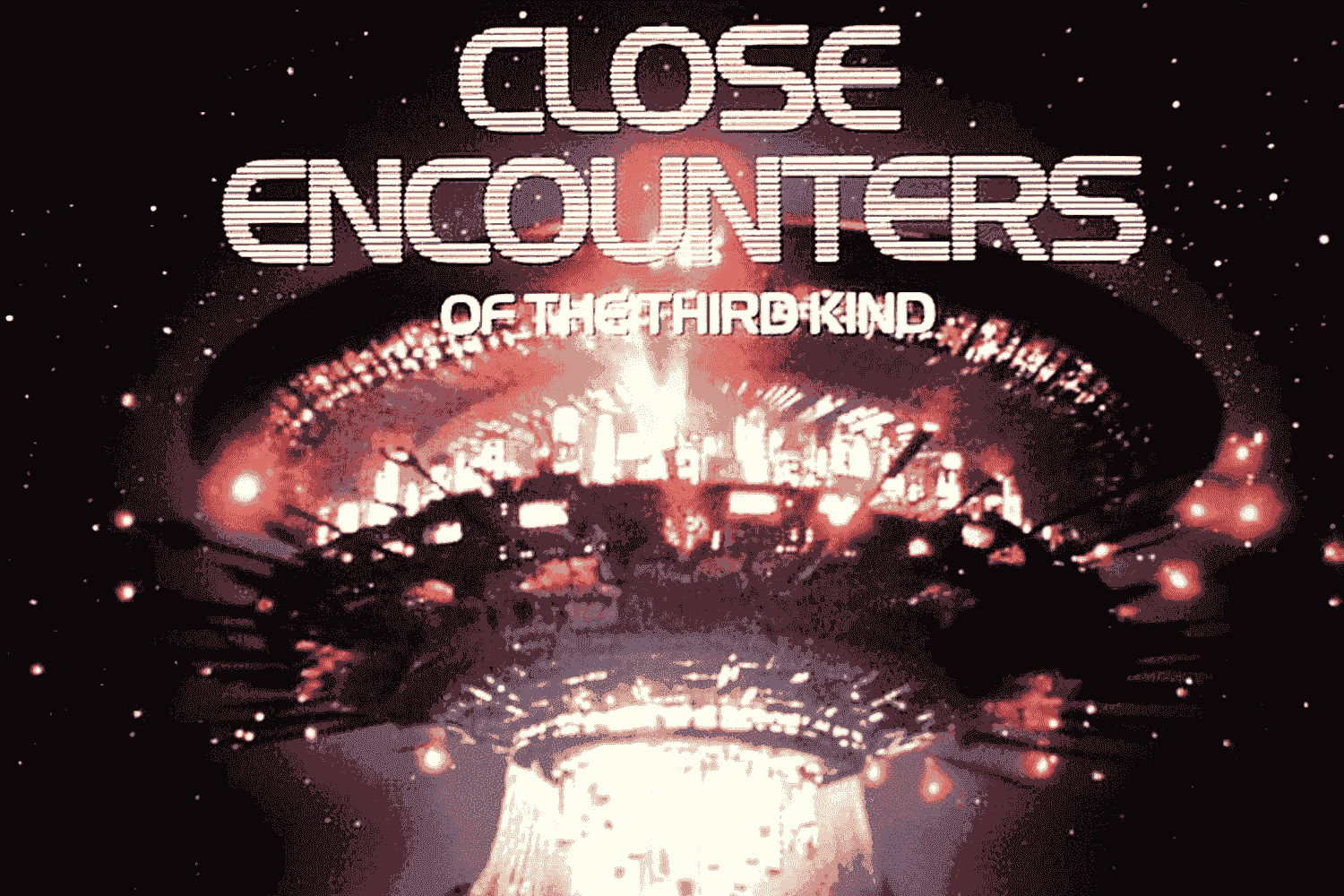
    Close Encounters Of The Third Kind: 1977

    close encounters of the third kind

    The stunning sequence of the landing of the alien mother ship. Do we need to say more?


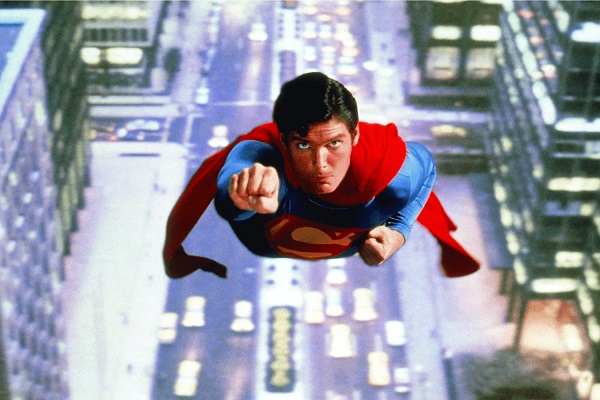
    Superman: The Movie: 1978

    super man the movie

    This movie featured some very innovative 3D like effects in the title sequence that was never seen before. Not to mention use of streak photography technique and zoptic camera. All this together, won this movie an Academy Award! It’s often considered one of the best special effects movies of its time.


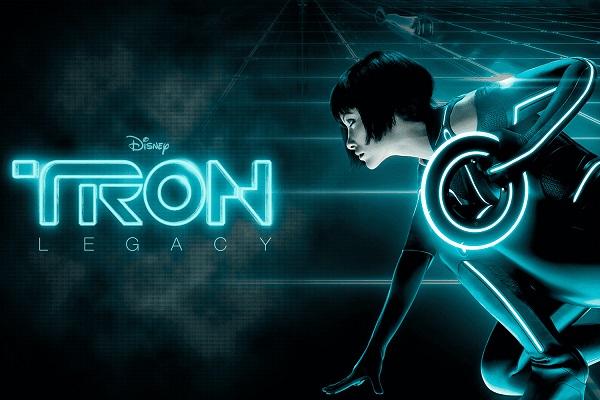
    Tron: 1982

    tron

    It wasn’t the first movie to use the CGI imagery but it was the first to adopt it at such a large scale!


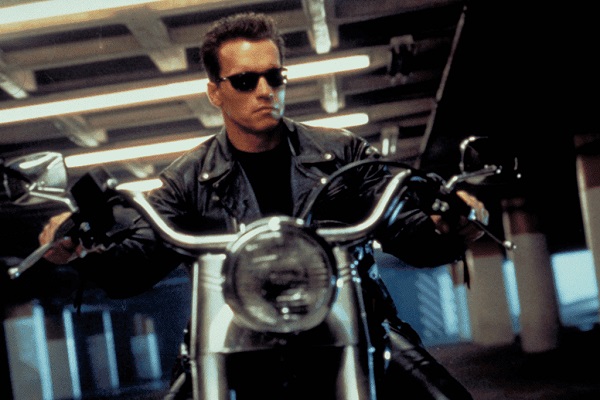
    Terminator 2: Judgement Day 1991

    terminator 2

    Morphing became the buzzword in the industry with creation of the T1000 that could change from the human form to a murderous metal. This unique effect revolutionised some of the best special effects movies of the era.


    Jurassic Park: 1993

    jurrasic park

    The CGI creatures in this movie marked the beginning of all the great things that was to come in the world of visual effects.


    The Matrix: 1999

    matrix

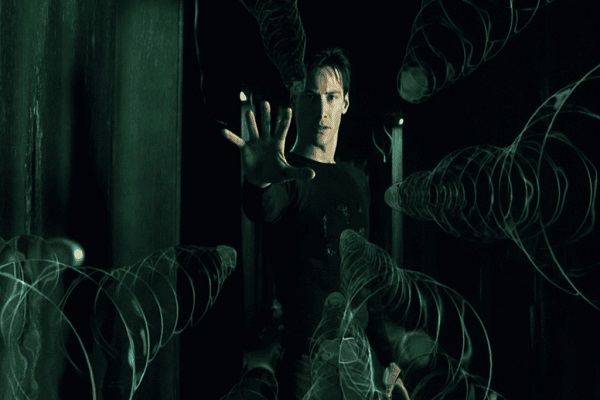
    This is where the world first saw the amazing slow motion bullet scene. It was recreated so many times after, that it became a little corny.


    Final Fantasy: The Spirits Within: 2001

    final fantasy

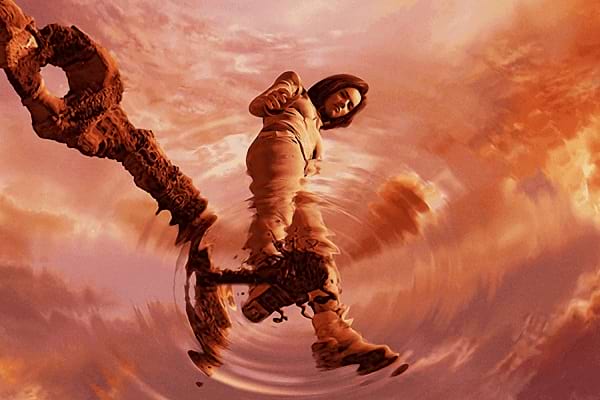
    This was the first feature film ever to used motion capture and create digital human beings.


    The Lord Of The Rings: 2001- 2003

    LOTR

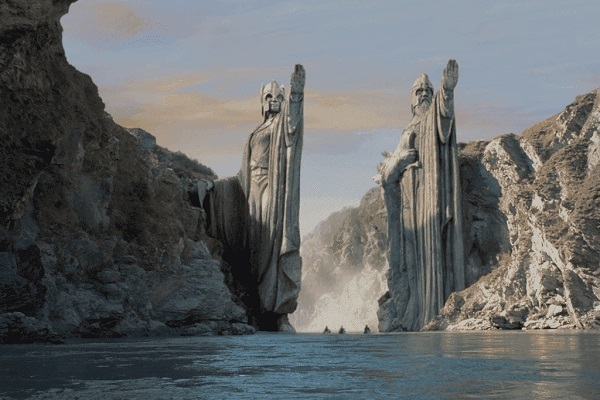
    Gollum made history in visual effects. To produce the character, they combined the forces of CGI imagery and motion capture.


    Spider Man 2: 2004

    spiderman 2

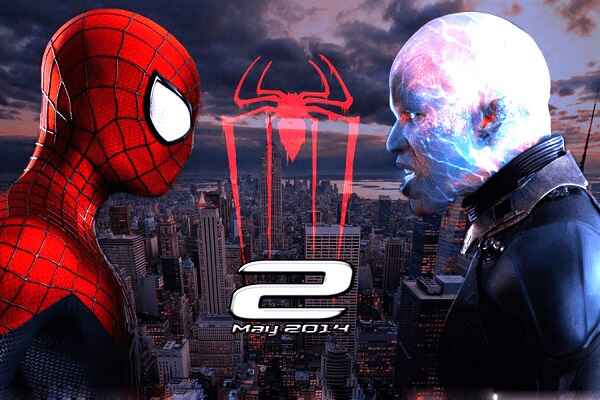
    Spider Man made a mark by winning the Oscars for the best special effects movie, beating even Harry Potter And The Prisoners Of Azkaban. Remember that epic struggle between Spider Man and Doctor Otto Octavius by the side of the tower?
    The best special effects movies often combine stunning visuals with gripping storytelling, and Spider-Man is a prime example


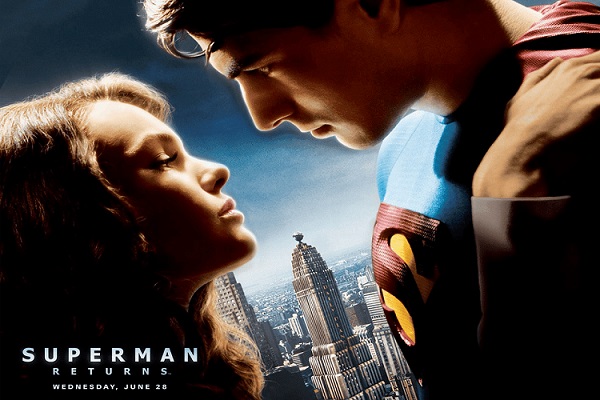
    Superman Returns: 2006

    super man returns

    The second in the Superman series used a body double of the character Superman along with a digital cape that was recreated using visual effects.


    Beowulf: 2007

    16309-movie-images-movie-pictures-movie-wallpaper-beowulf-wallpaper-1310_1920x1080 (1)

    This movie is an adaptation of an epic English poem made possible only by motion capture technology. This technology, widely recognised in some of the best special effects movies, turns live-action into animation.


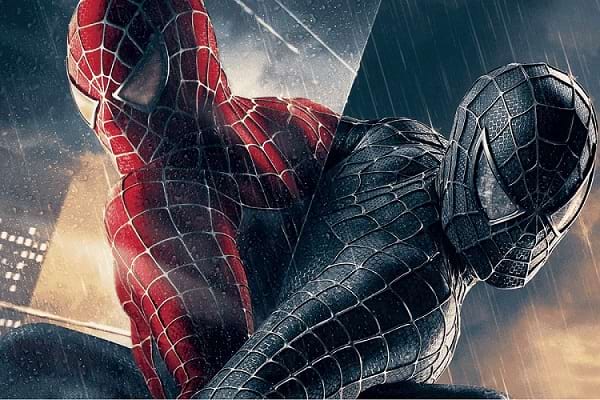
    Spiderman 3: 2007

    spiderman 3

    The third in the series, this movie saw all-new visual effects, with the scene where Sandman is born and all the scenes that showcase his shape-shifting abilities.


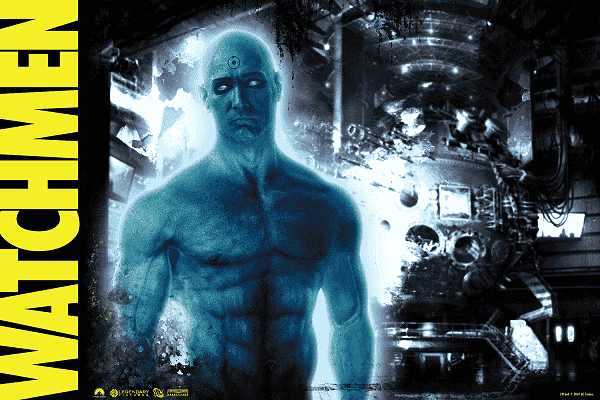
    Watchman: 2009

    Watchman

    Motion capture attained all new standards with the creation of the character Dr. Manhattan in this movie based out of a graphic novel by Alan Moore.


    Avatar: 2009

    avatar

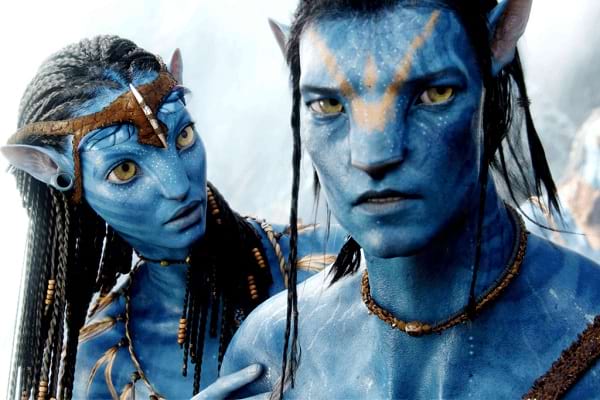
    In this one movie, the very standards of realistic CG creatures, 3D effects and performance capture technology was raised. We know that it can be done now and we want nothing less anymore.


    Harry Potter & The Deathly Hallows Part 1: 2010

    HP

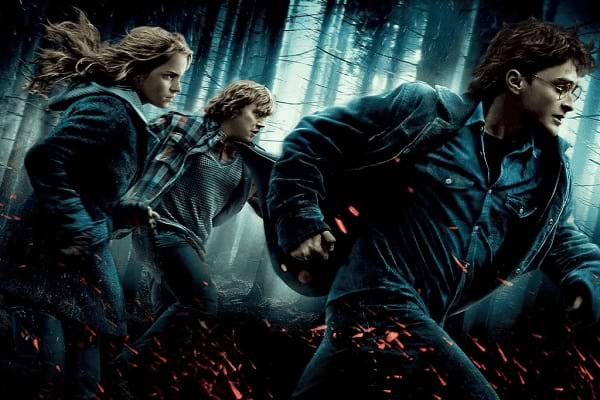
    The movie lost its place to Inception at the Oscars, but many of the scenes blended in with the story seamlessly, which was only possible with highly advanced special effects comparable to those seen in Star Wars. The most noted of the many are:

    • The scene where Harry’s friends drink the Polyjuice Potion to make it look there were seven Harry’s leaving Privet Drive at the same time
    • The illusionary vision Ron experiences when trying to destroy the locket-horcrux with the sword of gryffindor
    • The stunning animation witnessed during the narration of The Tale of Three Brothers

    The CGI characters of Kreacher, Dobby and Nagini-the python are all also a result of some spectacular special effects.


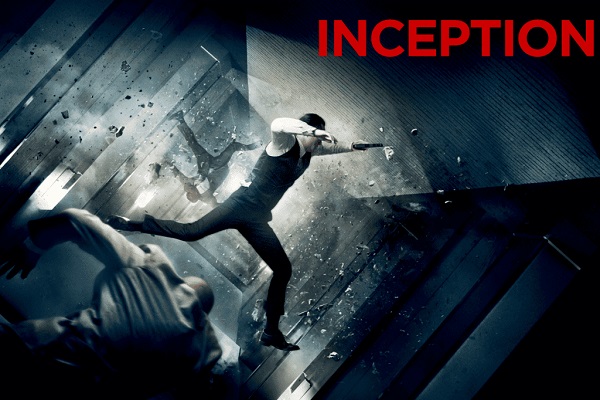
    Inceptions: 2010

    inception

    This suspense thriller on invading people dreams to implant ideas deserved every one of the four awards that it won. The entire movie is a scene after another of perfect integration but there are a few that stand out. They are:

    • The zero gravity fight scene in the corridor of a hotel room
    • The image of the Ford van falling of the bridge ever so slowly with the actors suspended inside
    • The destruction of the hospital fortress into a ball of fiery

    None of these could have been imagined as even remotely possible without the advanced techniques and special effects available today.


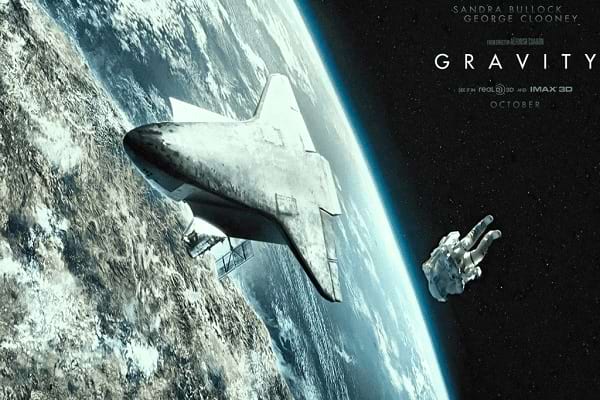
    Gravity: 2013

    gravity

    Set in space and about a woman’s struggle to get back to Earth, this movie combines such advanced special effects techniques that it leaves everyone stunned!


    Here is a salute to all the visual effects advancements that have made these amazing contributions a viewing treat!

  • 7 DIFFERENT WAYS YOU CAN USE ROTOSCOPY ANIMATION TODAY

    Like everything else in the world, rotoscopy has its own timeline of evolution.

    The Evolution of Rotoscopy and Animation

    This was the age when motion pictures were a rage! The early animators started making films that were nothing but a series of moving drawings. That is how Animation was born. It was around this time in 1915, that rotoscopy animation was first heard about. Max Fleischer made a series of movies named Out of the Inkwell, the earliest example to the concept. He would make his brother perform the movements of Koko The Clown and film it. And then would the trace over it frame by frame to produce the realistic effect in the movie. This was the new standard for all animated movies making that Max a pioneer in animation set. And it was just the beginning. Many early cartoons where later produced using this technique. One of the most remembered is Betty Boop in the 1930’s whose various movements including the hula hoop was captured using rotoscoping in film. Changes made to text

    Till time passed into the mid-20th century, it was still only used to bring more complex movements of humans or animals to the screen. However, in the 20th century, rotoscoping in film became more prominent as production houses started using it in numerous large scale productions. Walt Disney used the rotoscoping technique in the making of larger movies like the Snow White and the Seven Dwarfs. Beatles used it make the video of the track the Yellow Submarine. And many animated movies followed suit. The reason rotoscopy animation wasn’t used extensively is that it was very difficult to do. Every movement had to be traced over frame by frame and a steady hand was needed to accomplish this. Without a perfect trace, the image would come out wobbly. This is used today to a more stylish effect at times but it wasn’t taken into consideration a lot back then.

    Then the modern times arrived and the computers began to take over. The rotoscope animation was becoming a thing of the past but the rotoscoping technique stood its ground. The first two in the most notable of list were the movies Walking Life and Scanner Darkly. There have been many movies that have followed and used this technique to create captivating results. But what can you do different with rotoscopy animation?

    Inspiration: What Can You Do With It Today

    The first of showings was with the Beatles and their track Yellow Submarine. It was a wave. They changed the very way people viewed music not only for their generation but also the generations to come. But that wasn’t all. They also contributed what was among the very first music video made using rotoscopy animation. Here is a list on what has been tried since then!

    Tron: The legacy

    It is a movie but it is one of a kind. Rather is among the few first ever made of the kind!

    https://www.youtube.com/watch?v=6HcsDc_9LX8

    Lord of the Rings cartoon 1978                   

    It is a cartoon like so many more but stands out owing to the exceptional work done with the rotoscopy. Take a peek. The characters movements are so human that it simply cannot be missed.

    https://www.youtube.com/watch?v=6WcJbPlAknw


    But why limit yourself to movies or cartoons, when you can do so much more! Here are a few unforgettable music videos that adopted the same technique.

    Take Me Home – Never Gonna Stop

    This music video was made for the band Take Me Home. Whether you have heard the song or not, the video is a must watch for any admirer of rotoscopy and animation.

    https://www.youtube.com/watch?v=DGx-5A3onb0

    You Got Me Up – Jamie Lidell

    Another music video we admit, but the cat and its attempts to escape are as realistic to look at as possible!

    https://www.youtube.com/watch?v=O0h0pvjVSzo


    And their is still more that you can do.

    Guns In The Film Noir

    How do you show violence without showing too much violence? Rotoscopy!

    https://www.youtube.com/watch?v=89QnMwfWn9g


    Detective Story

    Why limit yourself to a short movie? Why not try out a few short animations? That is exactly what was done. Another short animation from Film Noir.

    https://www.youtube.com/watch?v=_3EXWtZ6n8U

    Video Game Avatar

    Why stop with just a short animation? Go a step further and make a game!

    https://www.youtube.com/watch?v=KHPPahbt2Ig


    Any other ideas on how you can use to rotoscopy animation to create something different? Do tell us!

  • 10 CORPORATE FILM PRODUCTIONS THAT HAVE MADE A DIFFERENCE

    In our previous post, we spoke of the top five reasons every brand needs a corporate film production featured under their belt. However, there is still one question that lingers in everyone’s mind. Do you really need it? What is the value add? The answer is simple. A video that represents what you stand for can make a world of difference. It changes how target audience perceives the brand in a matter of minutes. Don’t believe us? Take a look a list below.

    1.   Go Pro

    The best way to tell people what your product can do is to just show them! And worked like a charm for Go Pro. This video on their Product Hero3 connects with the target audience to the T. It focuses on the lifestyle, the ease of use with quality along with the sense of adventure.


    2.   Dove Real Beauty Sketches

    The very basic rule says that the best way to make a video go viral is by forming an emotional connect with the audience. That is why this is probably one of the most viral videos that has ever surfaced on the internet. Dove scored big time brownie points with the women it targets with this one!

    3.   Seimens

    Instead of writing a 20 page document make a video. It works better. Seimens proved it. This video does a great job at showing everyone exactly what this MNC is capable off and why they stand ahead of their competition.

    4.   BDO Cayman Islands

    Take a leaf out their book! This is how you celebrate an 10th anniversary period. Not only did they tell everyone what they managed to achieve in 10 years in a little over 20 minutes but they also made them laugh their way through it.

    5.   Metro

    Teenagers do not like to be told what they should. So how do you get them to listen? Make a funny video with dark humour and a catchy tune. This is what Metro did with their safety video for trains and it worked like a charm!

    6.   Ojai Taxidermy

    What you need to do is make a point. And then tell everyone how you can make it happen along all the verticals. This is the best way to bring forward your core message. If you can make it funny too. Then everybody hears you loud and clear. This video is proves this point.

    7.   Hubspot Marketing

    Again the best way to prove that your product is the best is by showing people everything it can do. Hubspot marketing used this exact same principle and it worked like a charm again!

    8.   Canal+

    They called this one the power of a good story. This video is intriguing, thrilling and captivating. In the end, it also presents the message loud and clear. Canal+ wanted to say that creativity goes a long way and that is why they are best. Well they said it really well!

    9.   Red Bull

    Who would have thought! When this video titled the athlete machine – klunge starts off, it all it seems to do is show a bunch of insane moves that very few in the world can pull off. But at the very end, a simple product placement turned Red Bull into one of the coolest brands ever! Target audience captured and sold to in absolutely no time.

    10. Who Gives A Crap

    Who said corporate films are only for the big and the mighty. Look at what these guys did. They told you exactly what did, what charity they are associated with, asked for your help and made it funny! All that in a couple of minutes only.


    How can you not be convinced that a good corporate film production is a priority after this? Time to take the plunge!


  • Beginners Guide: How To Create A Simple 3D Animation In 6 Simple Steps

    1 (2)

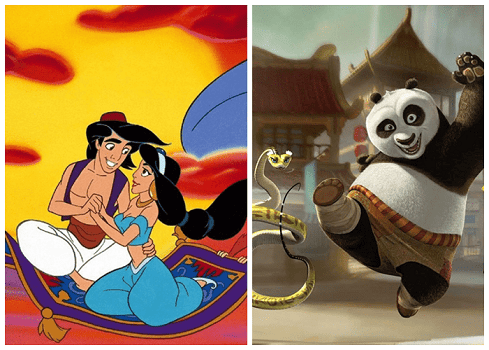
    You have never missed a show of Aladdin, ever! And neither have you moved away from the TV when a Kung Fu Panda movie is on. They are both animated movies. But what differs about them is how we feel at the end of it! In a 2D animation, the story that the character is a part off becomes everything and we root for him. Haven’t we always cheered Aladdin on as he fights to beat the bad guys and save the kingdom? In a 3D animation, we fall in love the whole story and wish for Po keep Kung Fu alive, of course. But we also love the little nuisances about the character that can be brought to the fore front here. Po and his adorable star struck silliness can never be forgotten! To create memorable characters like these, you should explore how to create 3D animation and experiment with simple 3D animation techniques to start your journey.
     

    What brings about this difference?


    Let’s talk a little bit about the 2D and 3D animation creation process with respect to the basic differences in between them.


    • 2D animation is heavily dependent on drawings while 3D animation is more software intensive, where a virtual mise en scene is created based on pre-viz 2D drawings.
    • In a 2D animation, if you are drawing someone walking, the portions of the frame that you cannot see can be ignored. This is not something that 3D animators can afford to do. It is all one big frame where every little detail takes precedence.
    • Another point to keep in mind is that one second of animation has about 24 frames in it. In a 2D animation when the change in movement is too little it is okay to use the same drawing for a few frames. It looks like the character is not moving and that is fine, because 2D has developed its own style over the decades which the audience has accepted. Whereas in a 3D animation, when a character seems completely still, it is an awkward sight. Can you image little nemo’s dad just holding still there for a few seconds while he desperately looks for his son? This makes the animation tougher to create. It allows the animator to bring in small yet subtle changes sometimes in the expressions on the face or maybe the posture of the character, adding an element of emotion and life.


    And it is not impossibly hard to do either! Obviously, it would be hard to meet the Disney quality at the very beginning but we can start simple and work our way up. Here is how you can start by creating a small bit of animation.

    If you’re questioning how to make 3d animated videos, start by studying the fundamentals of how to make 3d animation. Once you have a solid understanding of the foundations, you may progress to more complex approaches and finally learn how to create 3d animation like a professional. Starting with a simple 3D animation project will allow you to gain confidence and abilities.


    Step by step guidelines

    Keep in mind that every animator has his/her own style. But while you are still finding your footing, it is best to follow a general procedure that will help you deliver better results.


    Step 1: Find a reference video

    This is by far the most important step there is.

    You might think that you know an action well but as a designer you will look at it from an entirely different perspective. Make sure you look up references before you begin the creation.

    The whole process will feel like you are shooting blind if you skip this!


    Step 2: Identify the important poses that define the animation

    The next step in line would be to identify what are known as the defining poses.

    These are the individual shots that people can look at even without the movement and figure out what is likely to happen. Like in a comic book strip. They aren’t moving but all the right actions are emphasised on. Put the key poses out like a strip and they should tell you a story.

    Once you have identified these, it is essential to get them right. This step is as important as laying the foundation of a building! It simply cannot be wobbly.


    Step 3: Add in the poses that fill in between

    Next in line is adding the intermediate poses between the defining poses.

    Intermediate poses are what we place in between the key poses that make the animation look as close to an actual movement as possible in the step mode. Step mode is the stage where we don’t still allow the computer interpolation between the frames due to which it will seem choppy.


    Step 4: Connecting the defining and intermediate poses.

    In this stage, we allow the computer to interpolate between each step, making it seem smoother.

    Titbit: The computer could be better at this interconnection, so you need to ensure that you do an excellent job with the blocking.

    Now that we have our animation connecting together, it is time to focus on making it even smoother.


    Step 5: Introducing a flow to the animation

    This is the time to ensure that all the curves are correct and that the animation doesn’t seem too abrupt. By the end of this step, the animation must look almost done.


    Step 6: Adding in the human touch

    This is the part that makes 3D animations super cool.

    Here is where we add all those tiny gestures that makes the world of animation seem more real. It is best to use this stage to add in the elements that make the action seem more believable.


    And if you look at your screen now you have a 3D animation staring back at you!

  • They watch! They Book! -The Charisma of Video Marketing!

    Marketing strategies have evolved over the years. Newer and better technologies have replaced age old methods of marketing. And as we talk about the latest marketing trends, one can’t really miss out on Video Marketing.  And when it comes to the hospitality sector, Video Marketing is extremely essential as your customers, believe what they see! And if pictures speak a thousand words, a video speaks a million more!

    The invention of the internet opened the gates to online marketing and enabled a much wider reach. However, the absence of visual experience and physical perception was sorely missed. This gave rise to a series of more inventions and innovations towards what we may call a more visual internet, and in other words, online video marketing.  Let’s have a glance at the merits of Video Marketing.

    • According to a research a video attracts 30% more viewers!
    • Visitors stay 40% longer on your website and the conversion rate is 30% greater!

     And if these merits are not enough, here are a few more:

    • Increases traffic to the advertiser’s website by 55%
    • Increases physical visit to the place of business by 30%
    • Incidence of booking is increased by 24%

    There are a hundreds of reasons why investing in video marketing is a smart move. Let’s have a look at a few of them.

    • Videos help you in having a varied marketing strategy
    • Interesting videos help in engaging the audience
    • Videos provide a fresh way to reach your audience
    • It helps in attracting large number of visitors
    • Videos boost credibility and trust
    • 3G and 4G networks have made it easier to watch videos, which turns out to be a major reason for people turning to videos

    Online videos have changed the marketing scenario in the hospitality sector as more and more customers are showing a lot of appetite for online videos. The trend in the current generation is to watch a full-fledged video rather than web banners/ advertisements.  360 degree video tours, video blogs etc are the in things today in marketing and have proved to be enormously successful.

    But at the same time it is very essential to make an engaging video and placing it strategically on your site so that your audience says glued to the screen and the conversion rate is expedited. A professional studio with a proven track record plays the most significant role in creating videos that not only engage the audience but also increase the conversion rate which is our main objective.  Toolbox Studio with its award winning work, exceptional track record of hugely successful films and professionals who are masters in creating world-class content stand out as inarguably the first choice. Toolbox Studio works on the project right from the scripting stage where a lot of research goes into in deciding the right strategy to enable the video to reach and impress a larger number of potential customers. Highly trained and experienced professionals and the state-of-the-art facilities at Toolbox Studio make it easier to convert any idea into a finely finished product.  And a well crafted video is half the battle won when it’s about video marketing.

    Video Marketing is the right platform to showcase your hospitality business and Toolbox Studio is the right vehicle to get your dreams to the right destination!

  • Metamorphosing Marathi Cinema: The VFX Factor Revolutionizing the Industry

    Marathi films have witnessed a stupendous growth in the last decade, not only in the number of audience visiting the screens but also in technology that has taken the whole experience of watching a Marathi film to an all new level. The films today are far beyond the typical slapstick comedies and are more logical and futuristic. When we say futuristic, we don’t mean that they are delivering something at par with Hollywood but at least the thinking and the approach is right. And who knows, in the coming years they might reach that level too.

    The movie ‘Shwaas’ really pumped some oxygen into the ‘about to die’ Marathi film industry.  It broke the clichéd boundaries and made Marathi people visit the screens to watch the movie. Such has been the transformation after Shwaas that multiplexes today are not hesitating at all in providing screens for a   Marathi film and even non-Marathis are going to a multiplex to watch a Marathi film which is good and has subtitles. Films like Fandry have even gone beyond this and have made their mark at various International Film Festivals and have been successful in creating a huge fan base. Just check out the Facebook page of Fandry and you will be amazed at the response it has garnered. And one thing that many of us won’t have noticed is that Marathi films have been winning National Awards on a consistent basis since the last few years.  Unbelievable, isn’t it? But the big question is… what has brought this transformation? Of course, logical and out of the box scripts, good direction, better music and lyrics are the obvious answers.  But what really skips our mind is the main reason that a film ‘catches our eye.’ The Visual Effects!

    Marathi film producers are more open to innovation now and they have understood the importance of VFX in a film. In the Marathi Film Industry where the budget has always been a constraint, the producers are now reserving a good amount to be spent on quality VFX.  Because every penny spent on VFX eventually generates an output that’s worth a much more!

    Who would have imagined that someday a movie like ‘Aajoba’ which is based on the life of a leopard will be made in Marathi? But today such movie has not only been made but it has garnered rave reviews as well.  Films like Pune 52, Pitruroon, Time Please, and Salaam have impressed not only on the script level but have appealed visually too. And the common name behind the movies listed above has been …Toolbox Studio!

    Toolbox Studio, Pune is one of the best studios serving customers for films, post production and animation technology. With an imaginative eye, it offers top-quality VFX and CGI for Films, Titles, Commercials and more. Toolbox Studio animation studio is proficient in handling full length feature film VFX, and it provides additional value to commercials, promos, and TV commercial with its unique VFX team. Right from pre-visualisation to 3D asset modelling, 3D animation, rotoscopy, matte painting and compositing…Toolbox Studio nurtures every element with the best expertise available resulting in the final output to be worth applauded. While you must be wondering about these terms and how Toolbox Studio is exceptionally good at it, let’s try and resolve your doubts.
    • Pre-visualisation: Interpreting the director’s vision, understanding the spectrum of film making, knowing the in and outs of camera and lens selection and understanding the importance of lighting in storytelling is of utmost importance. And Toolbox Studio with its in-house team and live action endeavours does it the best!
    • 3D Asset Modelling: At Toolbox Studio, they create 3D assets such guns, vehicles and many imaginary 3d models according to directors vision. Toolbox makes visualization easy for you by making tailor made 3d assets. Thus Toolbox is first choice of directors.
    • 3D Animation: VFX is a combination of live action shoot and animation. Toolbox Studio with its on-set supervision, concept art imagery yet realistic characters and high quality animation at an affordable cost makes it easy to come out with the best VFX.
    • Rotoscopy: Rotoscoping is an animation technique in which animators trace over footage, frame by frame, for use in live-action and animated films. Toolbox Studio utilizes every available global digital technology in an effort to make its services cost effective while focusing and delivering the highest possible creative and effective approach to film vfx.
    • Matt Painting: A matt painting is visual representation of any given place, real or imagined, that is too expensive to recreate or far away to visit. Such artworks are necessities in creating realistic backdrop for films. Toolbox has created breath taking matt painting for lot of film projects.

    Compositing: compositing is about making complex, visual masterpieces driven by director’s creative vision. With its master compositors, Toolbox Studio delivers more value to its clients. With dedicated resources and team of visual effects artist it specializes in 2D, 3D and stereo compositing that includes-

    • Green screen compositing
    • Motion graphic design
    • Set extension
    • Beauty enhancement
    • Paint

    Toolbox Studio has been contributing quite outstandingly, not only to Marathi films but also for International films since 5-6 years. Movies like Pune 52 and Pitruroon have enthralled the audience with their visual effects and have proved to be a benchmark to look up to. And the credit goes to the Toolbox Studio for creating the curiosity and the eagerness to watch these films right from the day the trailer was launched.  And same is the case with Toolbox Studio’s other creations like the very much acclaimed movie Salaam, Time Please, Koknastha to name a few.  And there are more in the making like ‘Gurupournima’ and ‘Baaji’, which will surely take the industry to an all new level

     Toolbox Studio has enabled films to be technically strong and it has fetched much better results for them in terms of appreciation.  And going by Toolbox Studio’s portfolio and the hunger of the Marathi film industry to grow, one can’t really expect anything less than ‘world class’ in the years to come!

  • Maximizing Customer Reach: Essential Strategies

    Maximizing Customer Reach: Essential Strategies

    LinkedIn recently announced that the users will now be able to upload video Ads too. Until now Linkedin displayed only images or text for advertising. But now that it has rolled out global video advertising too, let’s see how it can make a difference to the social media marketing scenario and more importantly, how it can help your business.

    Linkedin is one of the most popular business-oriented social networking services.  Launched on the 5th of May 2003, it already had 259 million acquired users spread over more than 200 countries as of June 2013. So you can expect your Ad to reach out those millions out there, but what is more important is, you can be rest assured that your video Ad reaches the right audience too.  With the video Ads, advertisers will be able to import videos or use existing YouTube videos. Ideally, using video Ads will up advertisers’ presence on YouTube since their audience will grow with the addition of Linkedin’s users.

    Linkedin boasts of millions of profiles belonging to various categories; this helps you in segmenting and focusing on a particular segment as per your business needs and effectively targeting the decision makers. Moreover, creating an Ad on Linkedin is pretty simple.

    Creating a video Ad is similar to creating a text advertisement, except you select Video from the Media Type dropdown.

    If you’re a new advertiser:

    1. Move your cursor over Business Services in the top right of your homepage and select Advertise.
    2. Click Get started.
    3. Click Create an Ad
    4. Under the Media Type dropdown, select Video. Name the campaign; add your headline, description, and YouTube.com video URL.
    5. Click Next.
    6. Select the target audience for your Ad and click Next.
    7. Set a daily budget and bid on how much you’re willing to pay for each video view.
    8. Click Save Changes in the bottom right.
    9. Enter your billing information.
    10. Submit the Ad for review.

    If you’re an existing advertiser:

    1. Move your cursor over Business Services in the top right of your homepage and select Advertise.
    2. Click Manage to go to your Campaign Manager.
    • You may be prompted to sign back into your account.
    1. Click Create new campaign in the top right of your Campaign Manager.
    2. Click Create an Ad.
    3. Under the Media Type dropdown, select Video. Name the campaign; add your headline, description, and YouTube.com video URL.
    4. Click Next.
    5. Select the target audience for your Ad and click Next.
    6. Set a daily budget and bid on how much you’re willing to pay for each video view.
    7. Click Save Changes in the bottom right.
    8. Enter your billing information if you want to update or change information.
    9. Submit the Ad for review.

    The Cost?

    When creating a video Ad the advertiser will be able to set a maximum Cost Per View (CPV) bid. This means that the advertiser will only pay when a member clicks to play the video. The minimum CPV bid for video ads is $4.00.

    So it can be said that video advertising on Linkedin is quite cost effective as it offers you a vast yet focused reach.   So when the next time you think of using the social media for advertising your brand, make sure that your brand is linked in effectively with your potential customers.