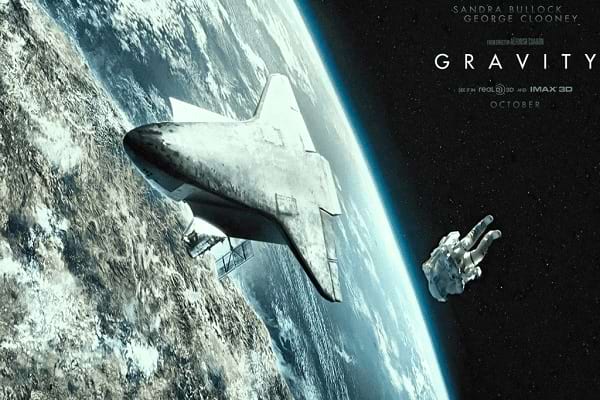
Category: Film VFX

  • 87th Oscar Awards: VFX Contenders in the Race

    oscars, visual effects


    It is that time of the year again. The Oscars are right around the corner and we cannot wait to find out who made the cut this time! Exactly five days from now, is the scheduled bake-off where the experts will see a 10 minute excerpt from each contending movie. Of these 9, only 5 will move on to be the top 5 contenders who get a shot at holding the Oscar.


    Top VFX contenders for Oscar nomination


    In no particular order, here are the movies that have made it this far.


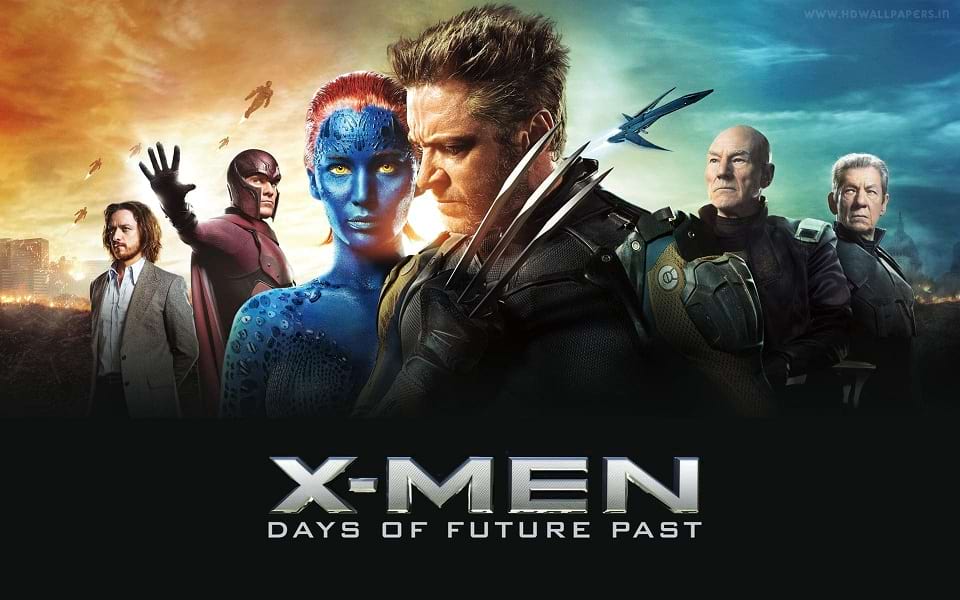
    X-Men: Days of Future Past

    oscars, visual effects

    The X-Men movies have depended upon the use of visual effects for quite some time now and nothing has changed with this part in the series. The movie shows the journey that the characters need to take to change the past so that the human race, mutant or otherwise, can survive in the future. Sounds complicated right. It made sense on screen only because the visual effects rocked!

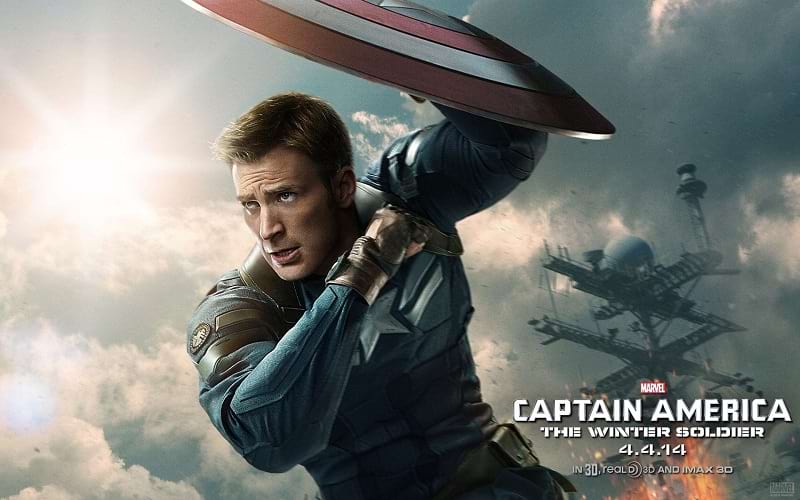
    Captain America: The Winter Soldier

    oscars, visual effects

    Just as the Steve Rogers struggles to understand the modern world that he has woken up too, he has to team up with the Back Widow. Together it is now up to them to stop an assassin from history known as the Winter Soldier.

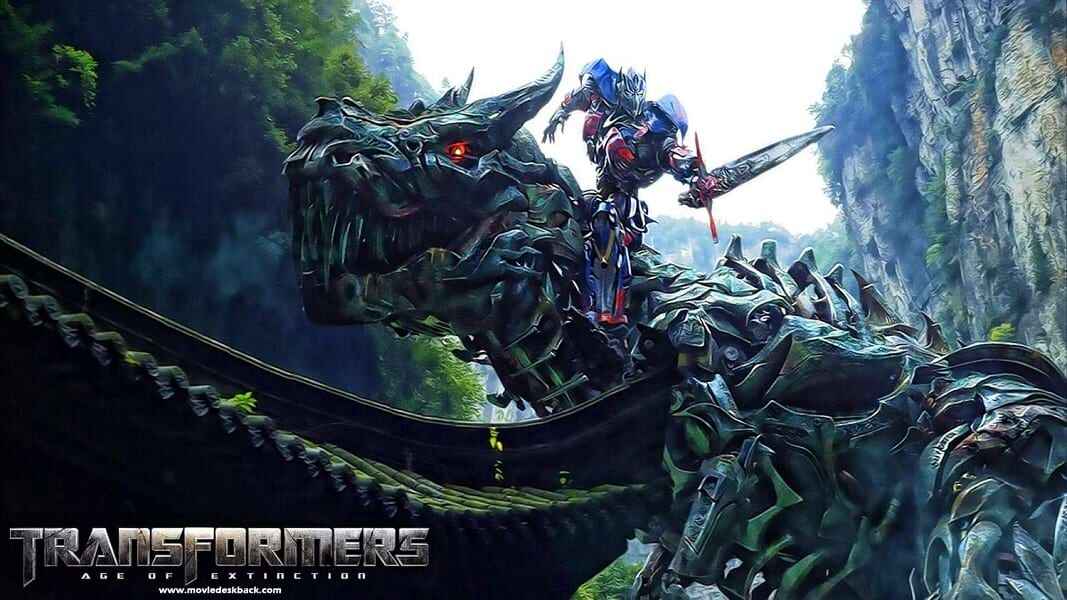
    Transformers Age of Extinction

    oscars, visual effects

    This last part to be released of the transformers franchise was not received well by the audience. It has the lowest rating any movie has ever gotten by critics and the regular moving going crowd on the rotten tomatoes alike. If there was, anything that people spoke well off was the visual effects in the movie. This movie is certainly not winning the Oscar for anything else so we do hope it at least makes it through to the final five at the very least.

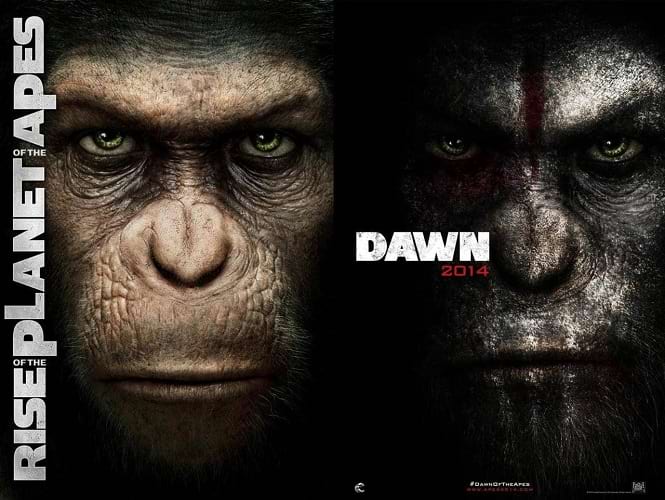
    Dawn of the Planet of Apes

    oscars, visual effects

    When a pandemic disease wipes out the planet, the apes who survive the disease are left to fight the human survivors 10 years later. How do you think this movie would have fared without visual effects supporting it? We never need to think about it because it was simply wonderful with it.

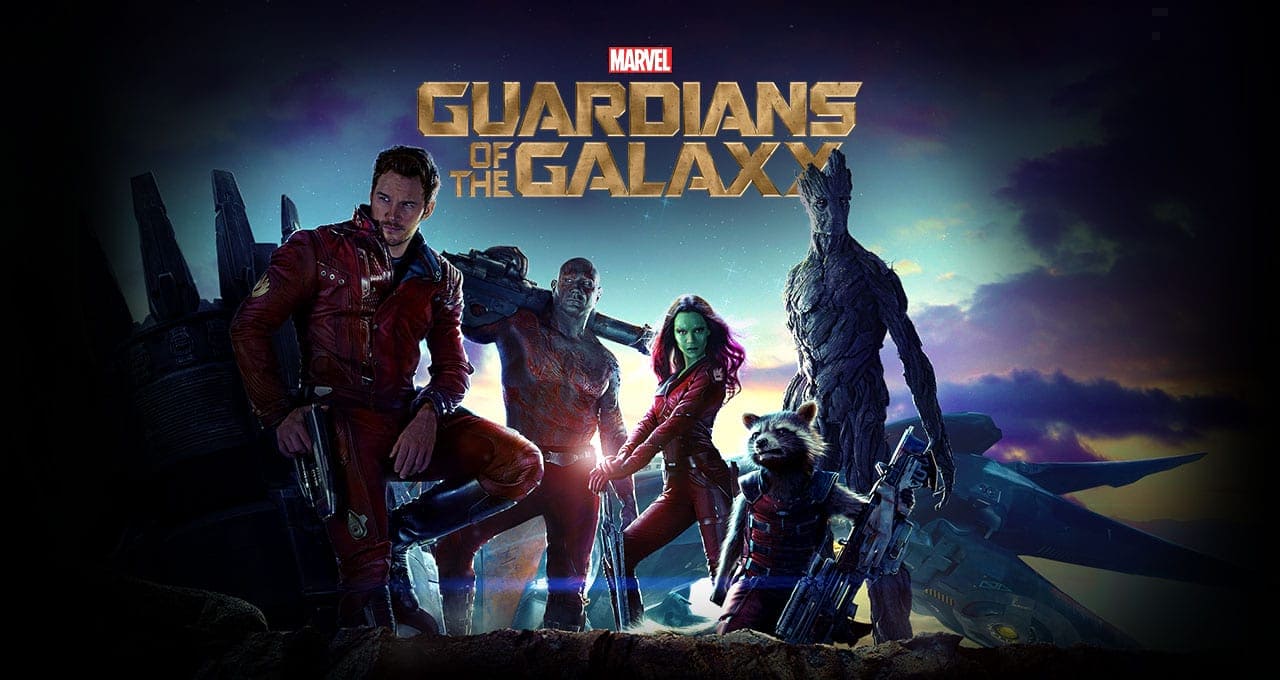
    Guardians of the galaxy

    oscars, visual effects

    When fanatical alien wants to take over the entire universe, it falls in the hands of four criminals to protect the innocents and play guardians for a change. Set in space, this is another movie that would be nothing without VFX.

    Interstellar

    oscars, visual effects

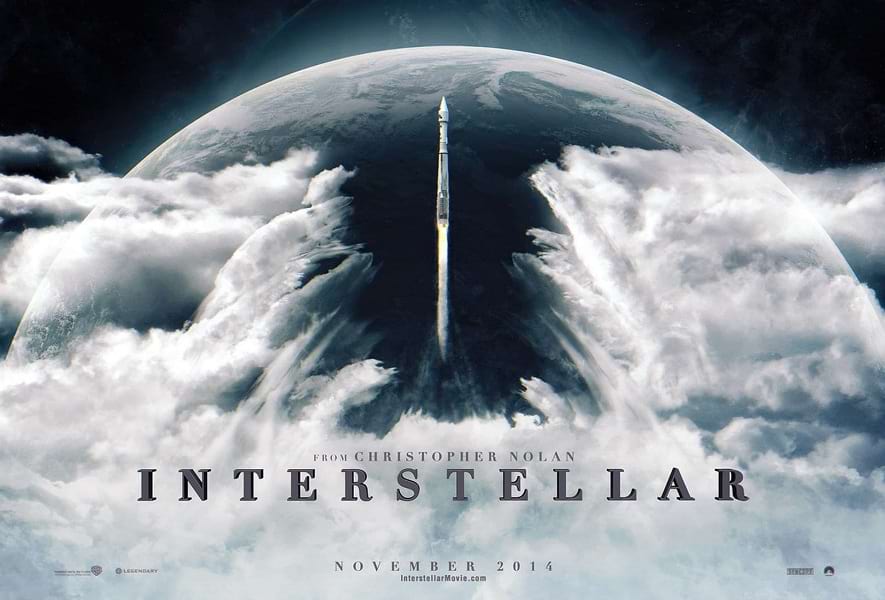
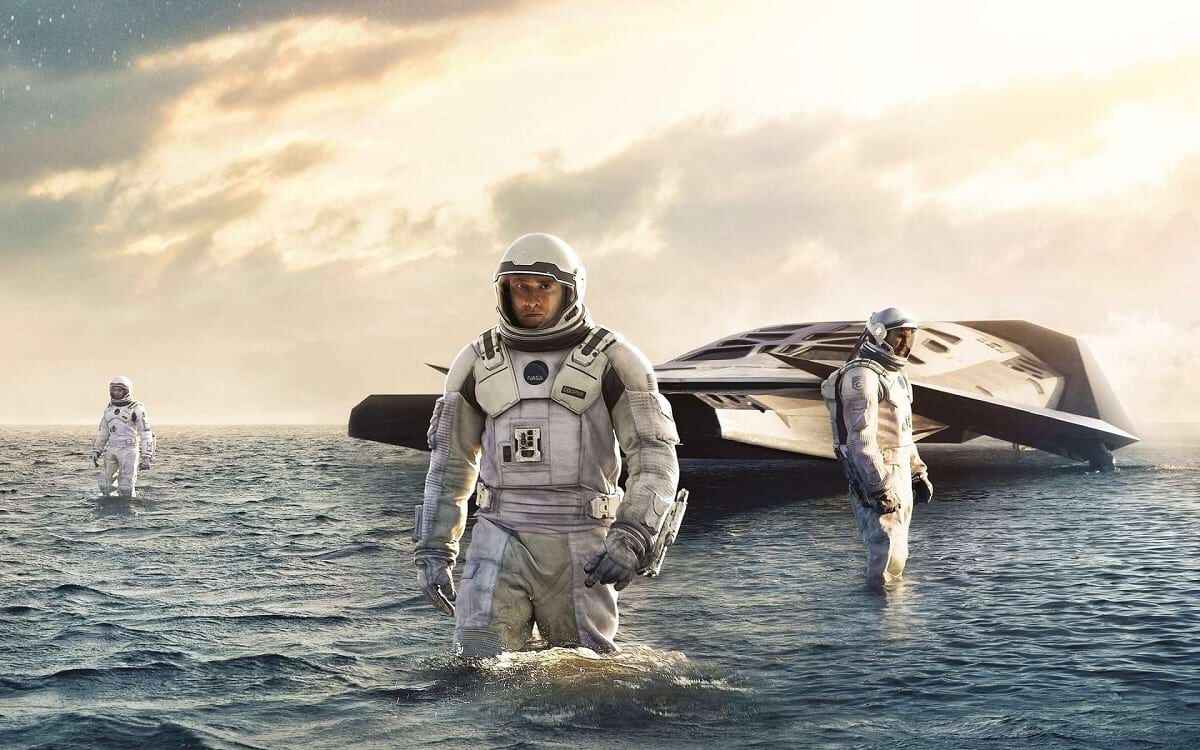
    Set in times when the human species is about to be wiped off the planet earth due a crop failure, the movie is all about how a team of astronauts travel through a wormhole hoping to find a planet that could sustain human life. They not just made the wormhole with the visual effects but the black holes and the planet that they were to reach too! This movie was most certainly a stunner.

    Maleficent

    maleficent

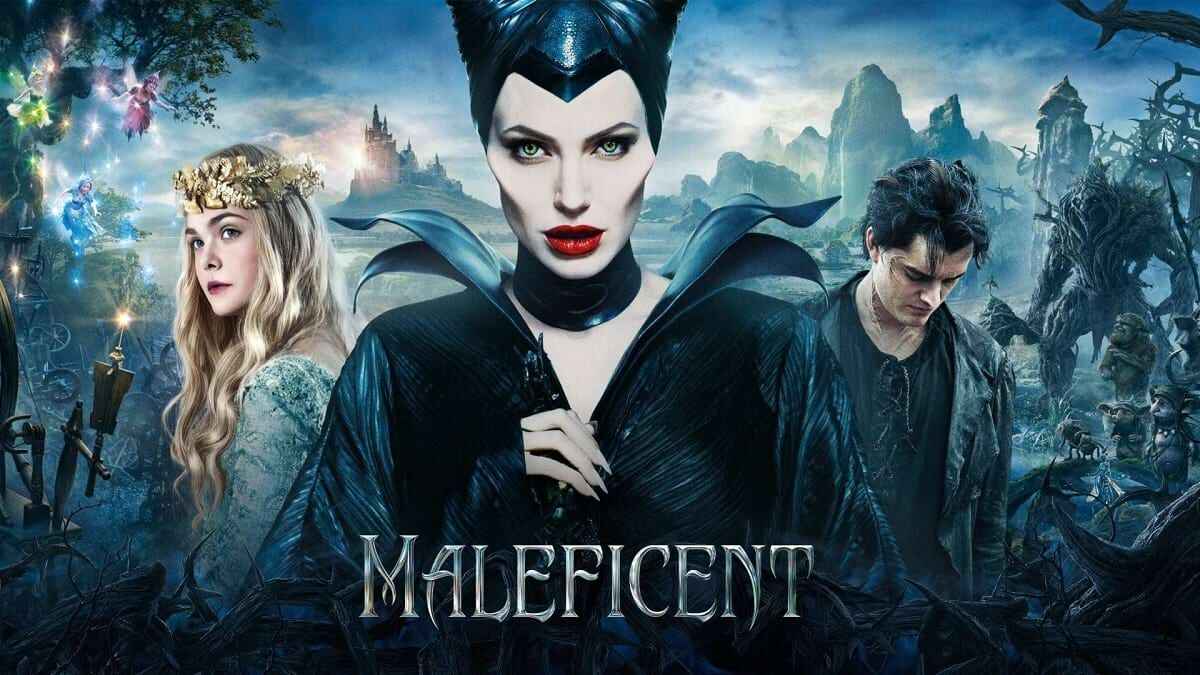
    Sometimes magic can be the cause of the problem. And that is what happened when a vengeful fairy curses a princess who is the only one who could bring peace to the land. And we don’t need to tell you how good the visual effects in this movie was!

    Night in the Museum: Secret of the Tomb

    oscars, visual effects

    Larry needs to save the magic that brings the museum to life after dark. As he does it, he also brings together beloved old and new characters. Do you think one will make it through?

    The Hobbit: The Battle of the Five Armies

    oscars, visual effects

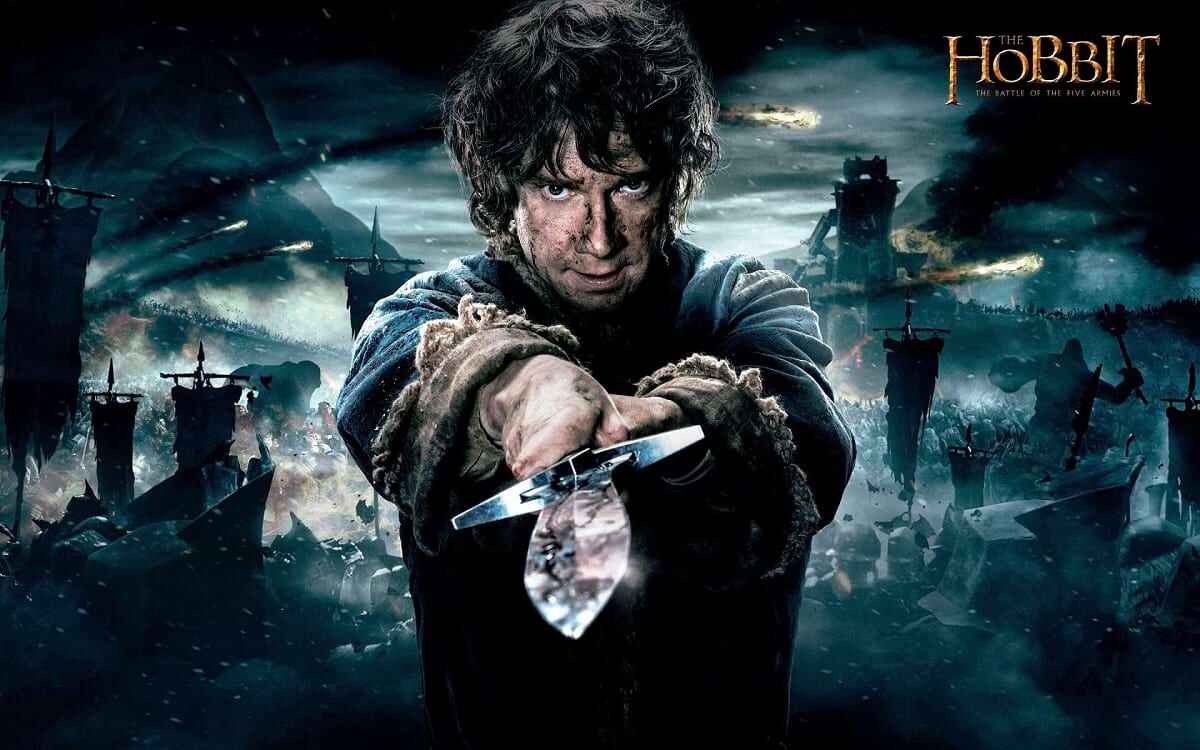
    After they won the Lonely Mountain back, it was time to protect it against the darkness! What did you think of the Hobbit?


    Many say that the one movie they are sure will make it through is Interstellar and the remaining four spots shall be a battle to the death! Do you agree with them? We can’t wait for the 10th of January to find out who the five nominees will be!

  • What makes the Visual Effects in Interstellar so real?

    Interstellar, visual effects

    It isn’t the fact that the visual effects was good, it is the fact that it felt so real that made the movie great.

    To explain this statement, we take a short detour into the visual effects that were created for the movie. The story based on the life on a more dystopian earth which is about to see the end of mankind due to the failure of all crops. The leading man Mathew McConaughey and his crew are hired for one last trip into space to locate a planet with living conditions that the human population could survive on. But the humans don’t even have the technology to meet the speed needed to get there in time, forget travelling faster than that! That is where the wormhole and black hole came into the picture. They had to depend on a black hole they dubbed the Gargantua to sling shot them that far through a wormhole. We all know that a black hole is caused by a dying star when the matter is squeezed so much that the gravity created around it is too strong even for light to escape. A wormhole also known as the Einstein-Rosen Bridge is a funnel with two black holes as its mouth. The first step to realism was the effort that was put into creating these natural phenomena. Let us first talk what made them different from anything that was done till date!

    The visual effects created for Interstellar

    Wormhole:

    Creating the wormhole was the first step they took towards the making the visual effects realistic. And the first challenge they faced. Rendering software’s function under the assumption that light travels in a straight line. But that is not how it works in a wormhole. The question they were left with was how does it behave? To solve this trouble, Kip Thorne the genius behind the science in the movie, was asked to give a set equations that would define the real physics. Using these equations, the team prepared a new rendering software that would create the wormhole. The result as we see was spectacular!

    Black hole:

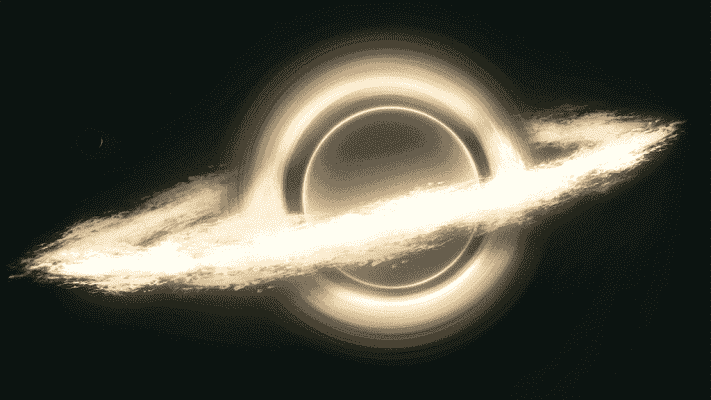
    Finding courage in their success in building the wormhole, the team tried the same approach for building the back hole Gargantua which spins with the speed of light. And the second major trouble reared its head. How does a software that works on the principle of light travelling in straight lines create a phenomenon that is known to eat light and never spit it back out? For this again, another set of guiding equations was needed to create the brand new rendering software was programmed. Nolan thought of selling the idea that black holes were spherical, but the result they got was a disk. Not only did it turn out as a disk, it also showed that the accretion disk due to the wrapping around the black hole instead of being flat turned into an extraordinary halo! Of course they went with that too, realism being the target.

    Time dilation:

    When travelling that large a distance in space generating so much energy, it is obvious that there will be a time dilation, right? What seems like minutes to the crew are actually years on earth. Most science fiction movies tend to forget this fact. But not Interstellar!

    What made the difference?

    The science is sound. We know that was the reason Chris Nolan spent so much time with Kip Thorne, to make the visual effects look as close to real as possible. But that wasn’t the only reason why the movie seemed so realistic. The credit also lies with the fact that Chris Nolan may just be averse to the use of green screen. Unlike most other movies where the visual effects is created and added after the movie is made, most of the visual effects for this movie was made beforehand. During the shooting, they built a large screen on which the visual effects was projected using a projector much like the ones in the theatres today. Only they had to mount it on a crane. What the actors saw was not a blank a screen but the actual back drop of where they were in the movie. In certain scenes of the movie, Chris also uses hand held cameras to create a more realistic feel of actually being there. The result was not just that it felt like you were actually there but the situation seemed so much more real to the actors making their reactions real too!

    Is “Interstellar” a True Story?

    “Interstellar” is not a true story. It is a science fiction film directed by Christopher Nolan, released in 2014. While the movie incorporates scientific concepts and theories, it is a work of fiction and does not depict real events.

    However, “Interstellar” is renowned for its stunning visuals and special effects, which contributed to its immersive cinematic experience. The film employed a combination of practical effects, computer-generated imagery (CGI), and intricate visual effects to bring its otherworldly settings and concepts to life.

    The special effects in “Interstellar” were meticulously crafted to create a realistic depiction of space travel, wormholes, black holes, and other cosmic phenomena. The visual effects team utilized advanced CGI techniques and simulations to generate the breathtaking imagery seen throughout the film.

    The collaboration between director Christopher Nolan, cinematographer Hoyte van Hoytema, and the visual effects team resulted in visually striking sequences that showcased the vastness of space and the awe-inspiring wonders of the universe.

    It is worth noting that while the visual effects in “Interstellar” were highly praised, the film also aimed to maintain scientific accuracy wherever possible. The production team consulted with renowned physicist Kip Thorne, who served as a scientific advisor, to ensure that the visuals and concepts remained grounded in scientific plausibility.

    That is why this movie went beyond looking real to actually feeling real.


  • The Visual Effects in Interstellar that Lead to a Scientific Discovery

    The Visual Effects in Interstellar that Lead to a Scientific Discovery

    Interstellar visual effects

    “It’s very easy to fall into the trap of breaking the rules of reality,” says Paul Franklin, a senior supervisor of Academy Award-winning effects house Double Negative and the man behind the realistic visual effects of Interstellar.

    The journey Interstellar took its audience on began with a script that Jonathan Nolan penned. When Steven Spielberg stopped directing the movie, Chris Nolan stepped in instead. Known for his mind-bending films, Chris set a new target with this script by aiming to make it as realistic as possible. That’s when Kip Thorne came into the picture to bring scientific accuracy to the film’s interstellar visual effects. Thus, the script began to be rewritten.

    The story finally decided upon was that all the crops fail shortly in a darker and less humane version of our reality, and humankind faces extinction. In a desperate attempt to beat the end of mankind, a former astronaut played by Mathew McConaughey is recruited for one last take off to reach a faraway system that could support human life. And that was the trouble. You see to reach another star system you would have to travel really far away and then travel some more. Even the nearest star system would take many decades to reach and that is at speeds that human technology still doesn’t know how to achieve. To beat these odds, Kip Thorne suggested the use of the phenomena of Einstein-Rosen bridge, more commonly known as the wormhole. How else would they ever have gotten there in time? The more they spoke about it, Chris Nolan was faced with one very daunting question, how were they going to make this work on screen? He had no clue himself but he knew who could make it happen. That is when Kip Thorne meet Paul Franklin. To bring in the element of realism to the visual effects, Paul Franklin asked Kip Thorne to send across a bunch of mathematical equations that explained how the physics actually works. So if the light does not travel in straight lines around the wormhole, then how would it? The equations Kip Throne sent across was more of a heavily researched paper than guidelines but that is what the team needed too! Paul Throne’s team used it to write up a new rendering program that they used to put together the wormhole. The results were so spectacular that after the shooting of the scene, Ann Hathaway actually walked up to them and said that it was so stunning that she almost forget her lines a few times because of it.

    Finding courage in this success, the team tried to replicate the same for the black holes. The most significant trouble with the black holes was that they completely ate away the light around them. Filmmakers use interstellar visual effects and ray tracing to render light and reflections of images. But this functions under the assumption that light travels in a straight line. Paul Throne’s team then wrote an entirely new rendering again. There was also the need to compute the bits of distortion caused by an Einsteinian effect known as gravitational lenses. It took about 100 hours to get some of the frames together. Chris Nolan was wholly taken up with the idea that black holes were spherically in shape, but then Paul Franklin started reading about accretion disks. The team tried out a rather tricky demo. They found that the warping space around the black hole also wrapped the disk, and what they got was an extraordinary glow instead of a Saturn-like ring! The team thought it might be a bug, but Kip Thorne saw that the phenomenon had been accurately visualised!

    That is how the movie visual effects of the movie lead us straight to a scientific discovery! We got a visual stunner to see and Kip Throne got the material he needed to publish two papers!

  • King Kong – What Does it Take to Make a Movie of that Magnitude?a

    king kong matte painting

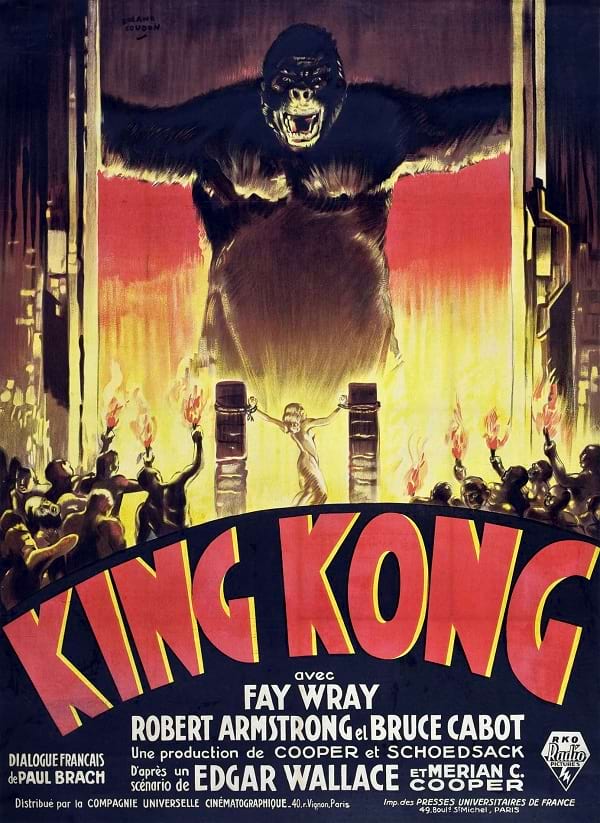
    In the early 1900’s, every adolescent minds all over the world had but one obsession, THE KING KONG movie. This tall mighty creature ruled the fantasy of many as he went about living his own life on an island protecting in a rather daunting manner his blonde infatuation. Borrowed from a comic, this character went to fascinate the world so much that a movie just had to be made. The first one to do any justice to the character came out in the year 1933. The only adjectives that seemed to do justice to the movie were that of excitement, romance, danger, and impending doom plus the superlatives of the same.

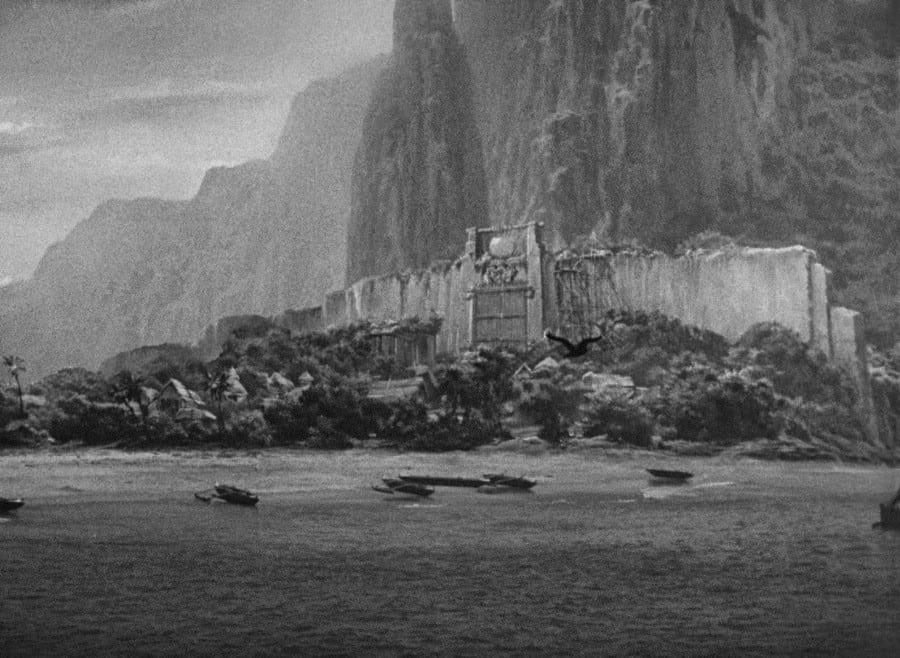
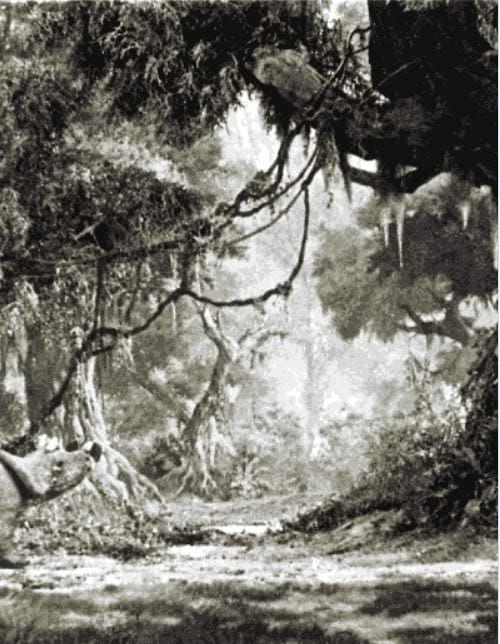
    It wasn’t until this movie, that the world actually saw the truly limitless nature of film making. And the endless trickery that can be employed to create an escape route from the real world that you so desperately seek. How was King Kong 1933 made? So many techniques were brilliantly sculpted into the making that it was hard to notice yet very quick to inspire. Stop motion was needed to bring the 18ft giant to life, miniatures we used to great effect in some shots involving the jungle creatures and the actors but the one that is least spoken of are the matte paintings. The very story of the Kong would be nothing without the dark, scary, and haunting jungle that he lives in. Could there be a real location in the world were this movie could have been shot successfully yet safely? Most unlikely. So how do you create the illusion of being at a location without actually being there? Matte paintings! But what make these matte paintings truly special is not that they just give a backdrop to the King Kong movie but they make the movie stand out even today.

    Before we get into the different matte paintings that made the movie, don’t you want to know how King Kong movie was even conceptualized? Back in those days, around 1933, the great depression was hitting the film industry hard as it got tougher and tougher to attract audience. Radio-Keith-Orpheum was one of them. To dig themselves out of near bankruptcy, they brought on board the highly regarded producer David O. Selznick from Paramount pictures to revive the creative structure. He was the one who first noticed the dying project creation and was fascinated by what trick cinema can do! This project was then remade into the might KING KONG. Now that you know whom to thank for King Kong movie, let’s move on the topic in focus, the matte paintings.

    Matte Paintings from the Kong

    matte painting King Kong


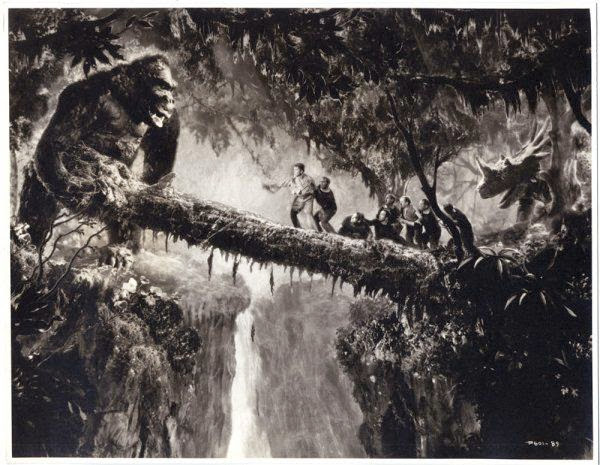
    This composite photo of many layers of glass art/shot or as we know it, matte paintings, was put together for the purpose of publicity. And it worked like a charm. This image of the men being forced to cross the log after coming face to face with a rather scary dinosaur certainly got the attention of the masses!

     matte painting King Kong

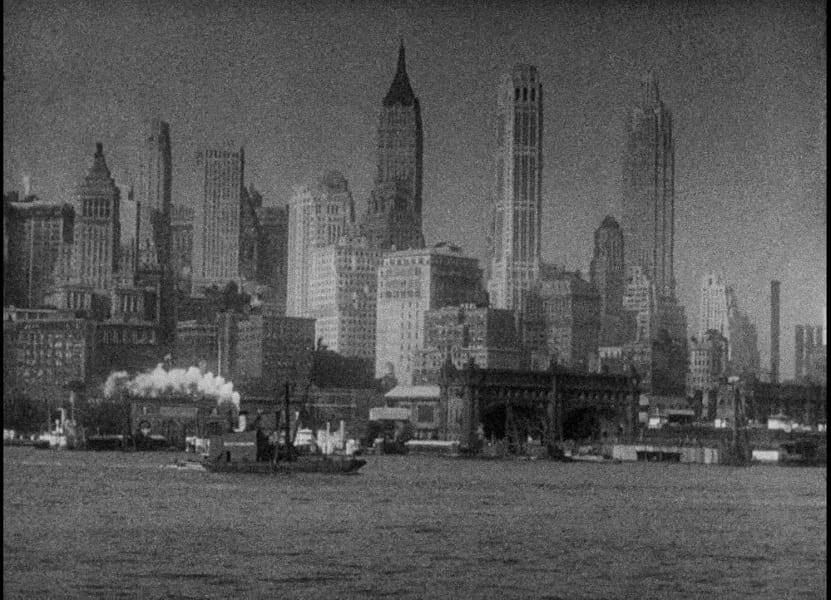
    It is very much suspected that this shot of New York from the movie’s introduction was, in reality, a matte painting!

    matte painting king kong skull island

    Skull Island. This painting authenticated the crew’s arrival at the location and provided the perfect backdrop for the native drum beating and Max Steiner’s near-perfect musical cues

    matte painting king kong

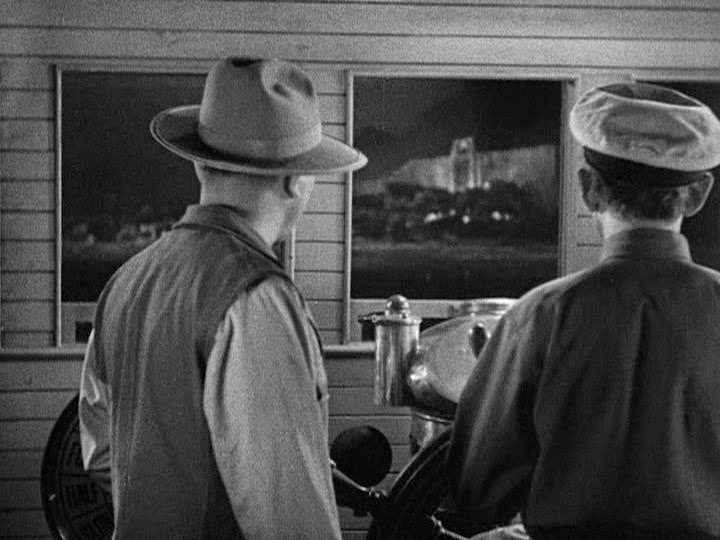
    Can’t you see the trouble brewing? This scene is most probably the result of a combination of matte art and flaming torch elements into a rear projection.

    matte painting king kong


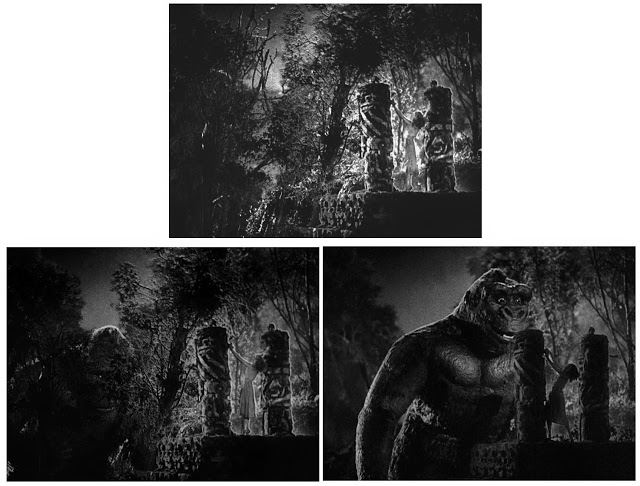
    This scene of the Kong arriving is a result of Williams travelling matte process. Kay on a very limited set is matte into a miniature environment!

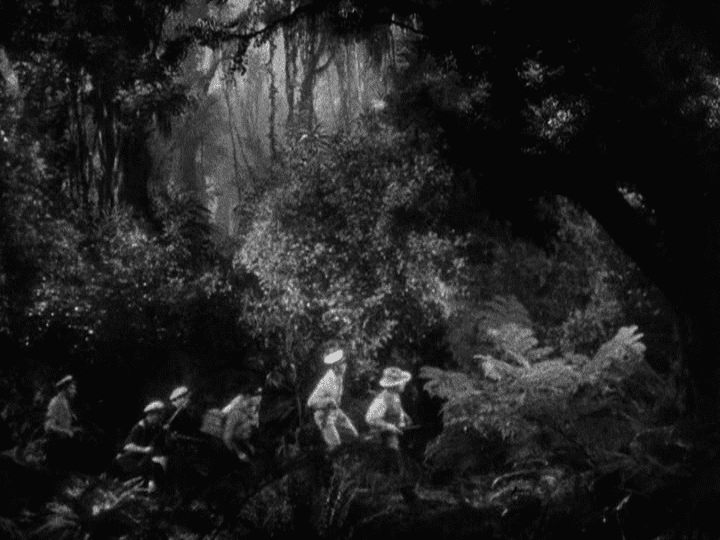
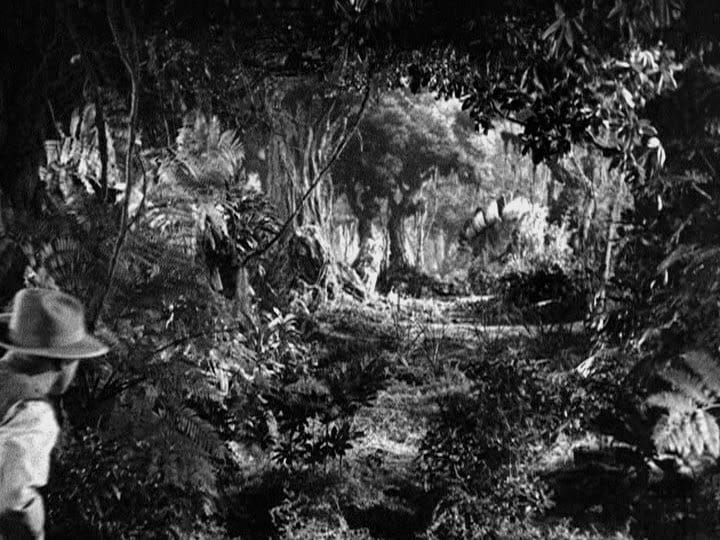
    All this is well and good but here are a couple of matte shots of what you have been waiting for! The jungle that is home to the Kong.

    matte painting king kong


    matte painting king king


    matte painting king king


    matte painting king kong

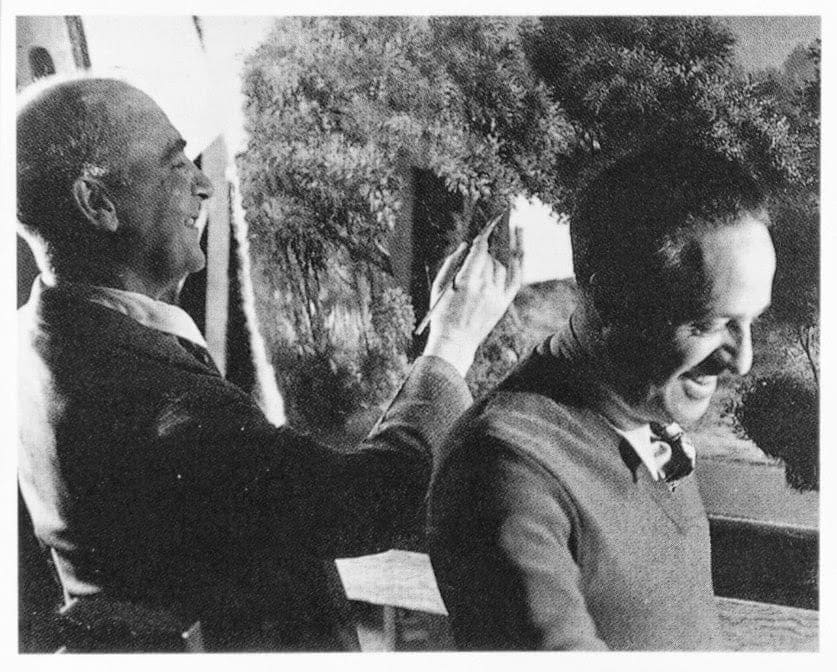
    And here is a peak at the men at work who made all these wonderful matte paintings happen!

    matte painting king kong


    The King Kong VFX and matte paintings are among the best I have ever seen.

  • Outsourcing in The VFX Industry Growth: VFX Studios in India Are At The Forefront

    VFX industry trends in India

    The words rapid and exponential do not even begin to do justice to the growth that the animation sector of India has seen in the recent years. During the beginning of this calendar year, it was estimated to be at 247 million US dollars and it was estimated to continue growing at 15 to 20% per annum. The big guys of the west like Walt Disney, Sony, and Warner Brothers have been sending out work on character animation and special effects our way and small business have been budding and sprouting in large numbers. Entrepreneurs in the animation VFX industry say that though they are in theory clubbed with the IT industry, the work is 70% art and 30% technology and passion needed makes it possible for them to survive the competition. They haven’t just survived but thrived and are now bagging more noteworthy deals. As the demand for Best VFX outsourcing companies increases, more and more companies are joining the race from around the country, with Mumbai, Chennai, Bangalore, and Hyderabad as the hubs. These companies have high-end studios and employ highly trained and skilled artists, providing various services. They also possess the ability to deliver to a client’s customised requests.

    2d and 3d outsourcing companies started as a pattern in the VFX industry’s growth. Slowly but steadily, they have made their way into every other sector, including VFX. But why India? What makes India the preferred choice for the West? The reasons are apparent. They are listed below.

    Cost:

    It costs only about one-fourth of the price to get a job done in India compared to North America and only 35% compared to Korea and the Philippines. From a business perspective, you only take advantage of every opportunity to save money if it compromises quality.

    Education and quality:

    As the demand for VFX grows, more big advertising agencies and media schools are formulating courses focusing on quality training. Every year, new talent pours into the job market, meeting the needs of skilled workers who can offer relatively higher-quality output.

    Labour:

    No job can be achieved without labour to execute it. India’s second-largest entertainment VFX industry allows it to meet the labour requirements. The constant improvement in educational standards offers a bridge between the numbers and skill levels. After all, the saying “what you see is what you get” is applicable in a very literal sense here.

    Communication:

    English is the primary language of communication in the profession environment across the country, outsourcing companies find it a lot easier to communicate their requirements.

    Age of digital media

    Digital media has changed the very way the world works. It presented the world with an opportunity to interact continuously, removing the age-old barriers of geography and reach. This contributed the spurt in the VFX industry growth. However, the real change happened when YouTube became a hit. The number of people searching, viewing, and interacting with video content has increased tremendously. YouTube Ready has the second-largest number of searches across the globe. Brands, for a while now, have leveraged this medium as a tool to reach out to their target audience. Because of this, the number of projects being made has also increased! It started with the more prominent brands and the IT companies that infiltrated the world markets and India. But has moved beyond that today, but the concept of e-learning and other newer industries stepping in.

    Because of these factors, 2d and 3d outsourcing company projects in India will only increase. The animation VFX industry growth in India will continue to increase, and the VFX Studios in India will grow not just in number but also in size and global presence!


  • 11 Greatest Matte Paintings Of All Time

    Matte paintings (or ‘glass shots’) originated during the early period of the silent era. They gave production units the freedom of never having to leave the studio grounds and still creating films that left the audience in awe.

    For a long time now, many movies have relied on the magic of this art. Matte painting and VFX studios across the world have worked tirelessly towards creating the magic. To pick and choose among them is a tough choice to make but a few of them stand out.

    EXPLORE OUR SPECIALIZED VFX PAINT POSTPRODUCTION SOLUTIONS

    Here’s a comprehensive list of the best we’ve seen till date. Top 11 matte painting examples we’ve seen on screen.

    Top 11 Matte Paintings WE’VE Seen On Screen

    Mary Poppins 1964
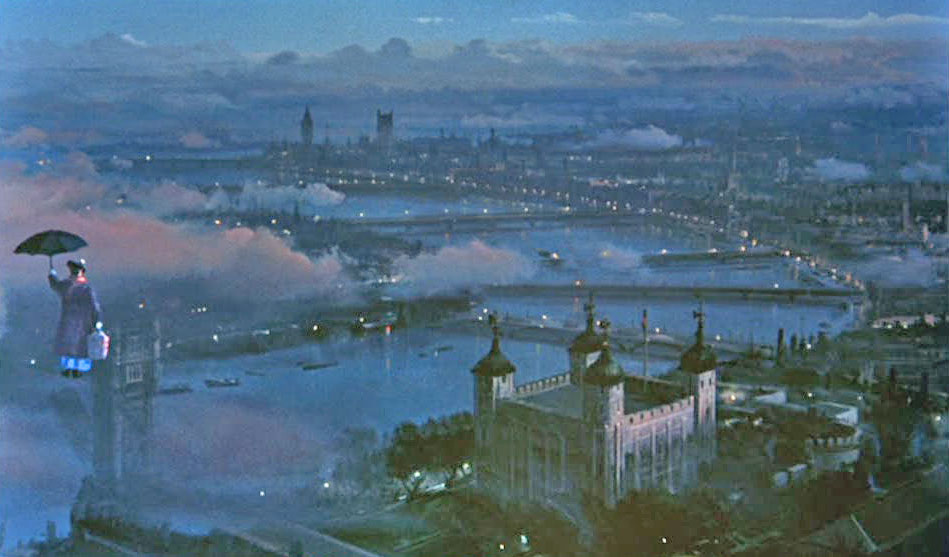
    Mary Poppins

    An academy award winner for the best visual effects, this movie made extensive use of matte paintings. In many shots, the entire background was a full frame of art and the actors were matted into it. Chief artist Peter Ellenshaw was a part of the creative think tank with Walt Disney in many movies but he definitely outdid himself with this one!

    Ghostbuster 2 1989
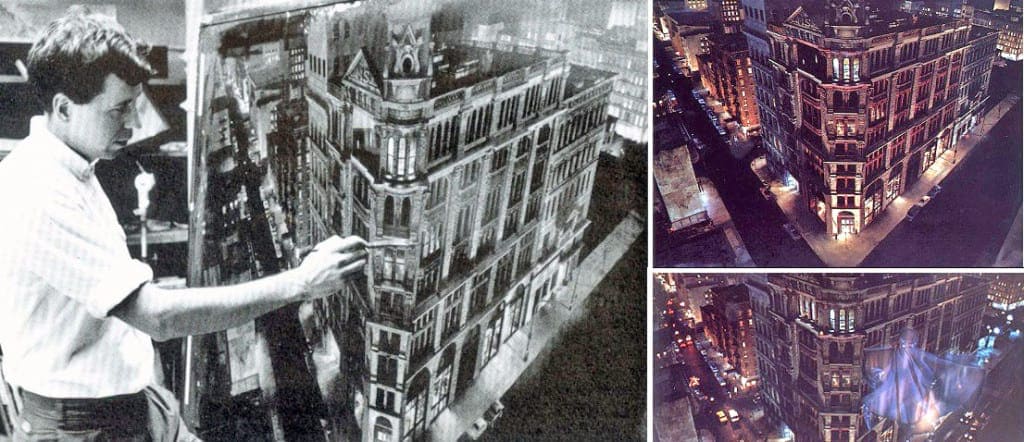
    ghostbusters II

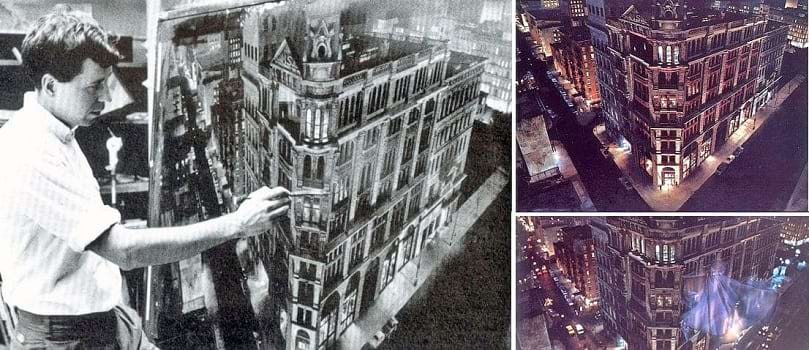
    Mark Sullivan was one of the greatest matte painters that his generation ever saw. Before the art of glass shots gravitated to the computers, he painted this full screen shot of Sigourney Weaver’s apartment and cityscape around it. Only the roadway was left unpainted.

    Earthquake 1974
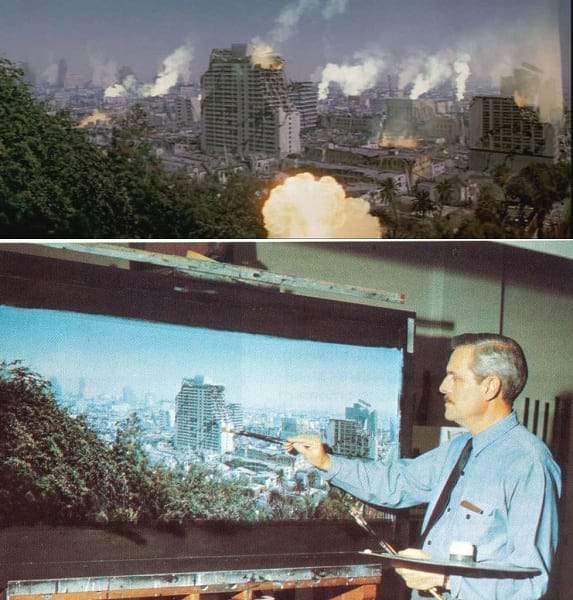
    Earthquake

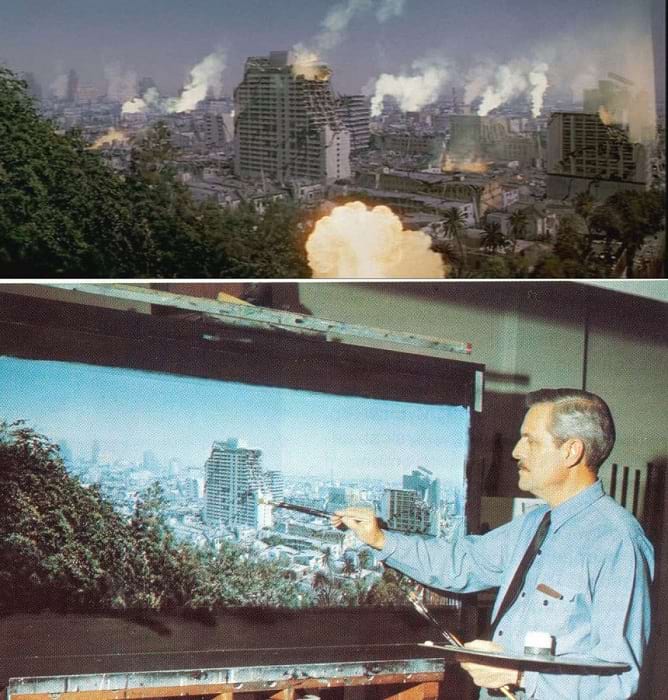
    What makes this movie so special? Well, Albert Whitlock created 22 matte paintings in 12 weeks! What was even more impressive is the fact that this medium budget movie that was made in great haste minted good money at the box office. The effects work did have a few loopholes (which was most likely due to the rushed schedule), but the paintings are definitely noteworthy.

    The distinguishing point in the shot in focus here is the loose and impressionistic brush that was a tried and tested signature of Albert’s style.

    The NeverEnding Story 1984
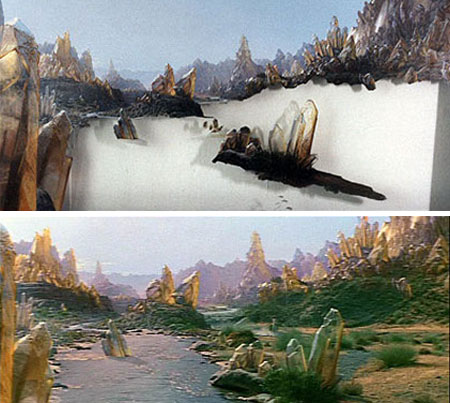
    Never Ending Story

    Whether you took a liking to the movie or not, you just can’t miss this stunning Jim Danforth matte in the middle of all the visual effects. He did a brilliant job with capturing the refractive index of the crystalline substances which is all one large frame. This definitely is one of his best mattes ever.

    Ben Hur 1959
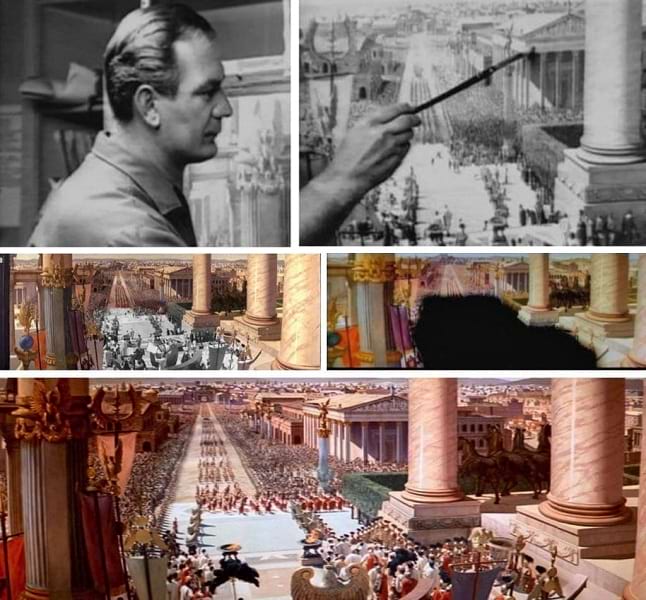
    Ben Hur

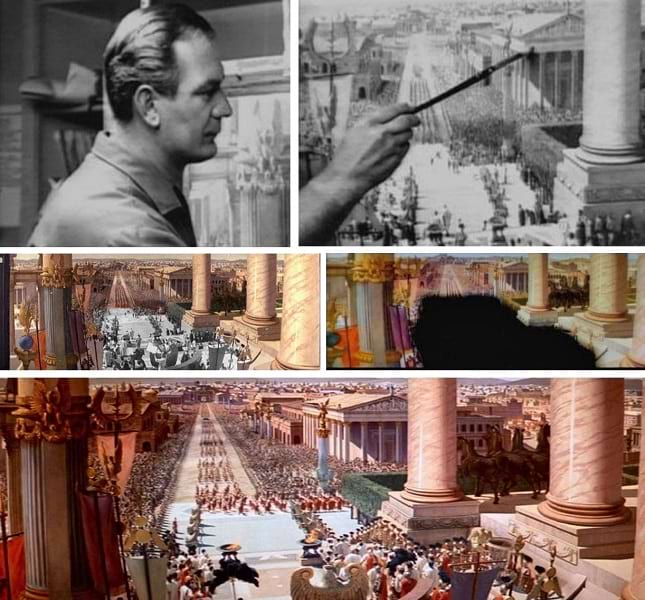
    The mattes in this movie faced a unique challenge. They all had to be painted horizontally (squeezed sideways) which would then be played for the audience in the right ratio after the making. And the beauty of it is that despite all the difficulties, it is still so hard to spot an error.

    Harley Davidson And The Marlboro Man 1991
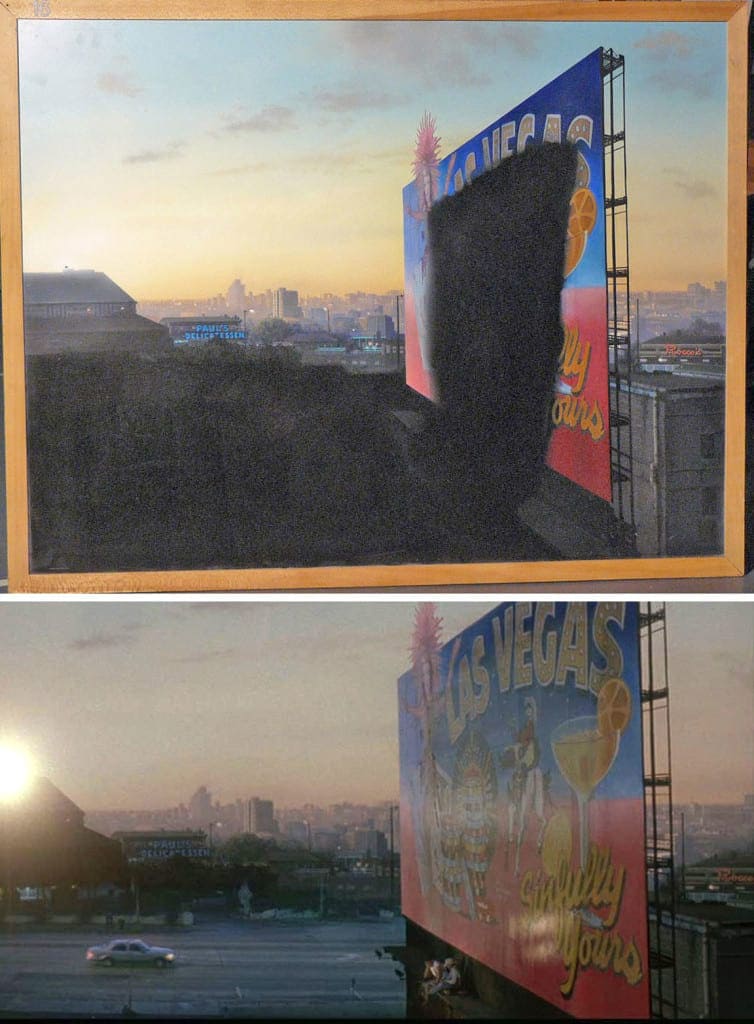
    Harley Davidson Marlboro Man

    This action flick went unnoticed but what we could not ignore was this breathtaking matte painting by Rocco Gioffre. While the element of the men against the billboard and the traffic was streamed individually, the rest of the scene entirely depended on this stunning matte!

    Raiders Of The Lost Ark 1981
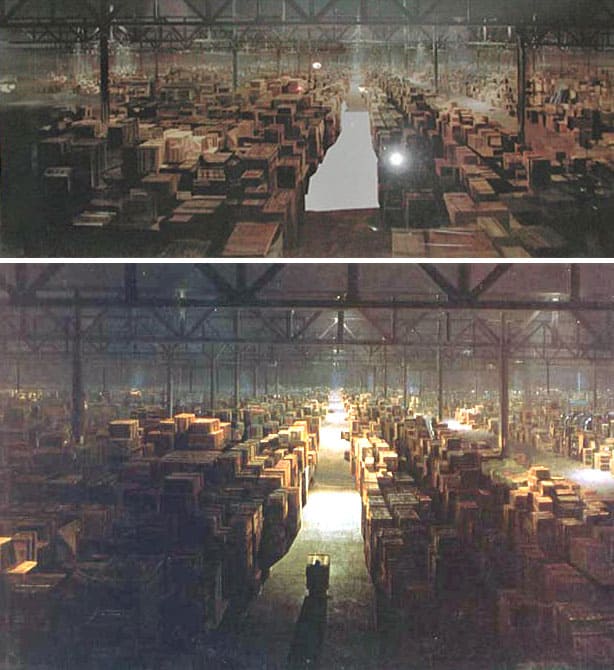
    Raiders of the lost Ark

    Micheal Pangrazio painted this stunning visual from the Raiders of the Lost Ark that become symbolic of the movie. This painting is tremendous for the fact that it is held in the shot for a fairly long time (compared to any other matte). And it is still not an easy feat to tell where the trick lies! Another ‘wow’ fact about it is that it took three months to paint all the boxes and crates. Simply flawless!

    Treasure Island 1950
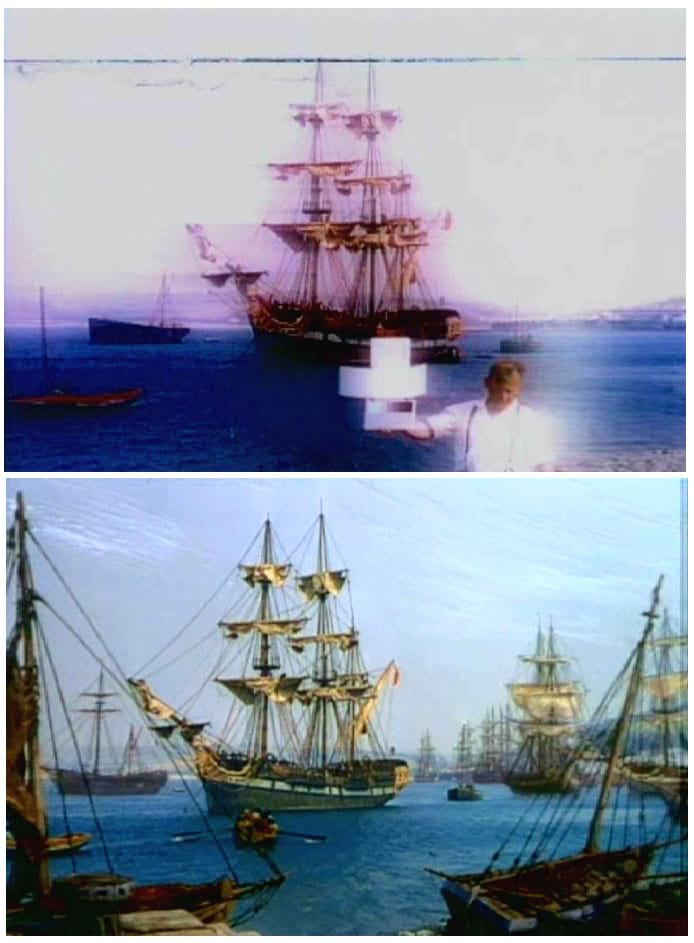
    Treasure Island

    Another exhibition of Peter Ellenshaw’s unbelievable talent, this matte painting of the harbor in this delightful Disney feature is one of the few that will forever remain on the lists of the greatest matte paintings ever made.

    The Red Shoes 1948
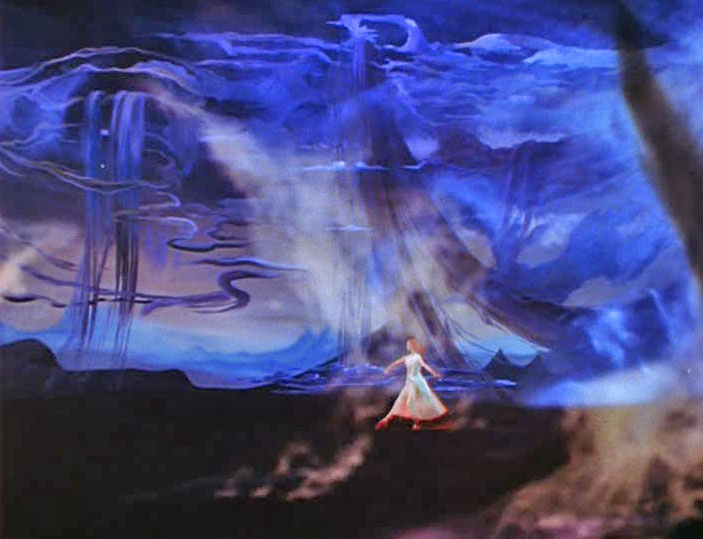
    The Red Shoes

    A lengthy old movie on ballet dancers is nobody’s first choice. But the visuals in the movie make it worth a watch. The many groundbreaking travelling mattes and optical composites are not short of awe inspiring, sometimes supplemented by equally beautifully matte paintings contributed by Joseph Natanson, Ivor Beddoes and Les Bowie.

    Superman 1978
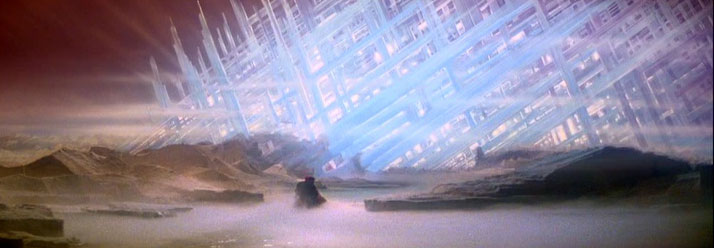
    superman

    Superman was one of those ‘perfect’ superhero movies that had a great mix of live action and visual effects. Les Bowie along with Ray Caple painted this stunning matte of the crystal fortress which is without a doubt one of Caple’s best works ever.

    King Kong 1933
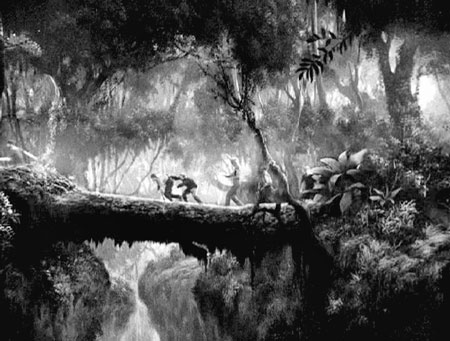
    King Kong

    The Kong movie is packed with a number of matte paintings which have successfully created a mood of mystery, gloom and fear. The chief matte artists Byron Crabbe and Mario Larrinaga gave life to a dark and terrifying jungle in the 1930s and till date there isn’t one that is said to be more terrifying.

    TITANIC (1997)
    matte painting - titanic

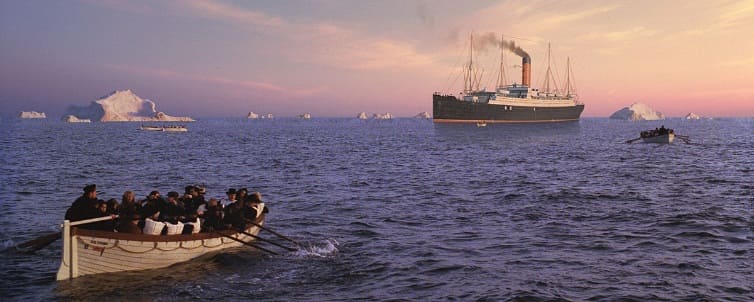
    The iconic Titanic is amongst the last major examples of oil matte paintings. This shot of the Carpathia was crafted by Chris Evans (the architect behind blockbusters like The Curious Case of Benjamin Button, The Empire Strikes Back and The Green Mile).

    These genius artists and matte painting studios have given us great visuals and virtual worlds to live in. A salute is what they deserve!

    For years, matte painting vfx has been a well-known VFX technique. It simply means that a landscape is used as the background in paintings. You can remove your movie from the confines of the stage by placing a blue or green screen behind your performers. Matte paintings in movies has come a long way today!

    Audiences may believe that the location depicted in the movie is genuine, even though it is really a product of the director’s wild imagination.

    When building a physical set or traveling to a specific location to film is either prohibitively expensive or impossible, it is frequently used to create landscapes, sets, and scenes for movies, television, and print. A thorough understanding of light, exposure, colour theory, and composition are necessary for this technique.

    One of the most common uses of matte painting in VFX is creating a background completely different from the live-action footage. This could be a landscape, cityscape, or even an entire planet. For example, in the movie “Avatar” (2009), the entire planet Pandora was created using matte painting.

    The use of matte paintings also allows filmmakers to create historical or fantasy environments that would be difficult or impossible to film in live-action.

    A glass matte painting is a variation of matte painting. It is a technique where a painting on glass is used to create a background element. The painting is photographed and composited into live-action footage.

    Glass matte paintings were widely used in the past, but with the advent of digital matte painting, the use of matte glass paintings has decreased.

    The Process of Matte Painting in Movies

    The process of creating a matte painting can be divided into several steps. The first step is concept art and pre-visualization, where the artists create rough sketches of the background elements that will be needed for the shot. The second step is camera tracking and layout, where the live-action footage is matched to the background elements that were created in the first step. The third step is painting and compositing, where the final matte painting is created and composited into the live-action footage. The final step is color correction and final adjustments, where the final image is color-corrected and any final adjustments are made.

    Our matte painter can help you achieve the desired results seamlessly!

    And while the modern film production techniques have switched to blue/green screens, matte painting in films is by no means obsolete. In fact, mattes have become the go-to reference for film-related digital creations.

    With the digital evolution, matte paintings are increasingly moving out of the 2D space, with 3D sets and background setups being created using various digital techniques. Take Harry Potter and the Prisoner of Azkaban as an example – multiple 100-foot canvases were seamed together and positioned behind the movie sets to create that feeling of grandeur and a larger-than-life look.

    If you are looking around for matte paintings and need an expert, Toolbox Studio should be your go-to option. Our skilled matte artists will ensure they deliver top-notch matte art to leave your audience mesmerized!

    LET’S DISCUSS HOW OUR VFX PAINT SOLUTIONS CAN ENHANCE YOUR PROJECT

    Images are sourced from here.
  • Milestones In Visual Effects: What Came Before Star Wars

    cover


    Since the Star Wars we have seen many wonders on the big screen. But what happened before?

    Ever since the very first moving picture, Star Wars special effects have amazed the audience. Over time, they have grown from the early basic tricks to computer spectacles. We witness the magic of various advanced techniques like stop-motion and performance capture on the screen almost every day. But where did it all begin? That is what we aim to bring out here.
    Movies That Set The Foundation To The Best Visual Effects Of Today


    1. The Lost World: 1925

    Credits: sammoroniesentertainmentfunhouse
    Credits: sammoroniesentertainmentfunhouse

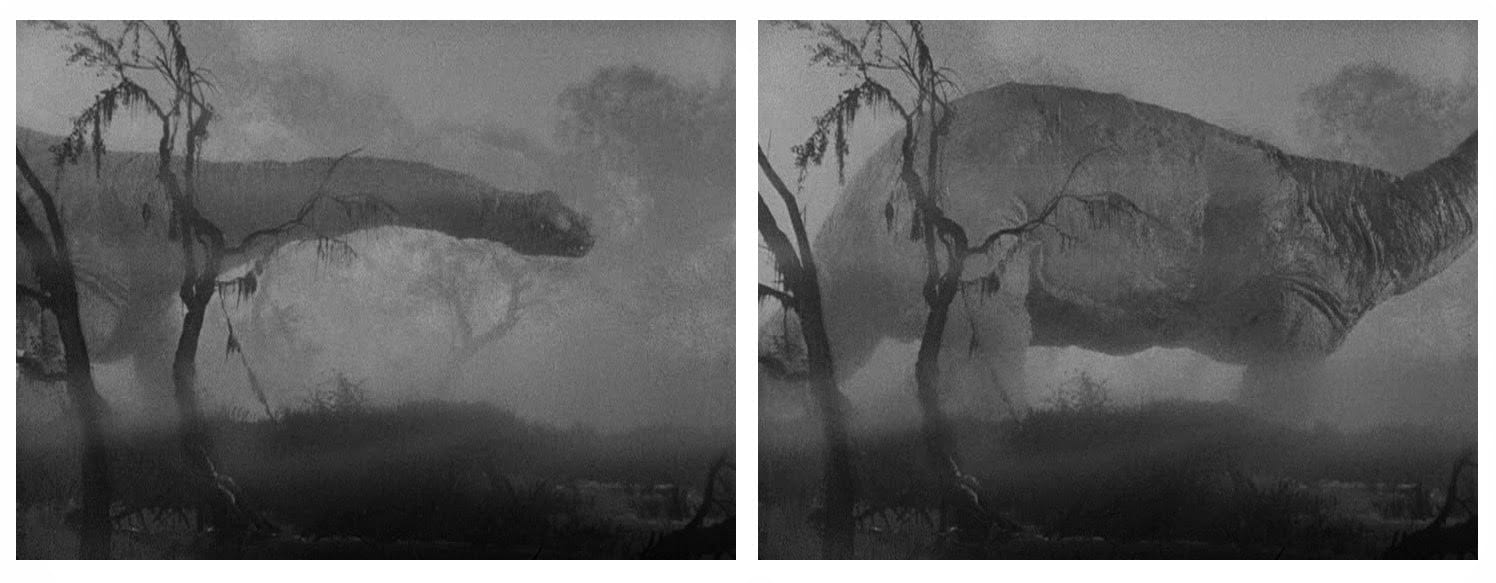
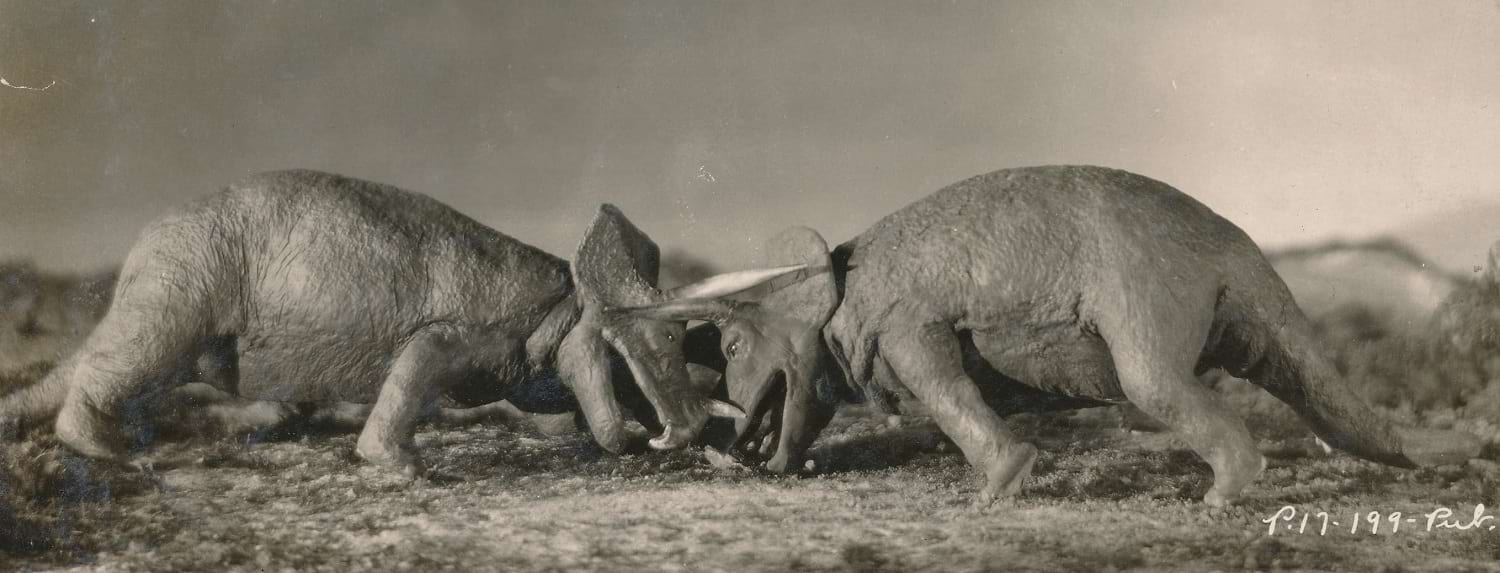
    The Lost World established a new genre of movies of feature length dinosaur oriented sci-fi movies. Following the creation of the life sized giants in this movie many followed like Gojira, Jurassic Park and Godzilla. Wills O’Brian pioneered the first use of the primitive stop motion animation, especially in the scene where the brontosaurus knocking down people with its tail on the streets of London.

    2. King Kong: 1933

    Credits: 3.bp.blogspot
    Credits: 3.bp.blogspot

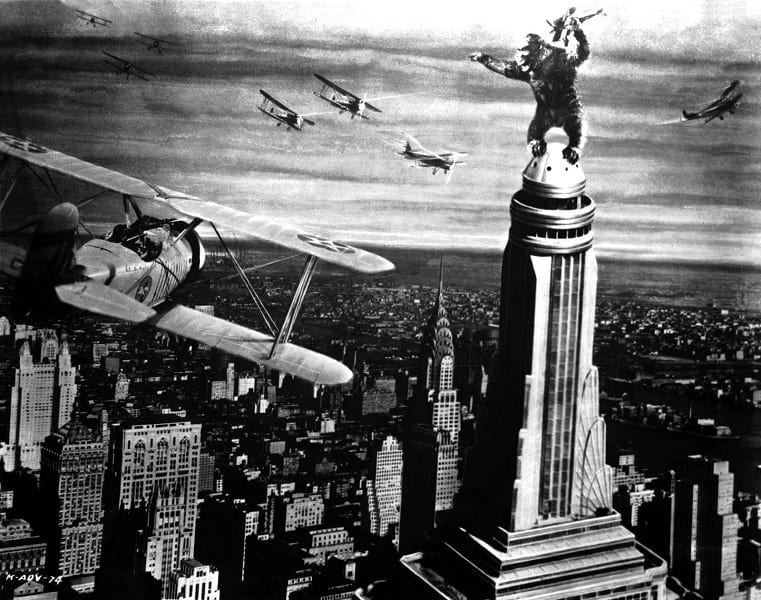
    Wills O’Brian’s masterful use of detailed stop-motion animation and the best visual effects on King Kong and the dinosaurs makes this movie still one of the best effects ever created. King Kong also employed a combination of matte paintings, miniatures, rear projection, and stop-motion through many different scenes to create a more realistic effect.

    3. Snow White And The Seven dwarfs: 1937

    Credits: cartoonpapers.com
    Credits: cartoonpapers.com

    Snow white and the seven dwarfs was the ground breaking 83 minute film that was built on hand drawn animation entirely. It was the first ever movie to use rotoscopy for the entire length of the feature.
    4. The Wizard Of Oz: 1939

    Credit: bioskop24
    Credit: bioskop24

    The Wizard of Oz made considerable use of matte painting projections to make the audience believe the actors where in a different location all together. But the best visual effects from the 3 different angles on the twister takes the cake and the cherry on it!

    5. Fantasia: 1940

    fantasia
    Credits: yug.me

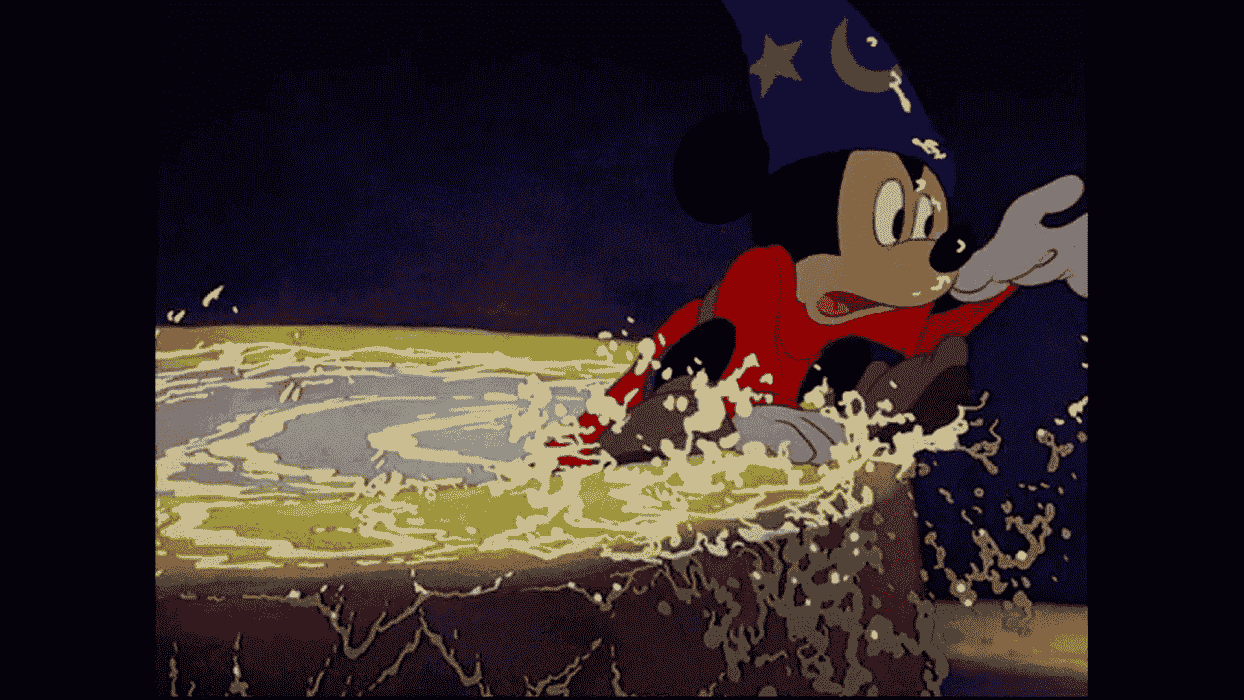
    Fantasia was the first artistic animation movie with classical music. This was also the first film ever to use a multi-channel stereo sound called fantasound.

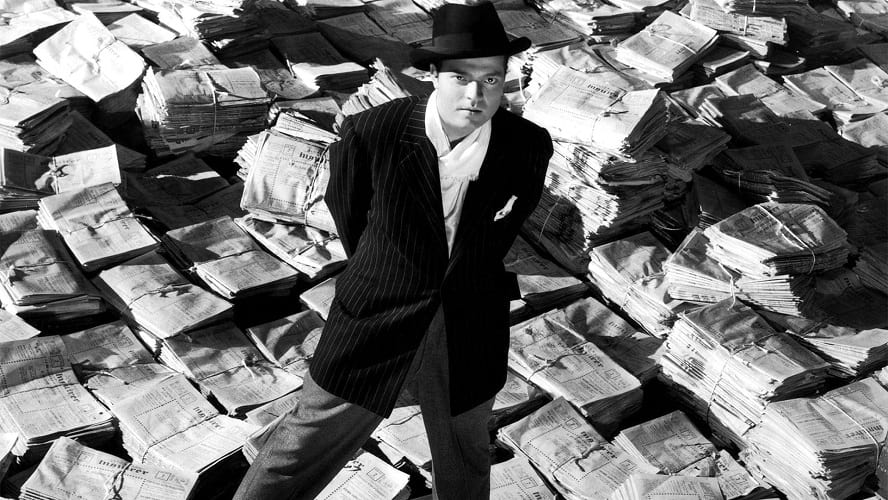
    6. Citizen Kane: 1941

    Credits: kamikong
    Credits: kamikong

    This master piece from Orson Welles used a combination of cinematic and narrative techniques with experimental innovations to create the title character like putting such as putting together puzzle pieces

    7. The Ten commandments: 1956

    Credits: tmbd.org
    Credits: tmbd.org

    When the red sea parted, our jaws dropped! This scene is till date one of the most miraculous and expensive scenes in the making of visual effects. Some of the other scenes in the movie that used special effects are the burning bushes and different plagues. Compositing was also used to multiply the number of extras in the scene.
    8. 2001: A Space odyssey: 1968

    Credits: hdwallpaperbase
    Credits: hdwallpaperbase

    The Star Gate and Star Child sequence, along with other special effects, helped create this movie, which later pioneered several such films in this genre. This was the first movie to have such a realistic image of space. Miniature models of spacecraft, timer or manually guided pre-motion control cameras, rear projection, full-sized props or models, and other early techniques were used.

    9. A Clockwork Orange: 1971

    Credits: wallpaper.com
    Credits: wallpaper.com

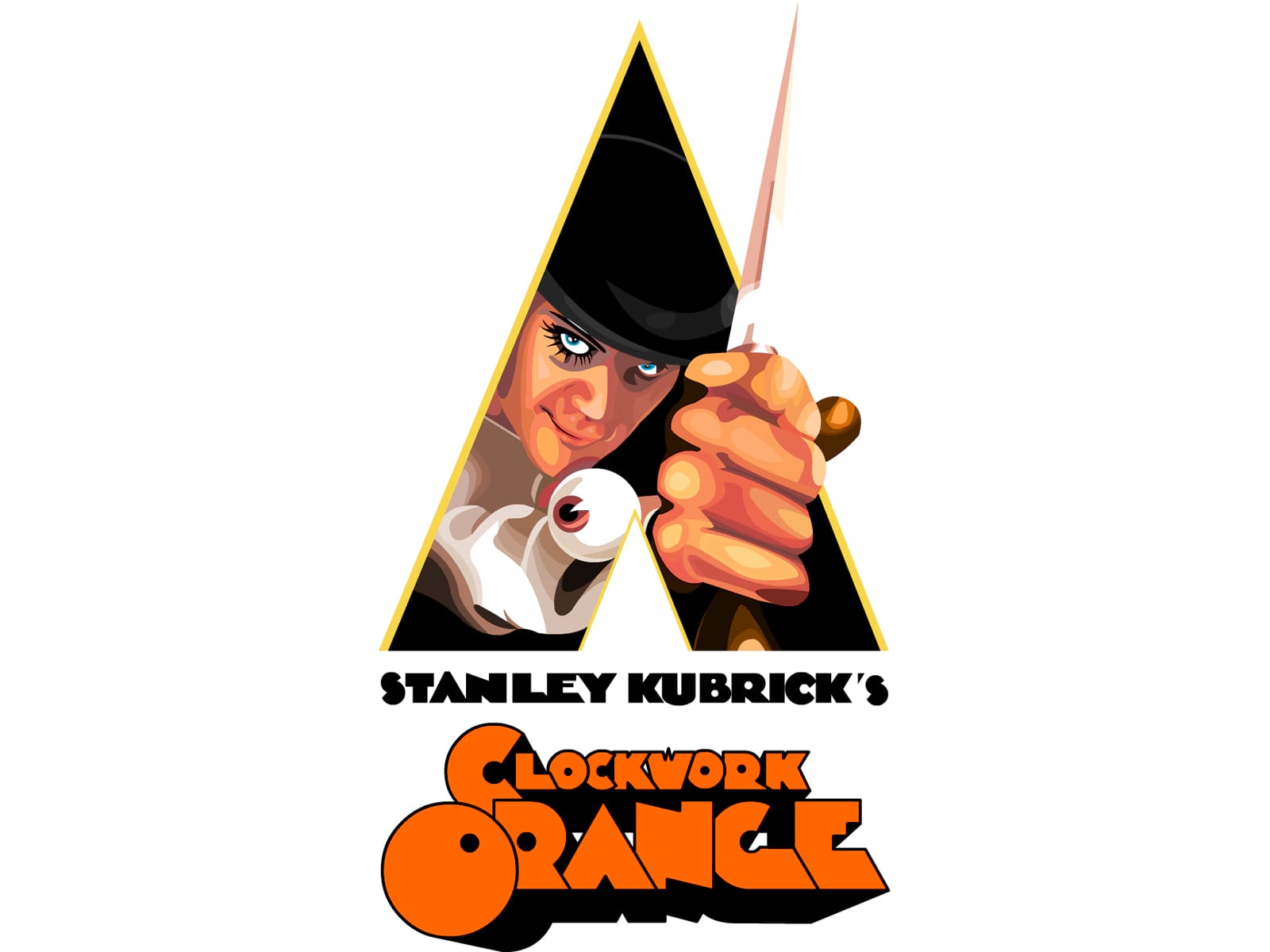
    A Clockwork Orange was the first movie to use Dolby technology to record sound. A technology that has now become a staple.

    10. The Exorcist: 1973

    Credits: fanpop.com
    Credits: fanpop.com

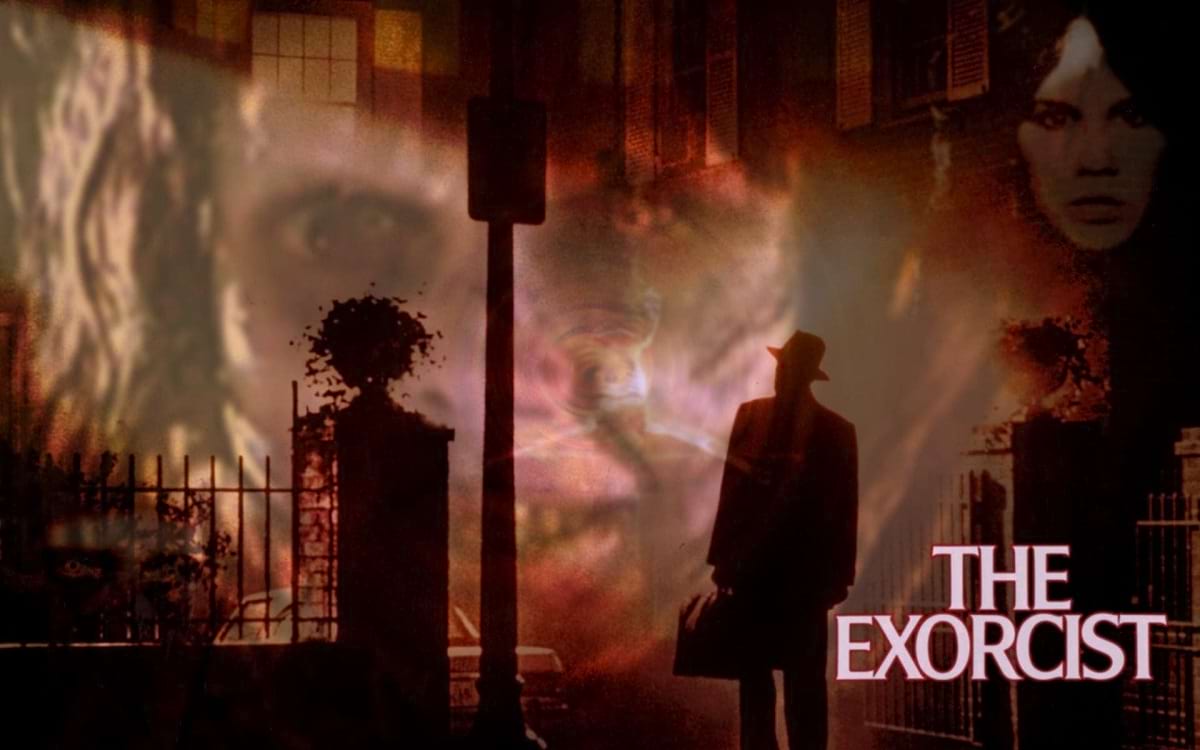
    The Exorcist, a horrifying story of a girl possessed by the devil and later the exorcism was a result of some really stunning effects. A lot of the nauseating scenes like the appearance of the words “HELP ME” on the girl’s stomach and also the 360 degree head rotation could not be done without the more basic technology and the ingenuity of the team.


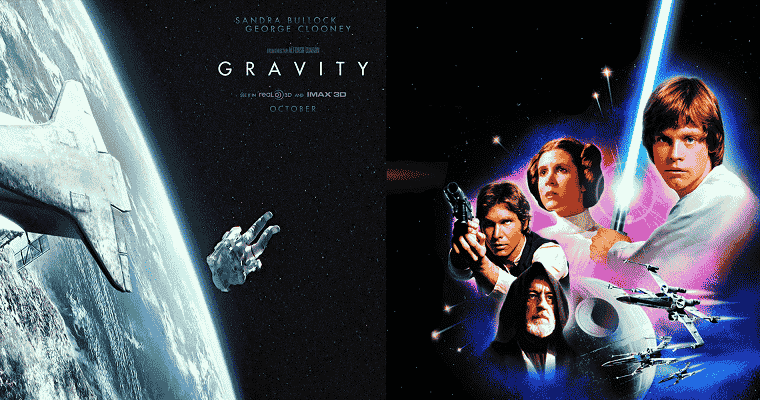
    These 10 wonders paved the way to the development in technology of best visual effects that started a revolution in the form of Star Wars and eventually led to the making of Gravity!


  • From Star Wars to Gravity: Milestones in Special Effect

    cover

    There was once a time when some things simply could not be done. That was before special effects. Advances in this segments demands that we pay a tribute to the milestones that have influenced the special effects. After all, most of the movies of today would be nothing without them. Let’s begin with the Star Wars and trace the path that has led to movies in the league of gravity.


    Most Significant Moments In Special Effects Between Star Wars


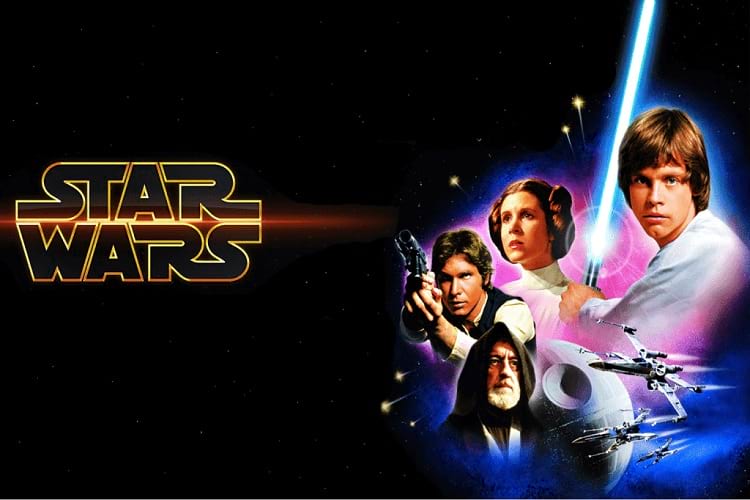
    Star Wars: 1977

    star wars

    All kinds of techniques were refined and motion control cameras were pioneered to lend new degrees of realism, making it possible to create some of the best special effects movies that captivated audiences with their stunning visual innovations.


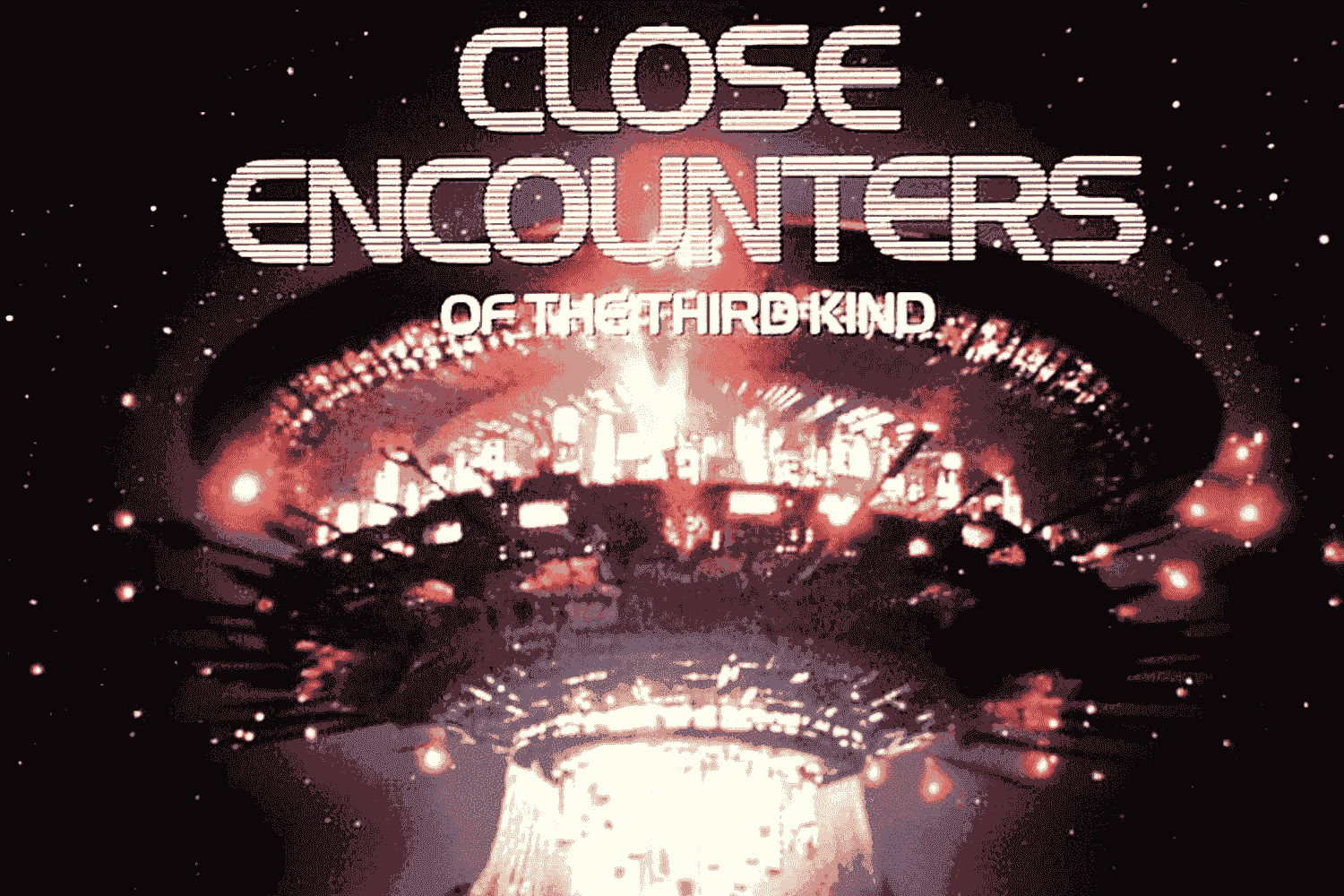
    Close Encounters Of The Third Kind: 1977

    close encounters of the third kind

    The stunning sequence of the landing of the alien mother ship. Do we need to say more?


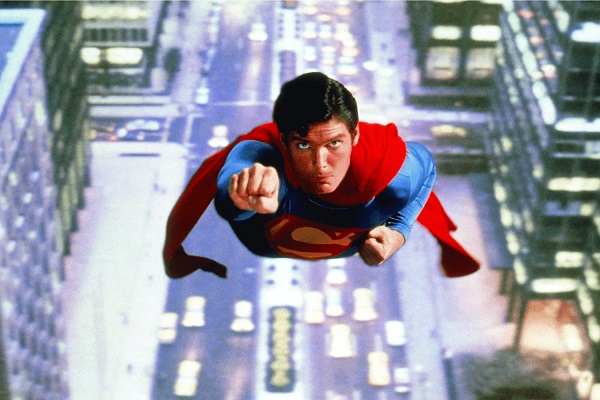
    Superman: The Movie: 1978

    super man the movie

    This movie featured some very innovative 3D like effects in the title sequence that was never seen before. Not to mention use of streak photography technique and zoptic camera. All this together, won this movie an Academy Award! It’s often considered one of the best special effects movies of its time.


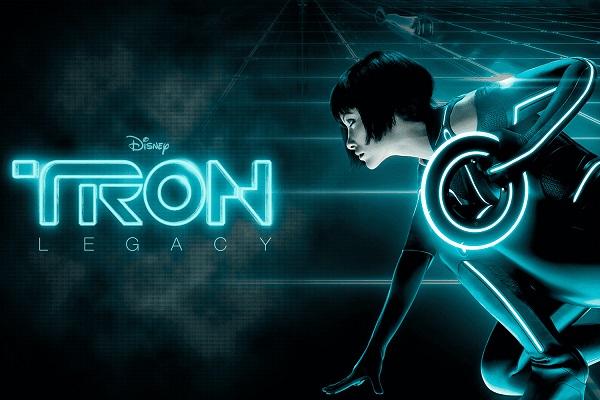
    Tron: 1982

    tron

    It wasn’t the first movie to use the CGI imagery but it was the first to adopt it at such a large scale!


    Terminator 2: Judgement Day 1991

    terminator 2

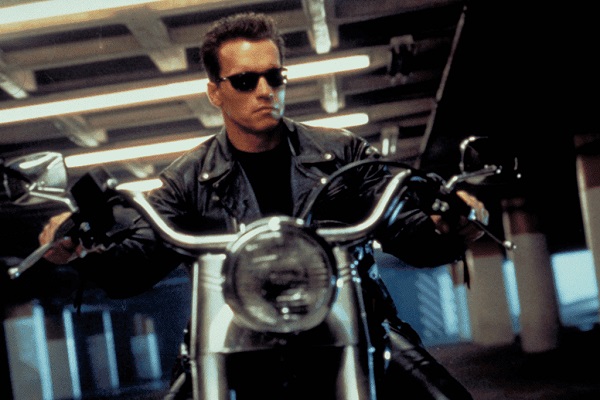
    Morphing became the buzzword in the industry with creation of the T1000 that could change from the human form to a murderous metal. This unique effect revolutionised some of the best special effects movies of the era.


    Jurassic Park: 1993

    jurrasic park

    The CGI creatures in this movie marked the beginning of all the great things that was to come in the world of visual effects.


    The Matrix: 1999

    matrix

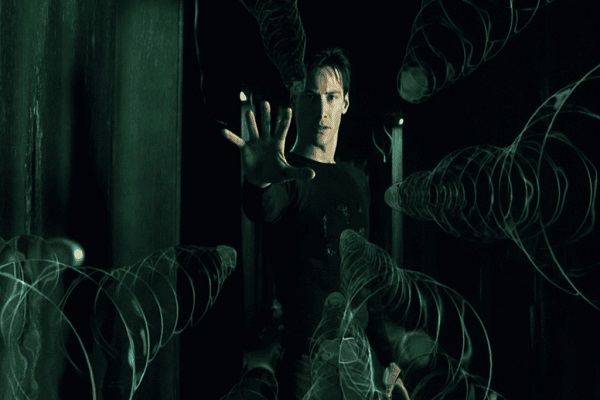
    This is where the world first saw the amazing slow motion bullet scene. It was recreated so many times after, that it became a little corny.


    Final Fantasy: The Spirits Within: 2001

    final fantasy

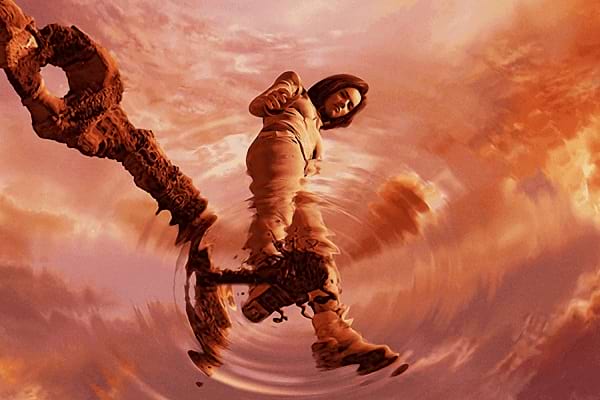
    This was the first feature film ever to used motion capture and create digital human beings.


    The Lord Of The Rings: 2001- 2003

    LOTR

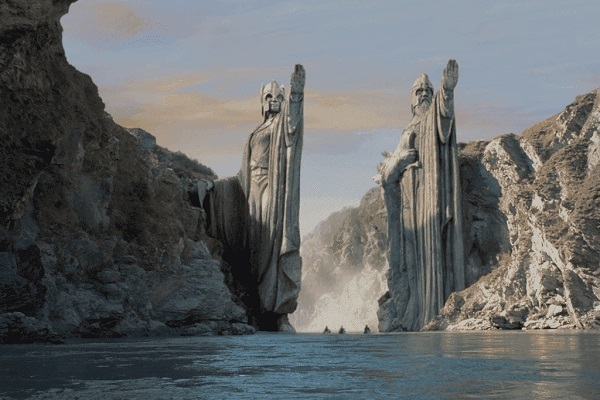
    Gollum made history in visual effects. To produce the character, they combined the forces of CGI imagery and motion capture.


    Spider Man 2: 2004

    spiderman 2

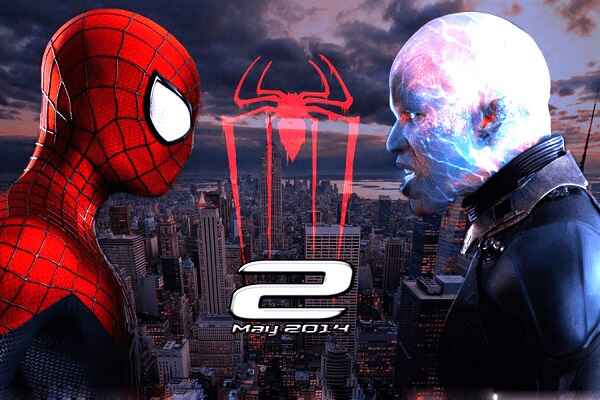
    Spider Man made a mark by winning the Oscars for the best special effects movie, beating even Harry Potter And The Prisoners Of Azkaban. Remember that epic struggle between Spider Man and Doctor Otto Octavius by the side of the tower?
    The best special effects movies often combine stunning visuals with gripping storytelling, and Spider-Man is a prime example


    Superman Returns: 2006

    super man returns

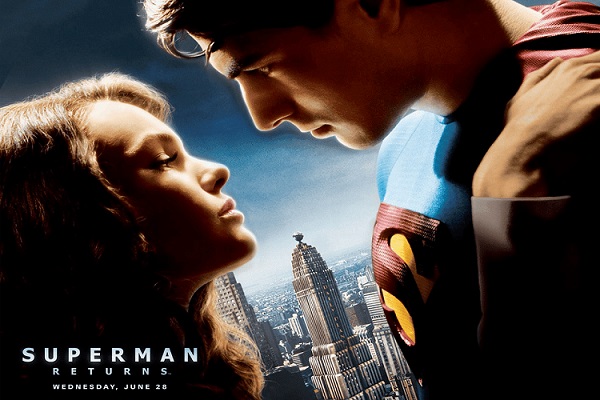
    The second in the Superman series used a body double of the character Superman along with a digital cape that was recreated using visual effects.


    Beowulf: 2007

    16309-movie-images-movie-pictures-movie-wallpaper-beowulf-wallpaper-1310_1920x1080 (1)

    This movie is an adaptation of an epic English poem made possible only by motion capture technology. This technology, widely recognised in some of the best special effects movies, turns live-action into animation.


    Spiderman 3: 2007

    spiderman 3

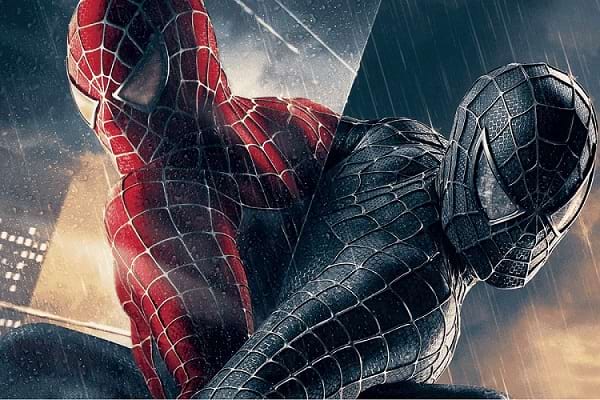
    The third in the series, this movie saw all-new visual effects, with the scene where Sandman is born and all the scenes that showcase his shape-shifting abilities.


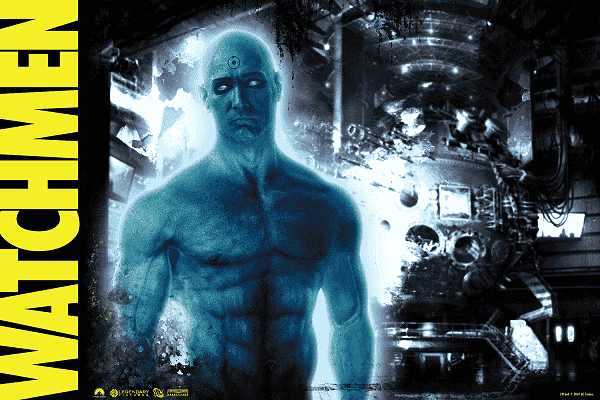
    Watchman: 2009

    Watchman

    Motion capture attained all new standards with the creation of the character Dr. Manhattan in this movie based out of a graphic novel by Alan Moore.


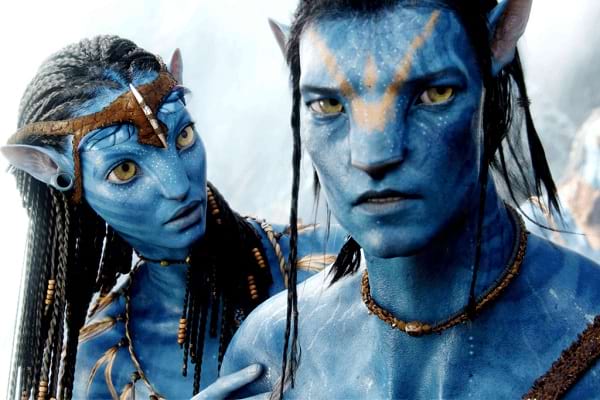
    Avatar: 2009

    avatar

    In this one movie, the very standards of realistic CG creatures, 3D effects and performance capture technology was raised. We know that it can be done now and we want nothing less anymore.


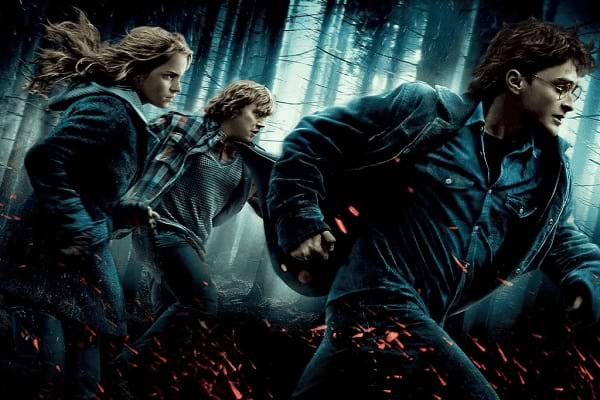
    Harry Potter & The Deathly Hallows Part 1: 2010

    HP

    The movie lost its place to Inception at the Oscars, but many of the scenes blended in with the story seamlessly, which was only possible with highly advanced special effects comparable to those seen in Star Wars. The most noted of the many are:

    • The scene where Harry’s friends drink the Polyjuice Potion to make it look there were seven Harry’s leaving Privet Drive at the same time
    • The illusionary vision Ron experiences when trying to destroy the locket-horcrux with the sword of gryffindor
    • The stunning animation witnessed during the narration of The Tale of Three Brothers

    The CGI characters of Kreacher, Dobby and Nagini-the python are all also a result of some spectacular special effects.


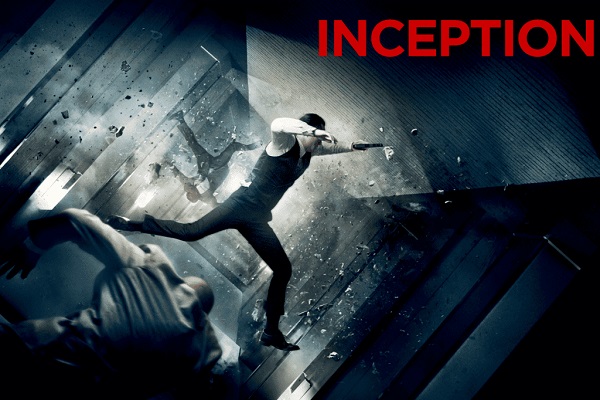
    Inceptions: 2010

    inception

    This suspense thriller on invading people dreams to implant ideas deserved every one of the four awards that it won. The entire movie is a scene after another of perfect integration but there are a few that stand out. They are:

    • The zero gravity fight scene in the corridor of a hotel room
    • The image of the Ford van falling of the bridge ever so slowly with the actors suspended inside
    • The destruction of the hospital fortress into a ball of fiery

    None of these could have been imagined as even remotely possible without the advanced techniques and special effects available today.


    Gravity: 2013

    gravity

    Set in space and about a woman’s struggle to get back to Earth, this movie combines such advanced special effects techniques that it leaves everyone stunned!


    Here is a salute to all the visual effects advancements that have made these amazing contributions a viewing treat!