Category: Film VFX

  • Paul Walker and the Visual Effects in Fast & Furious 7

    When Paul Walker passed away in November 2013, fans all over the world mourned while the cast and crew was left devastated. Putting aside emotion, they were left with one big question and that was, how were they to complete the movie? No character was dispensable especially not Brian played by Paul who set has been instrumental in setting the tone of the first movie and every movie that followed. So what were they to do now? Universal as refused to discuss how they plan to bring Paul Walkers character to life and if any visual effects will be employed in it beyond saying that his brothers Cody and Caleb stood in for Paul and the director pulled in shots of Paul from the previous movies. But some sources that spoke about the use of visual effects in Fast and Furious 7 told the Hollywood Reporter that Peter Jackson’s Weta Digital was asked to complete the sensitive and arduous task of reanimating Walker for Furious 7, and its cutting-edge work points toward a future where most actors can be re-created seamlessly if needed. (The company declined to comment on its specific contributions though.)

    But the talks and rumours about the use of visual effects in Fast and Furious 7 just won’t die down. Many believe that Paul Walker has been digitally recreated with the use of CGI and body doubles to finish the movie. Some sources have also told the first showing that they have hired four actors with bodies very similar to Paul’s physique and they will be used for movement and as a base. Paul’s face and voice will be used on top using CGI.

    This is not the first time, movies and production houses have has to use the support of the visual effects team to complete a movie after the untimely loss or death of a character. They had to apply a similar technique when Philip Seymour Hoffman passed away with a few shots left to the shooting of The Hunger Games: Mockingjay. The use of such techniques go as far back as the Oscar award-winning movie, the Gladiator when Oliver Reed suffered a fatal heart attack during the filming. There is much speculation over what technique has been employed to create these digital masks with many favouring the probably use of motion capture. Ofcourse, they will need to get as many close ups of the actors face to get the exact replication of his features right and not mention an outstanding texture artist to make the skin look real. But if this is the road they have taken, then the toughest job falls to the animator and the rigger who will have to make every single expression extremely believable and human like. And that is where people believe motion capture can come to the aid of the animators. And this is Weta Digital we are talking about! Motion Capture is their forte and there are few who can even compete with them. Maybe we will see a digitally recreated Paul Walker. But will we be able to tell the difference?  Only time and the audience with the first day first shows have the answer to that.

    The movie is set to release in the month of April. Here is a peak at the official trailer again while we wait for the movie to hit the theatres.

  • ILM, Kathleen Kennedy, and Star Wars Episode VII

    star wars, episode 7, visual effects


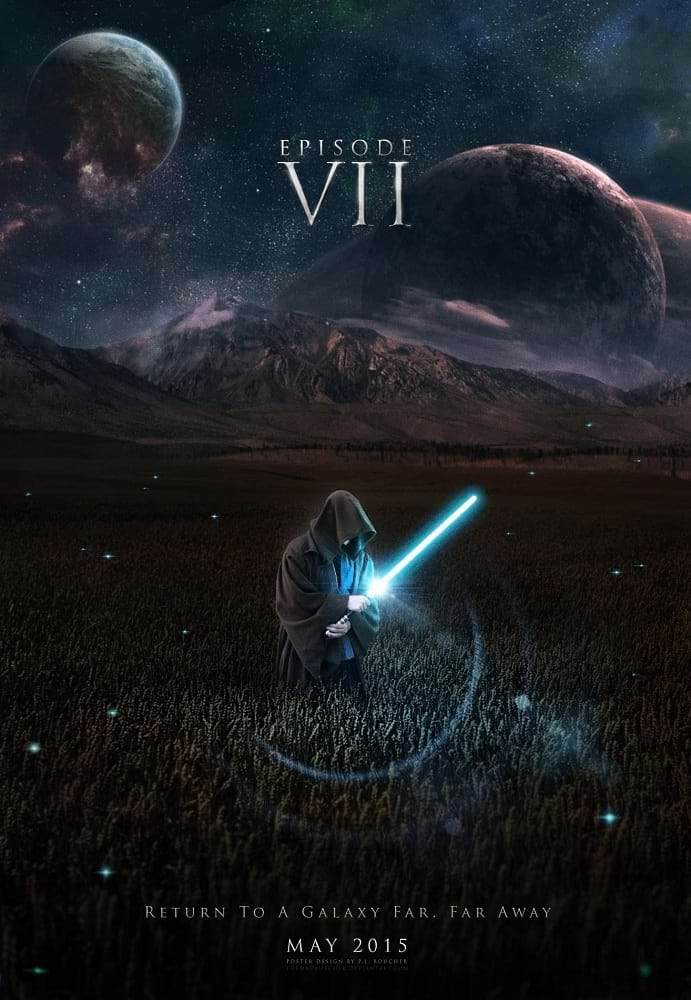
    When the announcement of Disney taking over Lucasfilms and their in-house visual effects team ILM came, it blew socks off the internet. Nobody saw that coming. But then when the announcement of Kathleen Kennedy, renowned for her work on the Star Wars series, as the new president came, there was no surprise at all. And that was followed by the announcement of Star Wars Episode VII, crafted with the expertise of ILM Star Wars visual effects, being released in the month of May 2015 which had every Star Wars fan blessing them to heaven and back.

    Step one was to woo director J.J. Abrams as the hand behind the making of this movie, and since then, many changes have been implemented on how these movies were approached after the original trilogy. Things have just been on the roll since then. One of the biggest complaints that the old-school Star Wars series’ fans had with the visual effects in prequels was that Lucas overused CGI and animation. The puppets and droids were replaced by computer graphics. Even the beloved Yoda puppet was retired. A lot of the action was shot in front of a green screen. But it looks like things are looking up for the old-school fans now. Kennedy’s Star Wars team has brought in a more combined style of practical and CG, bringing more authenticity to this episode. This is what she went on to tell the crowds at the Star Wars celebration Europe, referencing ILM’s work on Star Wars and its contribution to visual effects innovation.

    The conversation we’re having all the time now about ‘Episode VII’ is how much CGI.  We’re looking at what the early Star Wars films did; they used real locations with special effects. So [for ‘Episode VII’] we’re going to find some very cool locations, we’re going to end up using every single tool in the toolbox.

    She also proceeded to say that,

    I was amazed yesterday and looking at what the fans are doing,” referring to some of the presentations and displays of Celebration Europe. “Using model makers, using real droids, taking advantage of the artwork that you can touch and feel, we want to do that in combination with CG effects.

    She also gave the crowds another bit of news to celebrate upon by confirming that Williams would composing the score. There was still more chew upon when she said that they were looking to create some really cool new characters.

    Brennon spoke out about how the practical approach will only make things easier for the visual effects team saying that,

    What it does for us in visual effects is it also gives us something to build upon. It gives us something to ground our visual effects with. Not only in the shots that have practical sets that we’re expanding on, or putting a creature into, it also gives us a really strong aesthetic that we know to follow in shots that are all-CG. 

    If that wasn’t all too much of a surprise, here is another little happening that will blow your mind. Not only has Kathleen got people embracing the new style for the movie, she has also got many to admit that they need to be looking at the privacy details for this movie in a different light. Kathleen said that with a franchise as big and popular as the Star Wars series and with the internet being what it is, it is absolutely impossible to keep the happenings of this movie a secret. She added that ILM Star Wars innovations have also played a role in shaping the visuals for this project, making it even harder to contain the excitement. That is why, under Kennedy’s Star Wars leadership, they are going to be giving the crowds a peak at what is happening every once in a while!

    That is it for today on the visual effects of Star Wars Episode VII. But stay in touch, you will be hearing more from us again and soon!

  • Who claimed victory? The winners for visual effects and animation at the Oscars 2015

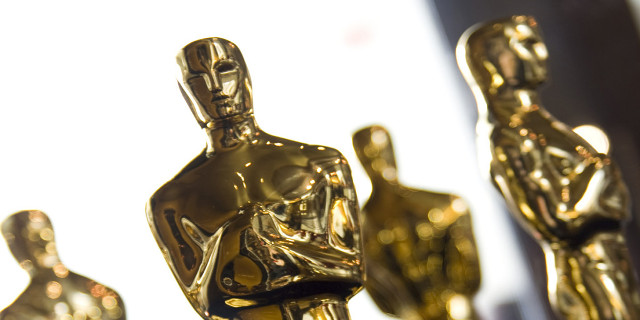
    Guess what we were doing at 5:30 am today morning? Watching the Oscar awards 2015 of course! And every time, the winner in an award category was to be announced we were leaping out of seats in joy. Here are the winners in the visual effects and animation category. It gives us great pleasure even thinking back to when we saw these marvels on screen for the first time.

    Best Visual Effects

    Winner: Interstellar, Paul Franklin, Andrew Lockley, Ian Hunter, and Scott Fisher

    There was no surprise here. After all, Interstellar changed the very way visual effects was approached in sci-fi movies for decades now. Nothing this realistic was attempted till date and the success was spectacular. Double Negative wrote a brand new software to put together the wormhole and then replicated the same for creating the black holes as light does not travel in straight lines in these environments. The science behind the entire process was so strong that Paul Franklin was able to use the research to submit a scientific papers backed by results. Not just that, Chris Nolan went a step ahead and changed the very way visual effects was approached in the movie. Normally treated as a post-production aspect, the green screen was a fixture when shooting a scene that requires visual effects. Nolan elimated the use of green screen entirely by turning the VFX into a pre-production aspect for this movie. He then put up large projection screens and mounted a camera on a crane. When the actors seemed awe struck by the visuals, it was because they were actually awe struck! With so many ground breaking changes in the making of the film, it is was obvious that the results would be spectacular. Interstellar most certainly deserved the win this year!

    Best Animated Feature

    Winner: Big Hero 6 by Disney’s Animation Studio

    The Big Hero 6 went down as a marker in history of animation. The movie is inspired by a Marvel comic, is about a robotics prodigy who creates a team of Superhero’s to battle a masked villain. The movie may not have been as big a box office hit as Frozen or made Disney as much money on the revenue scale but the very huggable Baymax and the renderer that brought him to life hyperon will certainly never be forgotten. It took 200 hours and 2 years to build the rendered and it wasn’t even tested before the movie was put into production but the hallow and glowing results that it brought to Baymax was so appealing that Don Hall and Chris Williams took the risk of using it anyway. And the risk paid off. Not only was the movie loved but it has also won them an Oscar today beating the second part of How to Train Your Dragon.

    Best Animated Short

    Winner: Feast by Disney’s Animation Studio

    Whoever brought tickets for the Big Hero 6 in 2014 was in for a treat with the animated short “Feast” being thrown in as a part of the deal. The short was made so show the love life of a man through the view of his dog and food. The 3D animation work along with the expressions of the adorable boston terrier as he connects his humans life and emotions to his dinners is certainly a fresh perspective at the whole scenario that has never been touched upon before. It was engaging, emotional and as accurate as possible. Feast not just won the Oscars but was also awards honours for 3D achievement at the 3D creative arts awards. Disney’s Animation Studio is trying to find its way to its roots with bringing animated shorts back to life and Feast was among their first steps towards it.

    We say that the visual effects and animation studios behind these movies most definitely deserve all the credit, appreciation, and love they have received today. What do you say?

  • What Weta Digital did for The Hobbit: The Battle of the Five Armies!

    Weta Digital has been around for 20 years now and has made over 40 films. The latest in their box of success is The Hobbit: The Battle of the Five Armies! Take a look at how they made it happen.

  • ILM: What was the year 2014 like for them?

    ILM: What was the year 2014 like for them?

    visual effects, ILM

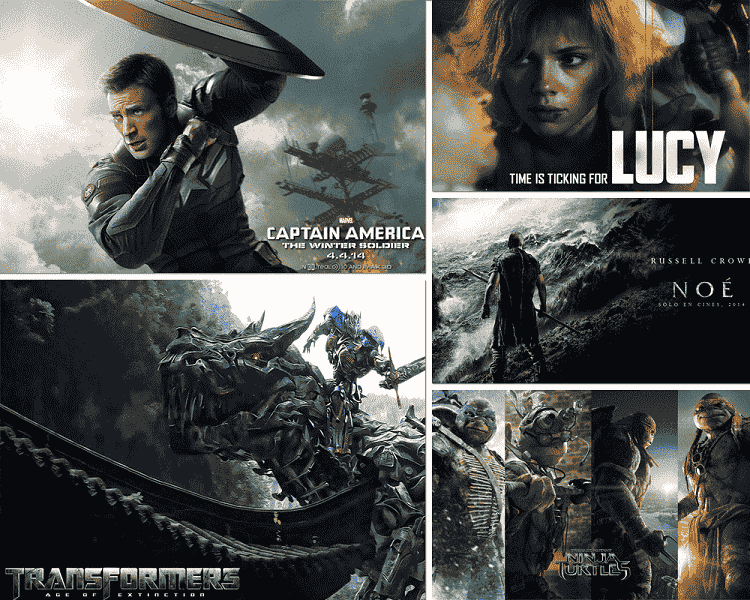
    The year 2014 saw some big releases that would have been nothing without visual effects as its backbone. All the big studios had a few film release that did well. One such studio was ILM, Industrial Light & Magic.  ILM had a good run last year with six releases, 3 of which were contenders for the Oscars and 1 listed among the final nominees. Among these were some of the best films of 2014, showcasing the exceptional work ILM has put into them. Let’s look at these ILM movies and the work that ILM has put into them!

    But before that lets take a look at the studios beginning and what it stands for today. ILM movies began as a division of Lucasfilms when George Lucas began producing Star Wars. In the 1980’s, IM dominated the market and had many production houses send across CGI work to them. It is also the founding company of the Pixar studio. Today, ILM is still among the biggest and most respected players in the visual effects industry.

    2014: ILM releases

    Noah

     visual effects, ILM

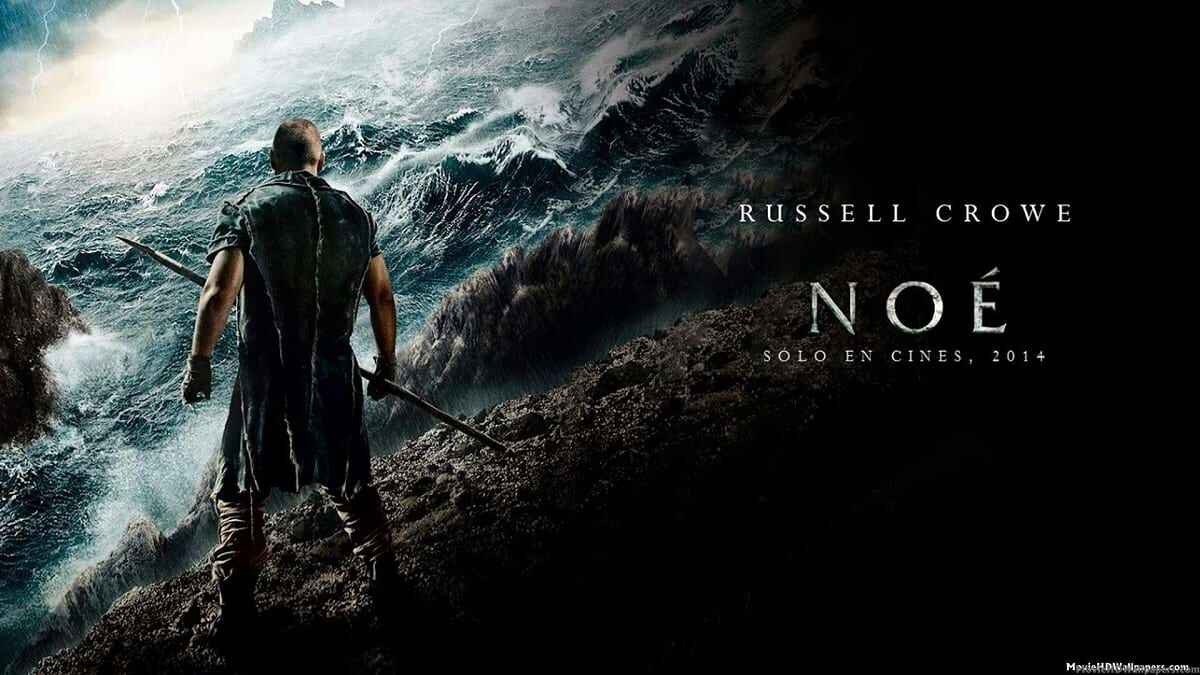
    As a movie, Noah strayed away from the usual beaten path that most have adopted in presenting the story. Considering the different storyline approaches, IILM’s work with this movie was apt and stunning! Many bits of the film are exceptional, but the truly remarkable bit of execution was the stop framework they did on the evolution of the world. A few have attempted this before, but they have yet to do such a masterful job at it. The simplest way to do this is to allow the entire sequence to look like a rush of images, but that was not what they did. The artists produced a spectacular ark that made it easy for us to follow the evolutionary process. Noah is undoubtedly one of the best films of 2014.

    Captain America: The Winter Soldier

    oscars, visual effects

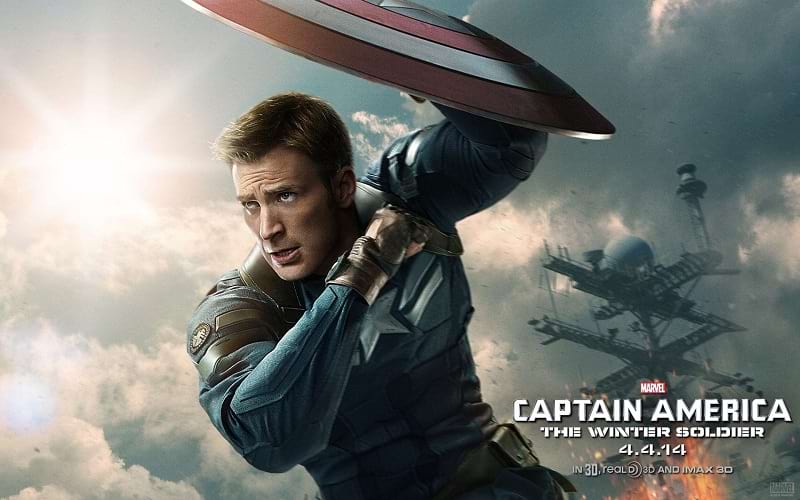
    For this movie, they deserve more than a round of applause. They were a few bits like the HUD system and its interface on the windscreen during the Winter Soldiers attack and more but the cherry on the cake were the Helicarriers. Who would have thought it would have been possible to would even be possible to make them bigger and better? But nothing is impossible for ILM. The modellers did a marvellous job with the helicarriers with the building, rigging, and simulations with the rigid bodies, especially with live-action sequences that they were involved in. This film truly stands out among the best films of 2014.

    Transformers: The Age of Extinction

    oscars, visual effects

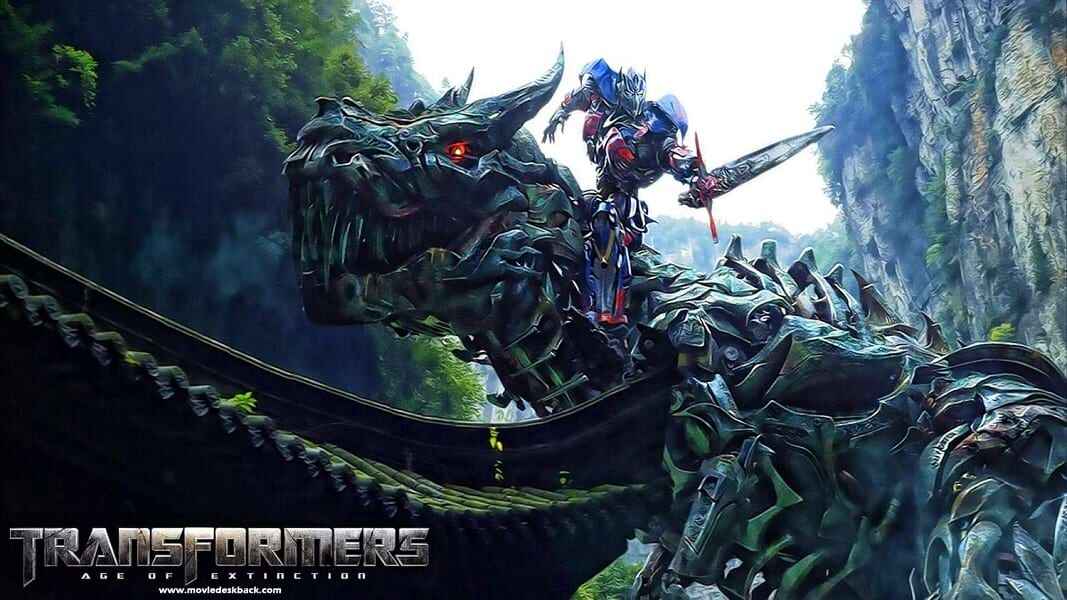
    ILM has been making the transformer movies since the first in the series and they have been received well till this last part. With the story line and the movie not being well received by the masses, everybody was unanimous in saying that the only good part in the movie was the visual effects. The credit to that goes entirely to the ILM team. The addition of the Dinobots and the hypno transforming new age transformers was as good as it can get!

    Lucy

    visual effects, ILM

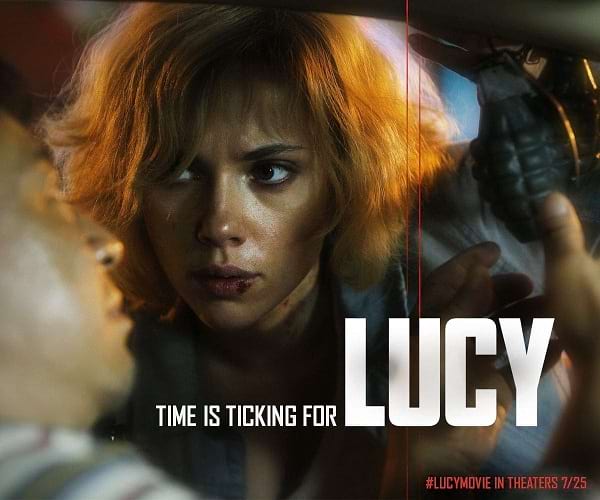
    Luke Bensson wanted to be surprised and is what he said to the ILM movies VFX supervisor of the movie Richard Bluff. In a statement to the Hollywood Reporter, Richard said, “He wanted to be surprised by the work. He wanted to come in and inspire us by the story and the possibility of what we could do. He gave us guidelines, but for the most part, he wanted to remain an audience member. He would ask us to resist the temptation to show things early, until it was at the stage that it was really compelling.” Luke had guidelines for them but for most part, he played the role of the audience. The team did a great job with the visuals overall but the scene where the drug unlocks the full capability of the Scarlett’s character and the strange visuals that accompanied it, were by far the best films of 2014!

    Teenage Mutant Ninja Turtles

    visual effects, ILM

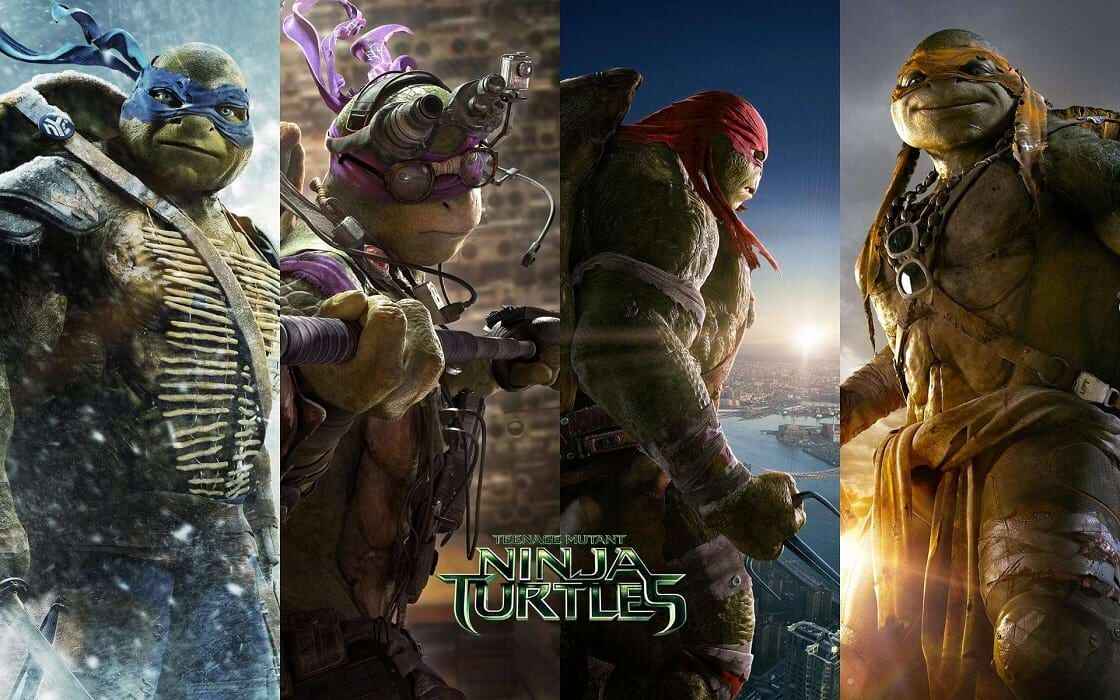
    These characters are legendary. Most of us have grown up reading their comics and watching the cartoons. But the movie and the special effects in it was worth the wait! Especially since the characters looked so realistic! What is the secret behind it? Here is the answer straight from the production notes at cbslocal, “Preparations got underway months before filming — as Alan Ritchson (Raphael), Pete Ploszek (Leonardo), Noel Fisher (Michelangelo), Jeremy Howard (Donatello) and Danny Woodburn (Master Splinter) each underwent complex facial and full-body scans that led to the tailoring of their custom made helmets and mo-cap (motion-capture) suits. Later, on set, the four Turtle actors and Woodburn each went through a daily two-hour long session of applying white facial powder and VFX dots to help further track their expressions. Before the cameras rolled, the four turtle actors would then strap on not only their helmets but a lightweight turtle shell, which added to the realistic physical motion and weight distribution.”

    This dedication to realism made this film one of the best films of 2014, solidifying its place among the ILM movies that pushed the boundaries of visual effects.

    The year 2014 was definitely a great hit for them and with Star Wars: part VIII coming out in 2015, it only seems like 2015 will be better for them!

  • Future of the VFX industry: 6 Predictions for 2015

    VFX industry, predictions for VFX industry


    Whenever we see a new beginning in the horizon, we look for the crystal ball! What does the future hold for us? We just have to know and be prepared!

    However, crystal balls are rather well known for throwing some curve balls that at best make no sense and at worst drive you up a wall. And that is when we go back and rely on the time tested technique of studying the past and making a few educated guesses at what might be in store for us in the future. We did same to figure out what the VFX industry has in store for it in the year 2015, especially with the rapid advancements in virtual film production, and here is what we came up with!

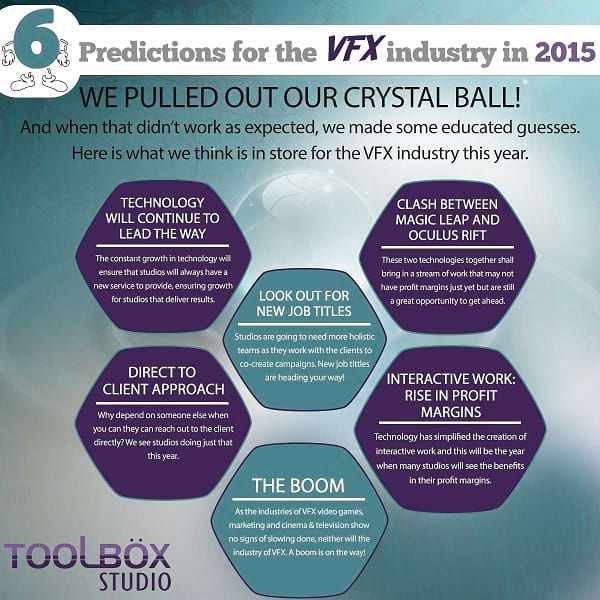
    Our 6 predictions for the VFX industry in 2015

    Technology will continue to lead the way

    There was a time when advances in technology were spread out through decades. Now, at the very least, a few life-altering technological advances are announced each year. This is always good news for any industry that depends on technology for its growth The VFX industry, in particular, thrives on these advancements, constantly evolving with new tools and techniques. There will always be something new for VFX studios to add to their list of services,  from cutting-edge rendering software to the latest breakthroughs in virtual film production. We can predict with almost 100% certainty that growth is guaranteed if you place your studio well and deliver! This constant evolution in the future of the VFX industry ensures that there will never be a time when a professional from this field can say, “I have learned it all!” We foresee every professional revisiting school at least once or twice to stay updated and in the game. And that brings good news for the education industry as well!

    Direct to client approach

    This generation of marketing departments is, of course, digitally savvy. That means no more waiting to hear from an intermediate agency! We see studios reaching out to clients directly. After all, with the digital medium, anything is possible! As the future of VFX continues to evolve, this direct approach will become more common, enabling faster and more efficient collaboration.

    Look out for new job titles

    Technology has a way of creating new avenues. As the future of the future of the VFX industry grows with every step, forward that technology takes and spread across different specialized segments, we see a whole new range of job tittles taking the spotlight. VFX Studios will require professionals with different skill sets to create well-rounded teams. How else can they team up their clients to co-create a campaign  using the latest advancements in virtual film production?

    Clash between Magic Leap and Oculus Rift

    Last year we saw Facebook backing up Magic Leap and Google extending their support to Oculus Rift, both products involved in creating immersive virtual reality.  They are definitely different in how they work but both will need work done that falls right in the lap of the current gaming and CG pipelines. Irrespective of who wins the war between these two products, the VFX industry will definitely benefit. The profit margins may not be great as of yet but will it certainly be a great opportunity for studios to get a head start in shaping the future of VFX.

    Interactive work: Rise in profit margins

    There was a time when creating interactive work in the VFX industry was painstaking. That meant taking on large volumes was tough for even the most advanced VFX studios. But with the way technology has advanced off late, tools that simplify this process, including virtual film production, are now many. That means creating these solutions is now easier. We can’t see anything but growth in profit margins in this segment this year, which is contributing to the future of the VFX industry.

    The boom

    The three industries that predominantly utilise the services of VFX video games, marketing and cinema & television. And these industries today are bigger than ever, only showing signs of continuous and tremendous growth. The obvious conclusion here is that the VFX industry shall also continue to grow with them.  Moreover, advancements like virtual film production are transforming how movies and shows are created, offering exciting new opportunities for artists and technicians. If you are concerned about job opportunities, then don’t be. There are many out there, whether in a VFX studio or freelance projects, but it is up to you to land and keep them! As these sectors expand, the future of VFX looks promising with countless opportunities.

    And that is what we believe is in store for the future of the VFX industry this year!

  • Oscar nominees announced! And the VFX nominees are……

    Oscar nominees announced! And the VFX nominees are……

    It is an exciting time! The Oscar awards are right around the corner, and the nominees for the various categories have just been announced. The contenders in the VFX category showcase the power of high-quality animation. As the demand for top-tier visual effects grows, animated video production services continue to push creative boundaries. How do you think the contenders in the VFX category fared?

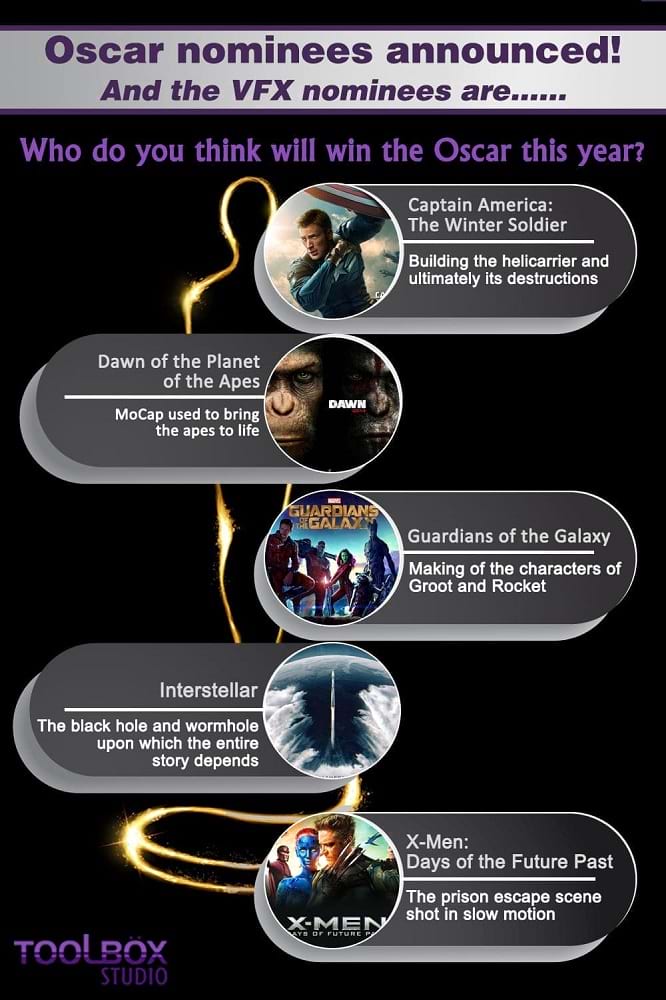
    Contenders who are now the VFX nominees of the Oscars 2015

    Shall we see who made the cut? In no particular order listed below at the movies that remaining standing.

    Captain America: The Winter Soldier

    oscars, visual effects

    As the whole world is threatened again, it falls to Captain America and Black Widow to protect it from the Winter Soldier, a threat that arrived in our present right out of the history books. Of course, the movie and storyline were great, but that is not the only reason it was among the Oscar nominees. While the Winter Soldier posed a significant challenge, the real danger came from the helicarrier—an advanced version of what we saw in The Avengers. Capable of targeting and eliminating millions without even entering Earth’s orbit, its construction and the stunning visual effects played a significant role in securing its nomination. The incredible animated video production services behind the film brought these sequences to life, making the action feel real. V-Ray technology within the dome was crucial in integrating highly complex shots featuring intense battles across the helicarrier.

    Dawn of the Planet of the Apes

    oscars, visual effects

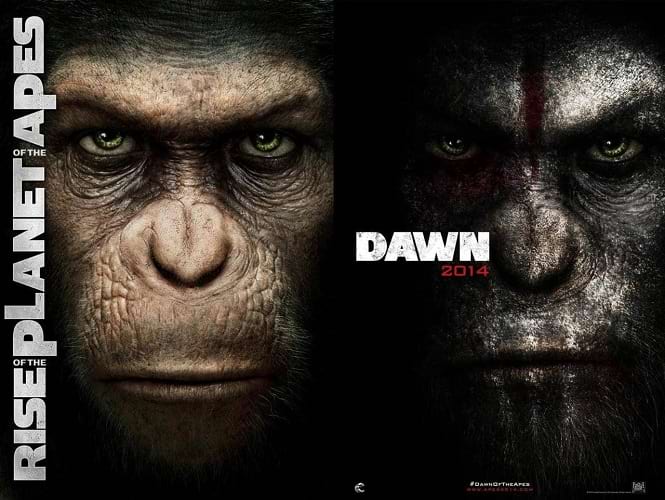
    The Dawn of the Planet of the Apes has a story built with complete knowledge they needed to integrate VFX as the foundation. Incorporating the groundbreaking technique of Motion Capture, or MoCap as we call it, gave the team the time to work on the expressions and facial movements of the apes. The combined brilliance of both effects, along with top-tier animated video production services, is why they stand a chance among the Oscar nominees this year.

    Guardians of the Galaxy

    oscars, visual effects

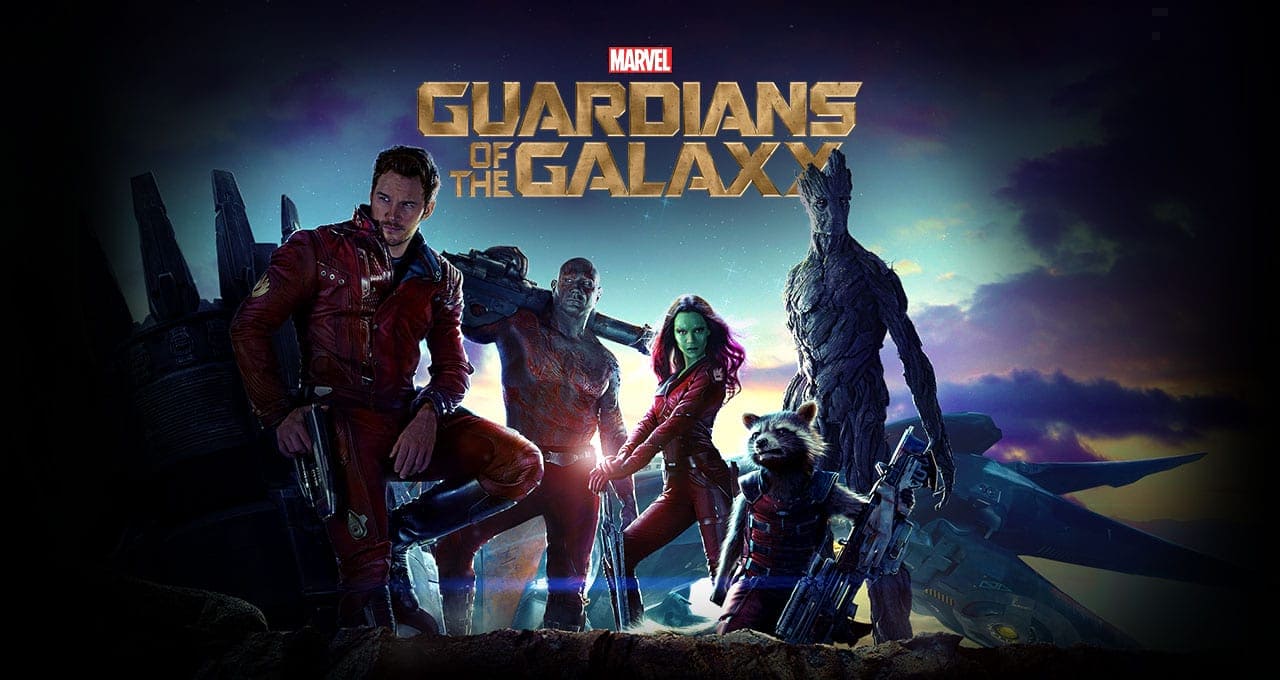
    Groot and Rocket! Need we say more! These two characters, who play a great role in saving the universe from the crazed villain, are a testament to the power of animated video production services. Their lifelike expressions and movements were not the result of makeup but of incredible visual effects. Groot’s tree-like facial features were captured using a mime in a blue body suit and a mask resembling his wooden appearance, later enhanced in post-production to achieve his final look. And a genetically modified raccoon that can talk? Of course, Rocket was built from scratch! The level of realism in their movements was an impressive feat, but what truly made them a hit was their emotional and almost human responses, captivating audiences worldwide. It’s no wonder that films featuring such groundbreaking animation techniques often become Oscar nominees!

    Interstellar

    oscars, visual effects

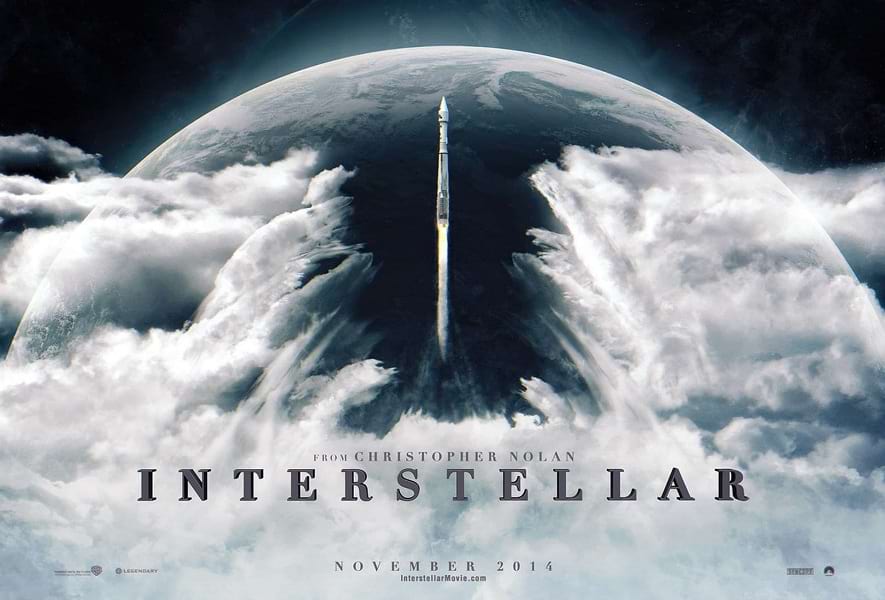
    This movie needs no introduction! The science and depiction of the story are so accurate that they led to a scientific discovery! The awe-inspiring black hole, the wormhole journey, and the breathtaking landscape of the planet they were set to land on—every visual was crafted with stunning precision. The tidal wave scene remains unforgettable, where we all mistook the towering wall of water for mountains. With such groundbreaking visuals, it’s no surprise that Interstellar was among the Oscar nominees. Can anything surpass this masterpiece? We will just have to wait and see!

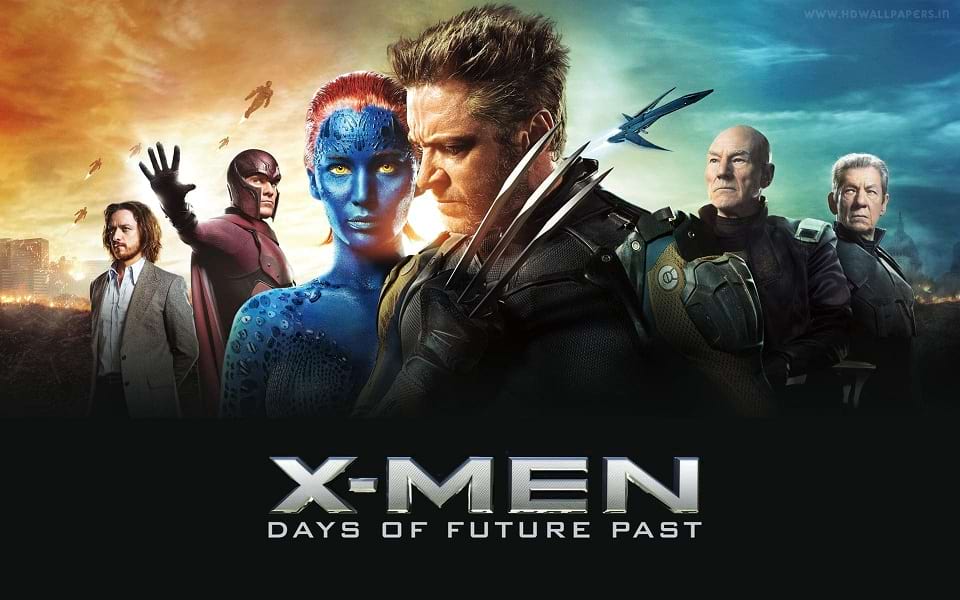
    X-Men: Days of the Future Past

    oscars, visual effects

    And the X-Men franchise lives on! Who doesn’t love this series? Many scenes in this instalment deserve special mention, from intense battles against ruthless aliens to high-stakes action sequences. However, the one scene that stands out is the slow-motion prison break—an absolute triumph in visual storytelling. Achieving that cinematic excellence is no easy feat, especially in animated video production services and effects execution. Yet, the team delivered a visually stunning, humorous, and unforgettable moment.

    And the question that now remains is WHO SHALL CLAIM VICTORY? Tell us whom you would vote for in the comments below!