Category: Film VFX

  • How VFX Is Creating Frenzy in the Web Series Industry

    How VFX Is Creating Frenzy in the Web Series Industry

    Could the next breakout entertainment hit be a web series?
    Maybe. Web-series are emerging as the new age entertainment cult.

    We’ve seen a paradigm shift in content consumption over the past few years. The new age technology has ushered the entertainment industry towards an era of explosive growth, making it one of the fastest growing industries in the world. With the increasing penetration of smartphones and Internet connectivity, it is safe to say that this is the ‘future of digital’. While video streaming is huge on the web, the best VFX web series are now stealing the thunder of conventional modes of entertainment.
    The growth of streaming services has been explosive. They offer diverse shows, including some of the best VFX series, which captivate audiences with stunning visuals and immersive storytelling.
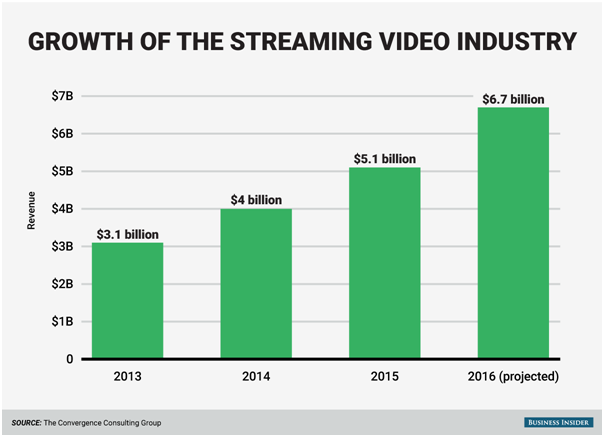
    Bar Graph Image - Streaming Video Industry

    You already know that video streaming is huge on the web these days, but what exactly is a web series?

    You may have seen popular web series like House of Cards, Game of Thrones, Suits, etc. on streaming platforms such as Netflix, Amazon Prime, Hotstar,and many more which are unlike any conventional television series. They are edgy and fresh, with high production values which are only matched with films,  now a rage worldwide. Some of these are the best VFX web series, known for their stunning visual effects. all over the world. In India too, they have made their mark and there are millions of online streaming viewers watching their favourite series all the time. The format breaks free from staid television formats — they have rich content, no censorship issues, and they push the envelope which has never been done on television earlier before. Netflix plans to spend a whopping $6 billion on content in 2017, Meanwhile, Amazon is set to spend $4.5 billion on the video, further contributing to creating some of the best VFX series with jaw-dropping effects. Netflix and Amazon are estimated to pay $10.5 billion in video this year. Unsurprisingly, their aggressive spending highlights their ambition to become the ‘IT’ destination for high-quality videos.

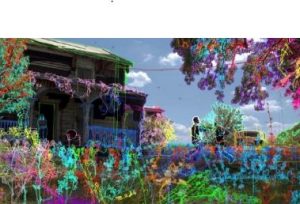
    If these media giants are racing ahead, it is not that far that VFX production houses will join the race. With billions at stake, best of the studios in the industry are keen on making their footprints in the web series industry. Take, for example, Daredevil, now a Netflix series based on the comic book character of the same name and set within the Marvel Cinematic Universe. It follows the fictional character of Matt Murdock (Charlie Cox), a superhero who uses his heightened senses from being blinded as a child to fight crime on the mean streets of New York City’s Hell’s Kitchen as Daredevil. And “Mindhunter” is one of the recent Netflix releases that’s got everyone hooked. It has psychology, mystery, analysis, and it’s based on true events. And because the series is set in 1977, which has different cars and fewer people and buildings than we have now, these shots were altered in postproduction to give the story the 1977 setting. Buildings and trees are added, marks on roads replaced and colors changed to give the series its moody, raw film look – making it one of the best VFX series in recent years.

    All this wouldn’t have been possible if VFX studios hadn’t waved their magic wands. Visuals make or break the story and VFX techniques deliver a cinematic experience like no other. Other than these series, we’ve also seen some outstanding VFX artworks for many web series like Shanara Chronicles, Flash, Supergirl, etc which have created stunning visuals based on VFX. These series are conceptualised depending on the fact that there will be extensive VFX work in post-production, making them some of the best VFX series out there.

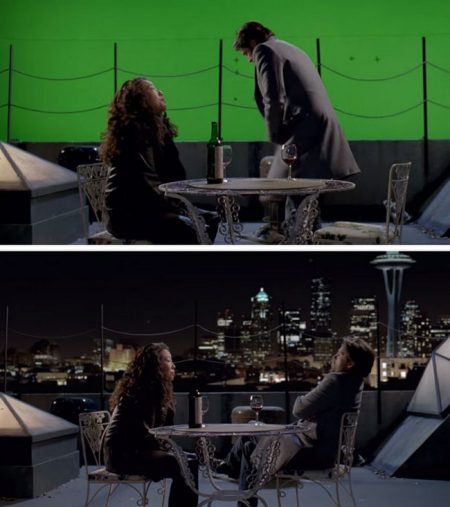
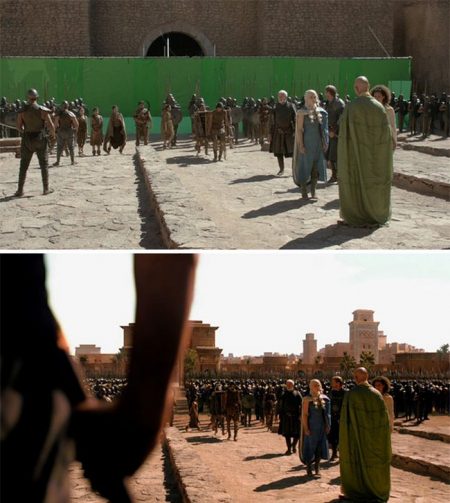
    Visual effects are essential in the production arsenal and are employed when one or more than one of the following situations is to be taken care of:
    • obscuring certain objects
    • create total virtual set up
    • create or change the background
    • add or remove actors or objects
    • project speed changes
    • add or change eye effects
    • build sets that are impossible to be built in real
    • produce set extensions

    These are majorly the key factors that enhance the web series experience and take the content to a new level.It’s now virtually impossible to imagine these web series or television content without the visual effects, since they are at par with films, and the competition to grab the viewers attention is beyond imagination. So without a shadow of a doubt, it is safe to say thatVFX is creating frenzy in the web series industry, one show at a time!
    ToolBox Studio offers state of the art, advanced and the best VFX services in India. Our robust visual effects team andexpertise can bring any idea to life. Whether you’re producing the best VFX web series or working on a blockbuster film, rest assured because we can make the magic happen. With ToolBox Studio’s visual effect experts nothing is impossible in the virtual world.
  • how VFX studios are leveraging it to create younger looking actors

    how VFX studios are leveraging it to create younger looking actors

    The de-ageing process is absolutely fascinating if you get it right or it can be glaringly devastating.

    Flashbacks can be tricky. It’s tough to make an older actor to suddenly transform into a teenager. That is the magic of De-Ageing technique, a process of using CGI to make a person appear much younger than their years. It is a pure genius artwork to be saying the least. Directors used to hire younger actors who looked similar to play the parts but now, thanks to the magic of CGI, the stars can just play themselves and be magically de-aged.

    What is digital de-aging technology?

    Digital de-aging, which uses special effects to make actors appear younger than they are, is a relatively recent phenomenon in Hollywood. Special effects frequently either help or hurt a film. De aging in movies has been trending and has overtaken the film industry.

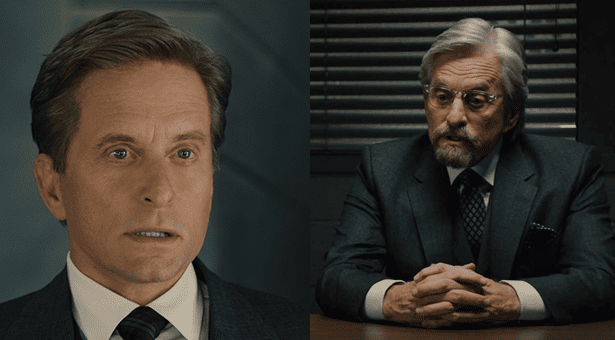
    Hollywood seems hell-bent on de-aging its stars. It’s something that has slowly been creeping its way onto “the reel world” over the years. We first really saw it used in X-Men: The Last Stand back in 2006, but for the first time it really blew people away was in the 2015 Marvel film; Antman.

    In this, we see a flashback of a fresh-faced Michael Douglas angrily resigning from S.H.I.E.L.D. This de-ageing technology is now spreading out to other films and becoming a much more commonly used tool.

    How are actors made to appear younger in flashback scenes?

    De-aging is a visual effects method used in cinema and television to make actors appear younger, particularly in flashback scenes. It is frequently done by digitally altering images or applying overlays or touch-ups using computer-generated imagery (CGI).

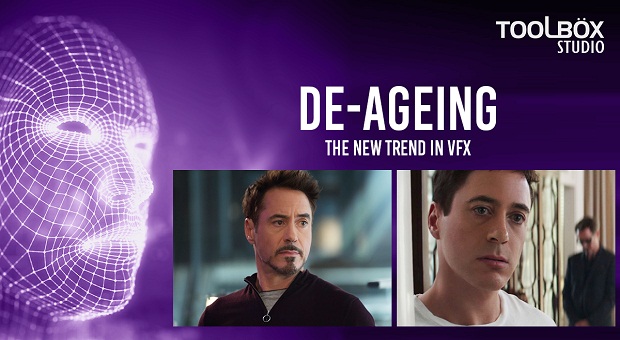
    De-Ageing - The new trend in VFX

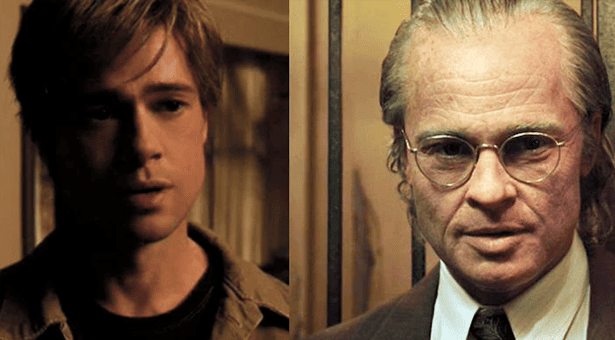
    The industry leader in “beauty work” is Lola Visual Effects; the company that used de-ageing in film, showing an aged Brad Pitt up and down in Benjamin Button and Chris Evans in Captain America. Lola VFX also handled Douglas’ de-aging in Antman, the actual tools haven’t changed, and it’s more that the artists are getting more experienced in doing it. Lola VFX also did the digital de-aging for films such as The Curious Case of Benjamin Button and also put Chris Evan’s head on a small, skinny body in Captain America: The First Avenger.  The most important thing about the de-aging VFX technology was to ensure that no anti-aging makeup was used on the actor because it changes the way the light affects the face. In 2015, Lola worked on 14 films, including The Big Short, Joy, and Mission: Impossible — Rogue Nation. This de-ageing technology does a complete digital dermabrasion which involves removing any age spots or imperfects, and reducing “eye bags,” too.  A technique called “mesh warp” is used to tighten sagging skin or bulging flab, and perform a “digital face-lift” to trim jowls and areas like earlobes and noses that grow larger with age, while meticulously relighting every pixel. Throughout the industry, such work is “completely routine”. Such effects can fix bad wigs, or work like Clearasil.

    Importance of De-aging in movies

    Let’s examine how the film industry has changed due to advances in de-aging technology.

    Improved Realism

    The ability of digital de-aging to produce effects that are far more realistic than those produced by conventional techniques is one of its most evident uses. Filmmakers used prosthetics or makeup in the past to make actors appear older or younger. However, occasionally, this would only sometimes result in the finest outcomes and would not seem genuine.

    Using digital de-aging, filmmakers can produce remarkably accurate effects that are impossible to tell apart from reality. Thanks to this heightened realism, movies may now be made that are more believable and impactful than ever before.

    Better marketability for some actors

    Digital de-aging also has the important virtue of increasing an actor’s marketability. In the past, age was frequently used to typecast actors. However, thanks to digital de-aging, actors can now portray various roles.

    The future of films with VFX de-aging technology

    Thanks to the advancement of de-aging technologies, the film business’s future look spectacular. The potential for filmmakers is endless as long as this de-ageing technology is developed further.

    Many companies involved in creating videos are experimenting with this new de-ageing technology and succeeding in producing some of the most incredible outcomes. Customers benefit from the market’s increased level of compatibility and competition. The film business will likely do some amazing things in the future.

    De-Ageing - The new trend in VFX

    Lola VFX is the post-production house that has delivered this magnificent work for this MCU’s last venture in its Phase 2 theatrical outings. In visual effects, Lola specialises in “visual cosmetics,” ranging from secret touch-ups to complete physical transformations.

    De-aging has an astonishing effect and will only evolve and become more realistic over time. The digital revolution has begun, but there is more to it, and anything is possible. What you will see next will be something you haven’t imagined in your wildest dreams.

  • 5 Amazing VFX Movies That Are Our All-Time Favorites

    5 Amazing VFX Movies That Are Our All-Time Favorites

    Epic Hollywood movies. Hi-octane action sequences. Larger-than-life sets. Incredible stunts. Fantastical backdrops. Peculiar creatures. It all boils down to one thing – VFX. Here’s presenting some of the biggest blockbusters that could attribute a major chunk of their success to awe-inspiring VFX.

    Some fantastic films have come out of the Sci-fi and fantasy genres, heavily relying on visual effects to create a definitive VFX movie-going experience. From aliens to zombies, superheroes, and fictional beasts, VFX movie services create magic, mystique, and movies that last a lifetime.

    The best commercial VFX for movie studios knows how to incorporate these effects so seamlessly into their production that audiences buy into their realism, no matter how outlandish the premise. These VFX movies have inspired millions of filmgoers worldwide, ignited imaginations, and told a story that draws you in and enthralls you with their sheer creativity.

    Of course, over the many decades of films using special effects, some have been better than others and stood the test of time. Today, we are taking on the enormous task of picking the best. We will take a leap of faith, dig deep within the annals of global film history, and pick out the top five examples of torchbearers for excellence in visual effects. So, without further ado, here are our picks for the top five VFX movies based on the quality of visual effects.

    5 of the best VFX movies of all time

    1. Star Wars: Episode V – The Empire Strikes Back

    The sequel to the first-ever sci-fi blockbuster, George Lucas’s masterpiece of a saga paved the way for visual effects since ever since Star Wars: Episode IV – A New Hope hit the big screen in the late 80s. In fact that, any of the original trilogy of films could have made it on to this list for their stellar visual effects that were well and truly above and beyond anything anyone else had done in that era. They kick started this whole trend of big budget franchises that have become common fare today.

    Considering the film had been released in 1980, it didn’t have anywhere near the cutting-edge technology of VFX for movies. In a documentary called Star Wars SP FX: The Empire Strikes Back, Mark Hamill (Luke Skywalker) takes viewers on a behind-the-scenes journey on how the film’s VFX was handled. Not only do you get to see how it all came to be, but the VFX of the era that led up to the making of this film. From stop-motion to puppets and using simple tricks like reversing footage of Hamill throwing his lightsaber to make it appear like he uses the Force to summon it. It is astounding how inventiveness, creativity, and skill were used at a time before computers came along and changed the game.

    You can watch the documentary and enjoy an entertaining history lesson on VFX movies right here.

    2. The Matrix

    From The Wachowski Brothers came a futuristic dystopian alternate reality with mind-bending physics and insane visuals. The VFX movie was a masterpiece in visual effects, the crowning glory of which was bullet time. That iconic scene in the film where the hero, Neo (played by Keanu Reeves) dodges bullets being shot at him in rapid succession and the cameras do a full slow motion 360 around him as the bullets leave trails of disturbances in the air around him. Watch it below.

    The use of time-slice photography and clever CGI resulted in a scene that is so iconic that Warner Bros. copyrighted the term “bullet time” used to describe it.

    The following video gives you a background into the type of live-action/CGI magic that was used to create all the film’s VFX.

    3. Avatar

    James Cameron reached the top of the VFX movie direction food chain with Titanic (1997), but apparently, this, his pet project predates even that commercial blockbuster. The story goes that Cameron had started work on Avatar way back in 1994, but it took until 2009 to release the film that he also wrote, co-produced, and co-edited along with directing it.

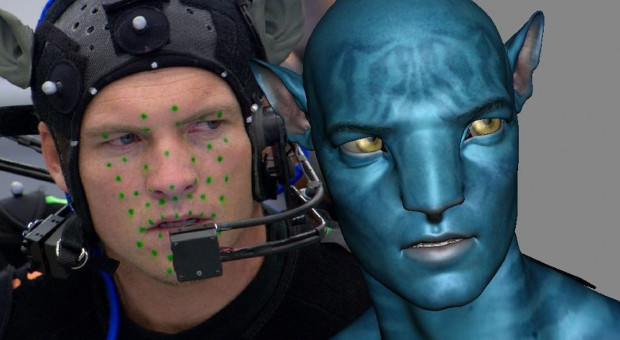
    Motion capture and CGI are the dominating technologies used to bring the fantasy world of Pandora and its inhabitants – the Na’vi to life on the big screen, and the film was made with a budget of anywhere between $230-310 million, a whole and became the highest grossing film of all time when it came out.

    The video below details the journey of the making of Avatar, and another one from the film’s official channel provides more insights into the film’s aforementioned motion-capture efforts.

    4. Jurassic Park

    Legendary director Steven Spielberg created one of the most-loved sci-fi adventure films the world over when he released the 1993 hit Jurassic Park. From John William’s epic score to Jeff Goldblum’s iconic performance, the film is remembered for many things. The one thing it is most remembered for though is its use of CGI (the first ever film to do so).

    However, the film didn’t rely solely on computer generated graphics, because it also used full-sized robotic dinosaurs and stop motion techniques as well. The result – three Academy awards (including best Visual Effects, of course), a film that crossed $1 billion in worldwide takings, and a franchise that spawned three sequels, video games, theme parks and more.

    It also spawned a special behind-the-scenes film produced by none other than The Academy itself. You can watch it below.

    5. Inception

    The Christopher Nolan directed (and written & co-produced) film may have hit theatres in 2010, but Nolan approached film studio Warner Bros way back in 2001 with the concept for the film. It was an idea he had been mulling around for a while, influenced by  VFX movies such as The Matrix, where the world isn’t as real as it appears to be. The result was an absolute mind-bender where people infiltrated dreams and literally bent the laws of physics with their minds.

    Interestingly though, a lot of the film’s effects were live-action rather than CGI, as this excerpt from the film’s IMDb page explains – “In spite of the film’s extensive surreal effects sequences, the majority of visual effects throughout the film, such as the Penrose stairs, rotating hallway, mountain avalanche, and zero-gravity sequences, were created through practical methods, not through the use of computer graphics imagery. The film only has around five hundred visual effects shots, as opposed to most other visual effects epics which can have upwards of 2000 visual effects shots.” The film used miniatures, and for the iconic hallways scene where the Joseph Gordon-Lewitt’s character has an all-out brawl in zero gravity – a real life rotating set.

    According to MTV reports, “To create the environment, the scene was shot using not CG effects, but rather massive, rotating sets that twisted and turned and forced Gordon-Levitt to maneuver with utmost caution. Five-hundred crewmembers were involved in the scene, which took a full three weeks to complete. Nolan’s crew built a series of different hallway settings: a horizontal one that rotated 360 degrees, a vertical one that allowed actors to wear wires and another on which the actors were strapped to steel trolleys, which were eventually erased using visual effects.”

    Watch the behind-the-scenes documentary of the making of this film to learn more.

    So there you have it, the top five films based on visual effects, and the intriguing stories behind how they came to be.

    Featured image source: https://blog.pond5.com/

  • The Jungle Book Takes the VFX Cake at the Oscars 2017

    The Jungle Book Takes the VFX Cake at the Oscars 2017

    What makes a work of art a winner when the competition is a selection of brilliantly-executed masterpieces? The Oscar nominations for Best VFX included the surreal Doctor Strange, Kubo and the Two Strings, the immortal classic The Jungle Book, a stop-motion with a heart, the gripping Deepwater Horizon, and from the revolutionary sci-fi series, Rogue One – A Star Wars Story. Here’s why The Jungle Book took the cake.

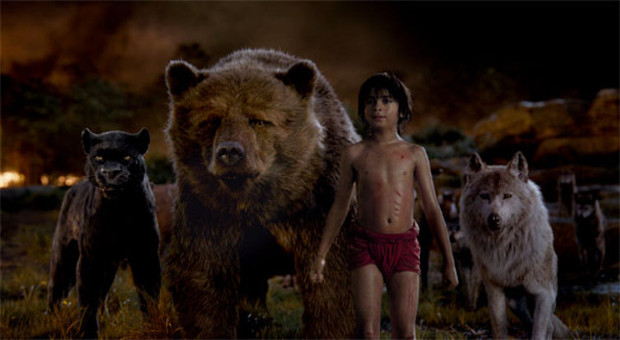
    The magic that Disney’s The Jungle Book created, quite literally, with the most unusual approach towards the visual journey, won the Best VFX award. Rob Legato, Adam Valdez, Andy Jones and Dan Lemmon gracefully accepted the golden statuette much like they accepted the challenge of creating a photorealistic world with talking animals engaging in a gripping adventure with young actor Neel Sethi as Mowgli.

    Watch: The Jungle Book wins the 2017 Oscar for Best Visual Effects

    Director Jon Favreau teamed up with a multinational studio as the lead VFX company for this film. The live-action-esque reimagination of Rudyard Kipling’s fantastic story won the VES Award and the BAFTA 2017, before sweeping the Oscars, possibly for one main reason – the fictional fantasy looks, feels, and lingers in our minds as magic we believe in.

    The seamless collaboration between Favreau, VFX supervisors Rob Legato (think TitanicApollo 13), Dan Lemmon (The Lord of the Rings: The Fellowship of the Ring and The Return of the King), and Adam Valdez (remember Maleficent?) and VFX artist Andrew R. Jones (think Avatar) seems to have pushed the virtual limitations of technology.

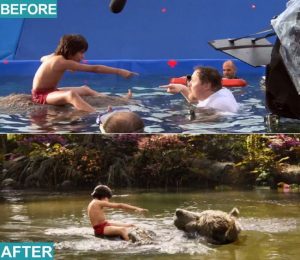
    Shot entirely against a blue screen, young Neel was composited in later, completing the enchanting relationship between orphaned man-cub Mowgli and the rest of the jungle. A cocktail of techniques, including motion capture and real-time blue screen compositing, fulfilled the shoot’s demands for preparation and accuracy.

    blue screen compositing - jungle book
    Source: daily.bhaskar.com


    The Characters of The Jungle Book

    The team studied footage of several different species of wild animals to understand their anatomy better. The artists then analyzed the best way to show emotion through facial features and character movement without losing the ‘real’ feel.

    For instance, the wolves, like dogs, expressed through eyebrow movement while Baloo, the bear, used both his eyebrows and lips to show expression.

    More than 200 unique animals were created for the film. MPC’s proprietary tool, Furtility, handled the complexities of the hair and fur of the animals. The varying movement of fur against wind, or in reaction to other elements like water and ground, has been tediously worked upon with case-specific solutions. The scenes where the animals are in physical contact with Mowgli may have been the trickiest. Some scenes had Sethi playing out the sequence with puppets that were the same color and size as the character sketches.

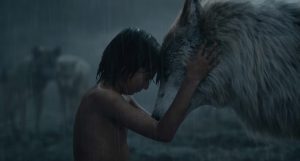
    The puppets were then tracked and replaced with the digital models of the character. At times, parts of Sethi that were in contact with the digital characters were replaced with digital parts. This helped with the consistency in visuals, especially the realism of the fur and hair. The child actor’s arm has been replaced with a digital arm in the scene with Mowgli and Raksha (his wolf mother).

    mowgli and raksha - jungle book
    Source: ohmy.disney.com

    Creating Baloo’s posed a different set of problems – nothing that the fine team of artists couldn’t work out, though! His pale brown colour, long strands of fur, and large composition made it tricky for the character to blend in with the scenes. With great efforts at terrific lighting, the artists presented Baloo’s expressive face with attention to details like the wrinkles on his skin.

    With several hundred strategies executed thoughtfully in the creation of the characters, but the director’s conviction in flawlessly executing an onscreen magic trick was the one philosophy that made the foundation.

    Here is a video that explains how the characters evolved.

    The voice cast that brings this tech wonder to life includes Sir Ben Kingsley, Lupita Nyong’o, and Christopher Walken, Bill Murray, Idris Elba, and Scarlett Johansson.

    The Environment of The Jungle Book

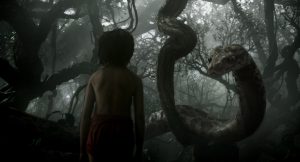
    digitally constructed jungle - jungle book
    Source: ohmy.disney.com

    Here’s a fun fact that sheds light on the grandeur of a digitally-constructed jungle. An average of 19 hours was required to render a single frame! Yes, let’s take a moment to let that sink in. The enormous landscapes and water bodies were designed after rigorous study of over 40 sites in India. Thousands of photographs were carefully assorted to understand texture, natural movement, and the varying effect of light. The photographs functioned as storyboard references for matte paintings or complete sculpted sets. It was vital to ensure that all elements in a single frame would light up together. The evolution of the environment demanded not just multiple technologies, but several different approaches which, only when layered together, perfectly created a photorealistic yet emotionally stimulated jungle.

    The tremendous effort from the entire team of Disney’s The Jungle Book, and their faith in Walt Disney’s philosophy of storytelling, the much-deserved Oscar is only strengthening the studio’s adventures with live-action and visual effects!

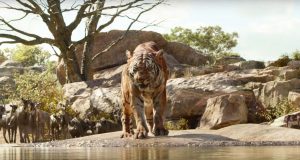
    (We wouldn’t want you to leave without reminding you of this brilliant still from the movie.)


    the jungle book
    Source: ohmy.disney.com
  • Behind the Scenes with the Top 5 VFX Nominees for the Oscars 2017

    Behind the Scenes with the Top 5 VFX Nominees for the Oscars 2017

    The 26th of February is a date that film fans have already marked out on their calendars.

    As the date approaches, the expectations and eagerness are building to a crescendo because this is, of course, the date on which the most prestigious awards ceremony in the film world, the 89th annual Academy Awards, are going to be held. Among the highlights this year are the remarkable Oscar-nominated movies that have captivated audiences worldwide. At Toolbox Studio, a creative setup that delivers delightful visual solutions (VFX, Animation, Commericals, Corporate Films and Motion Graphics) for film, TV and digital platforms, we too have been closely following the race for the much vaunted Best Achievement in Visual Effects category, featuring some incredible works from Oscar nominations for Oscars 2017.

    There have been some amazing motion pictures in the running from the initial list of twenty, a list which has now dwindled down to the top five. Picked by the Academy’s board of governors whose VFX division comprises of Craig Barron whose efforts in VFX for 2009’s The Curious Case of Benjamin Button won him the big prize apart from being attached to a whole host of other big name projects. His contributions have also earned him several Oscar nominations, and his involvement in Oscar-nominated movies has helped shape the landscape of modern cinema.

    He is joined by John Knoll who won the Oscar for Pirates of Caribbean: Dead Man’s Chest, and has been associated with massive projects like Star Wars, Harry Potter and Avatar among countless others in the past. The triumvirate is completed by Bill Taylor who has worked on xXx, Bruce Almighty and 2 Fast 2 Furious to name a few. This celebrated trio have picked through all the many fantastic films that made it to the big screen last year.

    So without further ado, let us take a deep dive into their shortlisted final five:

    1. Deepwater Horizon

    This film is a dramatic reinterpretation of the explosion of the offshore drilling rig by the same name, which occurred in April 2010. The result of this tragic event was a massive oil spill and the destruction of countless animals and sea life. Craig Hammack, Jason Snell, Jason Billington, and Burt Dalton represent the film’s VFX team. The realism of the VFX in this movie was crucial, as it aimed to faithfully depict a real-life disaster. This attention to detail contributed to the film’s widespread recognition, including praise for the VFX team. Deepwater Horizon has also been mentioned among potential Oscar nominations, with the VFX team’s outstanding work drawing significant attention. In this video interview, Dalton goes through the VFX challenges and accomplishments in the movie, shedding light on the effort behind bringing such a monumental event to the big screen. It is a shining example of how Oscar nominated movies can merge reality and cinematic artistry.

    2. Doctor Strange

    Doctor Strange is a superhero movie from Marvel spun around neurosurgeon-turned-sorcerer Stephen Strange played by Benedict Cumberbatch. The film’s representatives for the VFX gong are Stephane Ceretti, Richard Bluff, Vincent Cirelli and Paul Corbould. The movie gained significant recognition in the industry and even received Oscar nominations for its groundbreaking visual effects Here is a great insight into what the films stellar star cast though of the visual effects the team created for it. Doctor Strange is of course based on a comic book, and as such is set in a world where magic, mystique and wonder are all commonplace. The film visual effects have earned rave reviews for managing to capture all of that into what is a project with some amazing aesthetics and fantastic effects.

    3. The Jungle Book

    Disney’s Jungle Book is a live action film based on the popular cartoon of the same name, and of course, Rudyard Kipling’s absolutely classic piece of literature. A tale spun around young ‘man cub’ Mowgli living in the forest with a score of wild animals and villainous tiger Shere Khan chasing him, the movie is a triumph in visual artistry. Not only did it receive critical acclaim, but it also garnered recognition during the Oscar nominations, showcasing its incredible visual effects and direction. The team responsible for this is Robert Legato, Adam Valdez, Andrew R. Jones and Dan Lemmon. Here is a short interview with Director Jon Favreau as he talks about the making of the film and its unique approach.   

    4. Kubo and the Two Strings

    Kubo and the Two Strings is created by Laika Entertainment and Focus, and is a film that stands out in this list for many reason. First, because it is the only completely animated film to be nominated in the VFX category, and the first one to achieve this in over twenty years. The film’s innovative visual effects helped it gain widespread attention, making it a strong contender in the Oscar nominations. It also stands out because it combines both visual storytelling tools – stop motion and computer animation which combine to create a riveting film. Director and Laika CEO Travis Knight spoke to The Hollywood Reporter about the nomination, saying, “It’s shocking, not because I don’t think it’s deserving, but because it required the visual effects branch to look at what we do in a different way. Really, the whole thing is a visual effect. If you go back to the dawn of cinema, stop motion was one of the first visual effects.” Here’s a full length behind the scenes interview with Knight about the making of the movie.

    5. Rogue One: A Star Wars Story

    Part of George Lucas’ epic Star Wars universe, and now under the might of the Disney banner, Rogue One definitely has the chops to be a big winner at the Oscars, particularly in the VFX arena. The sci-fi flick set in a galaxy far, far, away is absolutely astounding and even pulled off the amazing feat of resurrecting legendary actor Peter Cushing and his character Grand Moff Tarkin through digital effects despite his passing in 1994. With its groundbreaking achievements, Rogue One is certainly one of the top Oscar-nominated movies in the VFX category. John Knoll, Mohen Leo, Hal Hickel and Neil Corbould worked on this film. Here is an interview with the film’s Creature Effects supervisor Neal Scanlan on the making of Rogue One, which has made waves among those expecting Oscar nominations in the technical fields.

    What a phenomenal mix of visually captivating movies, including some of the most impressive Oscar nominated movies, and we can’t wait for when the final result of the Oscar nominations is announced. Whoever bags the big prize will definitely be worthy, because all these films are a master class in VFX.

    Who do you think will come out of the ceremony holding that fabled statue? Let us know in the comments below.

  • Take Your Pick: 5 Top Contenders for the VFX Oscars 2017

    Take Your Pick: 5 Top Contenders for the VFX Oscars 2017

    The 89th iteration of the Academy Awards – Academy of Motion Pictures Arts and Sciences, more commonly known as the Oscars, is due to be held on the 26th of February 2017 and the anticipation regarding who bags the big prizes is already heating up across the globe. Widely considered the biggest awards ceremony for films across the world, the Oscars do generate a lot of buzz and are highly revered by not just the American film industry, but the film fraternity the world over.

    Being a part of the visual effects industry, the team here at Toolbox Studio, a VFX studio in India, has been waiting with eager anticipation to see who the Academy’s board of governors – whose visual effects branch comprises of three stellar constituents of the VFX industry in Craig Barron, John Knoll, and Bill Taylor – would pick for the coveted VFX award; Best Visual Effects in the 2017 Oscars.

    On the 2nd of December, the board of governors announced their 20 film shortlist that is in contention for the award, a list they will further whittle down to 10 before the awards ceremony. The list in full comprises of some of the biggest hits of the 2016 calendar year, and we’ve listed them below for your consideration.

     The 20 film shortlist for the 2017 Oscars

    • Alice through the Looking Glass
    • Arrival
    • The BFG
    • Batman v Superman: Dawn of Justice
    • Captain America: Civil War
    • Deadpool
    • Deepwater Horizon
    • Doctor Strange
    • Fantastic Beasts and Where to Find Them
    • Independence Day: Resurgence
    • The Jungle Book
    • Kubo and the Two Strings
    • Miss Peregrine’s Home for Peculiar Children
    • Passengers
    • Rogue One: A Star Wars Story
    • Star Trek Beyond
    • Suicide Squad
    • Sully
    • Warcraft
    • X-Men: Apocalypse

    Going through this shortlist, it is evident that the choice for best visual effects is not an easy one all, because there are some absolutely astounding contenders in this particular ring, and Messrs Barron, Knoll, and Taylor definitely have an arduous task ahead of them.

    However, we have gone ahead and made our own five-film shortlist that we think are the top contenders for the award.

    Our list of top five contenders for the 2017 Oscar for Best Visual Effects

    1. The Jungle Book

    Jon Favreau’s 2016 adaptation of Rudyard Kipling’s seminal literary masterpiece, this film essentially used CGI to create all characters but for the main lead, the young jungle-bred orphan Mowgli – played by Neel Sethi, who spent all his time in front of a green screen. With the might of Walt Disney Pictures behind the project and an array of superstars lending their voices to the iconic characters such as Ben Kingsley, Scarlett Johansson, Idris Alba and Bill Murray but to name a few, the film has been a global hit. Despite the stellar cast, and the amazing story that the film drew inspiration from, the visual effects have been the one of the major cornerstones for its success. As such, we can expect the Jungle Book to be right up there or thereabouts for sure.

    2. Captain America: Civil War

    Civil War is one of two films from the list that operate within the Marvel Cinematic Universe or MCU along with Doctor Strange (Deadpool and X-Men: Apocalypse are also based on Marvel Comics but aren’t part of the MCU, at least not yet). Another hugely successful global blockbuster, Civil War cleverly marries VFX with live action in an almost imperceptible blend. This, and that explosive Airport fight sequence are enough to put Civil War firmly in the running for the award.

    3. Warcraft

    If you are into videogames then Warcraft is something you will have at least come across, if not actively played. So when Duncan Jones took on this behemoth of the gaming world and attempted to turn it into a film, eyebrows were raised. The end result was the highest grossing video game adaptation of all time, and a triumph in visual effects. In fact, despite the film underperforming at the box office, the visual effects were lauded by both critics and viewers, with the plot being the reason cited for the movie’s tepid performance at the box office.

    4. Doctor Strange

    The movie with some of the most glitzy and flashy effects on the list, owing to Doctor Strange’s unique set of powers including the creation of mandalas of light, portals for teleportation, time-travel, and flight all require a lot of effects to look good. And they do! The film has been largely well received, and the effects are a visual spectacle and have been appreciated as such by critics and fans. Doctor Strange will definitely challenge for top billing come February at the Oscars.

    5. Fantastic Beasts and Where to Find Them

    A part of another massively popular cinematic universe, this one belonging to the world of Harry Potter, Fantastic Beasts is set seven or eight decades before the Harry Potter era. Marking the debut of author JK Rowling in the role of screenplay writer, this film is the first of a five-instalment franchise. As the name suggests, there are some amazing ethereal animals on show, and like Harry Potter, since this world is based around witches and wizards, there is a lot of VFX enhanced magic on show as well. With the biggest box office opening of 2016 (ahead of Civil War and Batman v Superman: Dawn of Justice), this movie has had tongues wagging for the beauty and intricacy and magnificence of the magical elements and beasts on show, and as such makes a strong case for the VFX award at the Oscars.

    Do you agree with our list? Which film and VFX Studio do you think will take home the big award? Let us know in the comments section below!

  • Looking Back at the Impact of Brexit on the VFX Market in the UK

    Looking Back at the Impact of Brexit on the VFX Market in the UK

    For those of you who haven’t been following big global news that shook the world, #Brexit happened.

    ‘Brexit’, as it has become known on news, social media and everywhere else, is the decision of the UK to leave the European Union. This landmark decision was taken off the back of a nationwide referendum that ended with 52% of the UK’s populace who voted to leave the European Union and all the benefits and pitfalls that go with. The UK chose to stop being a part of that economically motivated political coming together of 28 member states in Europe way back in June 2016.

    There has been a lot of speculation regarding the potential fall-out of this momentous choice, and a lot of it is conflicting. For example, The Week reports on one hand that “One million EU nationals ‘risk deportation’ after Brexit,” and on the other hand the same publication carries another story, no later than two days after the earlier one with the headline “Brexit ‘may never happen’, claims Polish foreign minister.”

    Furthermore, there is even ambiguity about how much time it will take for Brexit to come in effect, currently Britain are still a part of the European union. The actual split is expected to come to fruition in the next 3-5 years based on various reports. What is undeniable is that whenever it does finally happen Brexit will definitely have an impact on all aspect of economy and politics in the UK. The UK’s extensive VFX industry will also be affected by the nation’s choice to leave the EU, as will the entertainment industry as a whole.

     Restrictions on movement of labour

    One of the biggest advantages that the UK will forego after bowing out from the EU is the free, unrestricted movement of labour among the EU states. Despite noises coming out from political circles in the UK that claim that a deal will be worked out with the EU regarding this, and that the ramifications won’t be as harsh as people are making them out to be, there is no denying that there will be an increase in the restriction of movement for the citizens of the UK to the rest of the EU, after all, you can’t have your cake and eat it, too.

    This will definitely affect the visual effects industry. The fluidity with which studios from the UK and Europe current collaborate will take a severe hit. These collaborations help diversify the workforce on large projects and boost the ability for studios to meet deadlines, and will definitely be affected by this move. Furthermore, even the movement of UK-based VFX talent will take a hit. Today, talented VFX artists are engaged by big European firms to fly over and contribute to projects, but in the future, the increased levels of bureaucracy and potential increase in expenditure incurred to make a move like this might just dissuade them from doing so.

    Devaluation of currency

    The devaluation of the Pound has already begun, and financial experts expect it to stay at this lower value level for a long time to come. The actual split will cause even more financial instability, however, the actual loss of value of the pound could work in the favour of UK based studios.

    The lower value of the pound could make these studios an attractive proposition for overseas producers from the US, for example, in terms of investment and the value they would receive on the favourable exchange rate. This could present new opportunities for the VFX market, making the industry more competitive on a global scale.

    Funding and European Regional Development Fund

    The ERDF and other such funding tools have been set up by the EU to help develop certain regions of the union that are falling back economically, and allow small and medium companies access to greater amounts of financing for future ventures.

    Post Brexit, video production company UK and film productions will no longer be allowed to access these funds and swell their coffers. This will lead to lower investment and less expansive contracts for VFX artists and companies in the UK.

    Removal of restrictions for other subsidies

    There are restrictions on subsidies companies from member nations of the EU can offer to clients from outsider countries as of today. Studios from Hollywood for example will always look out for these subsides so that they have a positive effect on their film budgets, but with the restrictions on these subsidies, VFX companies UK do lose out on contracts. Furthermore, the EU currently reviews subsidies offered on film projects every few years, something that will not be an issue post Brexit.

    At Toolbox Studio, an Animation and VFX studio in India, we believe that Brexit will have a palpable impact on the VFX market in the UK. Only time will tell whether that impact will be positive or negative overall. The video production industry in the UK stands to experience both gains and losses as a result of this shift, influencing how video production companies in the UK operate in the evolving landscape.

  • Toolbox Studio – An Inside Look Into Our Rotoscopy Offering

    Toolbox Studio – An Inside Look Into Our Rotoscopy Offering

    Rotoscopy is one of the VFX service subsets that Toolbox Studio specialises in.

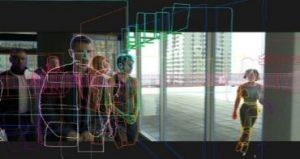
    Rotoscopy is a process wherein the artist traces over the footage of live action movements, frame by frame, in order to recreate realistic movements. These frames can later be merged with any background. The skill and effort involved in rotoscopy, despite all the available technology and software, is very intricate and requires artists who are professionally trained and highly skilled.

    We, at Toolbox Studio, take pride in our ability to make our rotoscopy services more cost effective for our clients.

    Here’s a behind-the-scenes look into our offering:

    Our Team

    At Toolbox Studio, we have a rotoscopy team of 30 highly skilled and professionally trained roto and paint artists who work in 2 shifts. This makes it possible for us to be able to deliver high quality work within a tight deadline. Our team can easily be adapted into 3 shifts whenever required.

    The team’s core expertise lies in the following rotoscopy software packages:

    • Silhouette
    • Mocha
    • Nuke

    To give you an idea of the skill and expertise of our rotoscopy capabilities, here is a quick snapshot of some popular movies that we have worked on:300

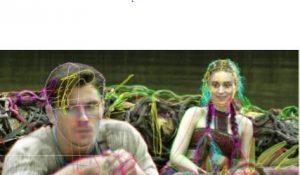
    jupiter-ascending

    maleficent

    Our Workflow

    We are dedicated to giving you the best possible quality and we keep working on our projects until our clients are completely satisfied with the outcome.

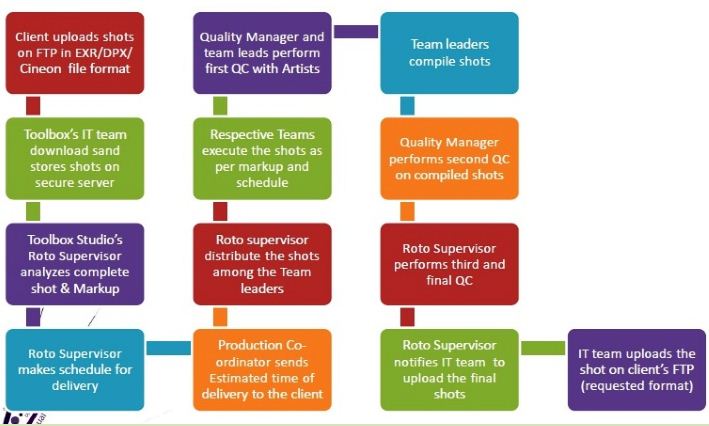
    Take a look at this flowchart to gain a little insight into how our team works.

    As you can see from the chart, we have a well-oiled system that assures topnotch quality and timely deliveries every time. Because we understand that as a video production company, meeting deadlines is always the first priority for us.

    workflow

    What We Offer

    Every client outsources their work based on 4 main elements:

    1. Quality
    2. Adaptability
    3. Pricing
    4. Turnaround time

    Based on these elements, we have broken down our services into three categories in relation to complexity: high, medium and low.

    Low Complexitylow-complexity

    Low complexity projects involve minimal movement and few bodies with less intricate tracing. Because these projects are relatively easier we can deliver between 100 and 110 frames per week, per artist.

    Medium Complexity

    medium-complexity

    Medium complexity projects have more bodies and more moving parts as compared to low complexity projects. We can deliver 55-65 frames per week, per artist.

    High Complexity

    high-complexity

    High complexity projects involve a lot of bodies, many moving parts and very intricate and complicated tracing on the part of the artist. Because these projects require great attention to detail and very fine handwork, we can deliver between 25 and 35 frames per week, per artist.

    Our Promise

    As mentioned earlier, we pride ourselves in being able to provide competitive pricing. We sit with our clients and based on the complexity of the project, we always manage to work out an average cost per frame.

    In a motion picture or video production process, providing top quality and meeting deadlines are always the highest priorities. At Toolbox Studio, we do not just want to meet the expectations of our clients but strive to exceed them every single time.

    Partner with Us!

    We’ve earned ourselves a reputation of being a leading integrated media services company. Production houses and VFX agencies from all over the world rely on Toolbox Studio because our portfolio is laced with stellar past projects that we’ve delivered our roto services to!

    Call us at +91 20 46607590 or write to us at enquiry@toolbox-studio.com to know how we can help you with your rotoscopy needs.

  • Welcome to the Age of Web Series & Cutting-Edge VFX

    Welcome to the Age of Web Series & Cutting-Edge VFX

    In today’s media-dominated era, almost everything has moved from the real world to a virtual, online one. The main driving force behind this switch is of course, convenience. It is more convenient to buy groceries online than to go to a large, crowded supermarket, walk around looking for things you need and then stand in line for ten minutes waiting to be billed.

    Similarly, entertainment has moved online as well. People are slowly switching to Netflix and Hulu rather than renewing their cable subscription. Television series are now being released online before they are aired on TV. In fact, most shows aren’t even aired on TV anymore. They are available exclusively online. This is the age of the best online web series, with viewers favoring platforms where they can binge-watch at their convenience!

    What Makes Web Series Popular

    There are a lot of factors that are causing web series to gain popularity. Some elements are contained within the series, while others have nothing to do with it! Let us take a look at the few most common factors that make the best online web series so popular:

    1. Content

    A web series’s premise and subject matter usually make it popular with the crowd. The premise is generally something unusual yet relatable. Furthermore, the web series should have a good amount of graphic content, a trend. True Detective, Hannibal, and Game of Thrones are some well-known examples of web series with gruesome content.

    (Source: indiatimes.com)
    Source: indiatimes.com

    2. Censorship, Or Lack Thereof

    Web series are not ‘produced’ through a traditional production house. Thus, they are not subject to censorship, allowing for a more realistic, uncut, and relatable series. Since these series can essentially be uploaded online by anyone, there is no liability; hence, the videos’ content can include anything. As scary as this sounds, this very quality will attract most viewers. The best online web series often gain popularity because they push boundaries and showcase content that traditional platforms may avoid.

    (Source: indiatimes.com)
    Source: indiatimes.com

    3. Visual Effects

    Visual effects, better known as VFX, are the 3rd largest reason for a popular web series. Think about it – have you seen the visual effects used in Game of Thrones? The dragons, the white walkers, the Dire Wolves and everything else! The sheer intensity and vastness of the Wall can only be portrayed through stellar VFX services. The images that the Red Woman sees in the flames are nothing but VFX craftsmanship. In short, a web series with high-quality VFX is sure to gain popularity.

    (Source: doublemesh.com)
    Source: doublemesh.com

    4. Convenience

    As mentioned earlier, common folk will also choose an option that is more convenient, even when it comes to entertainment. Would you prefer kicking back in your sweats and sitting at home on the couch with a large bowl of popcorn watching the season finale of GoT or would you rather dress up, drag yourself out of the house, drive to a crowded cinema, stand in line for an over-priced movie ticket and sit in a cramped, funky smelling, kind of damp seat for 2 hours? You get the point. It is simply more convenient to stream the latest episode of your favorite show or one of the best online web series on your laptop than go out to a movie, even if someone else is paying!

    (Source: sploid.gizmodo.com)
    Source: sploid.gizmodo.com

    Toolbox Studio is a professional visual effects studio outfit that can create a mighty impressive video with top-notch visuals and help you make and produce your own idea for a web series in a fun and unique way.

    We are experts in pre-visualization, rotoscopy, visual effects, compositing and green screen extraction both with live action as well as animated videos. Additionally, we offer services that help you add value to your existing videos and advertisements.

    We are dedicated to bringing your ideas to life through well-directed and thoroughly planned videos that will get you some attention from people across the web.

  • Indian VFX Artists Making Hollywood Films Happen

    Indian VFX Artists Making Hollywood Films Happen

    Here’s a trivia – let’s see if you can solve it. What do Hollywood blockbusters like Shrek, Gravity, AvatarMaleficent, How to Train Your Dragon, and Interstellar have in common? If you haven’t cracked it yet, let us not keep you in suspense anymore. All these movies and many more have visual effects artists and animators from India.

    Yes, famous VFX artists in India and animators are in huge demand in Hollywood.

    More and more Hollywood studios are turning to the vast pool of young specialists in India to work on the visual effects of their movies. The gravity-defying, awe-inspiring sequences that seem to explode on screen are actually created halfway across the world in a studio in Mumbai, Bengaluru, Hyderabad, or Chennai.

    Impressive body of work

    If your heart almost jumped out of your mouth when James Bond skydive from a plane or skied on dangerously tall mountains in Skyfall, you have a group of Indian visual effects artists to thank (or blame)! It was a large team of special effects artists in Bangalore that worked on these jaw-dropping sequences in the 007 film.

    James Bond VFX                                                                              Source: http://www.awn.com/

    Similarly, if you were left wondering how could a tiger actually be sitting on a boy’s lap while watching Life of Pi, the sequence was created using special effects in a studio here in India. The film, in fact, was replete with many such awe-inspiring visual effects for which it deservedly won the Oscars. As many as 200 scenes from mega blockbuster Avatar were worked on by an Indian VFX company.

    Lifeboat                                                                         Source: https://www.fxguide.com

    Next time you watch the insanely popular television series Game of Thrones and say to yourself, “Man, those dragons look realistic,” know that these fire-breathing creatures were brought to life by one of the many Indian VFX companies.

    The point we are trying to make is that India is emerging as the undisputed leader of the animation and visual effects industry. According to data shared by a FICCI-KPMG report on the country’s media and entertainment industry, India’s animation industry generated a whopping Rs 4,490 crore in revenue in 2014 – an increase of 13% from the previous year.

    If you thought that was good news, wait till you hear this. The industry is all set to double in size to Rs 9,550 crore within five years.

    Change in trend 

    Post production work coming to India is actually nothing new. In the past, most of the post production work for Hollywood movies used to be done at studios in LA. While they got the good stuff (read primary shots), studios in India used to get the leftovers (read secondary shots).

    However, things have changed considerably over the last few years. Indian studios are now being entrusted with creating visual effects for important shots. It’s not entirely uncommon for them to receive the entire visual effects work for a film either.

    Another change in trend is the presence of Western animation and visual effects artists in Indian post production companies as opposed to earlier when mostly experts from India used to travel to Hollywood to work in their studios.

    According to an Animation Xpress article published earlier this year, India has nearly 300 animation, 40 VFX and 85 game development studios with more than 15,000 professionals working for them and Hollywood is knocking on their doors.

    The cost factor 

    Cost is a huge factor driving this trend. The low labour cost India has driven many cost-conscious Hollywood studios to outsource the expensive digital effects work to companies here.  Experts suggest that labor costs in India are one-10thof what they are in Hollywood.

    But cost alone is not the only reason why Hollywood studios are shifting their visual effects work to the country. In India, they have found an immensely talented pool of computer and graphic experts who are well versed with the Western culture and way of life, speak fluent English, and have done some amazing and award-winning work in the past.

    So, while there is a definite cost advantage of working with Indian post production companies for Hollywood, there is also an assurance that the skilled artists in the country would produce highest quality results.

    Range of work 

    The digital effects work coming to India ranges from the really creative and powerful to more labor-intensive and mundane tasks.  While on the surface, a certain task may look superior to the other, both are equally important in the final outcome.

    So, for every Indian company that wins an Oscar and worldwide recognition for its visual effects work, there’s another one that is quietly performing low-key tasks like wire removal, rotoscope, keying and like wire removal, rotoscope, keying and match moving wire removal, rotoscope, keying, etc. in a studio somewhere in the country. in a studio somewhere in the country.  But both are contributing to a film in their own way.

    In conclusion, next time you see James Bond perform a gravity-defying stunt, a tiger sharing a boat with a boy, or a man trapped in another dimension, don’t forget to wonder if it’s a couple of Indian VFX companies or technicians/artists at work!